Breaking · Defence technology
Ukraine just bombed Russian bombers deep inside Russia again
3 hours ago · 29 October 2026Share
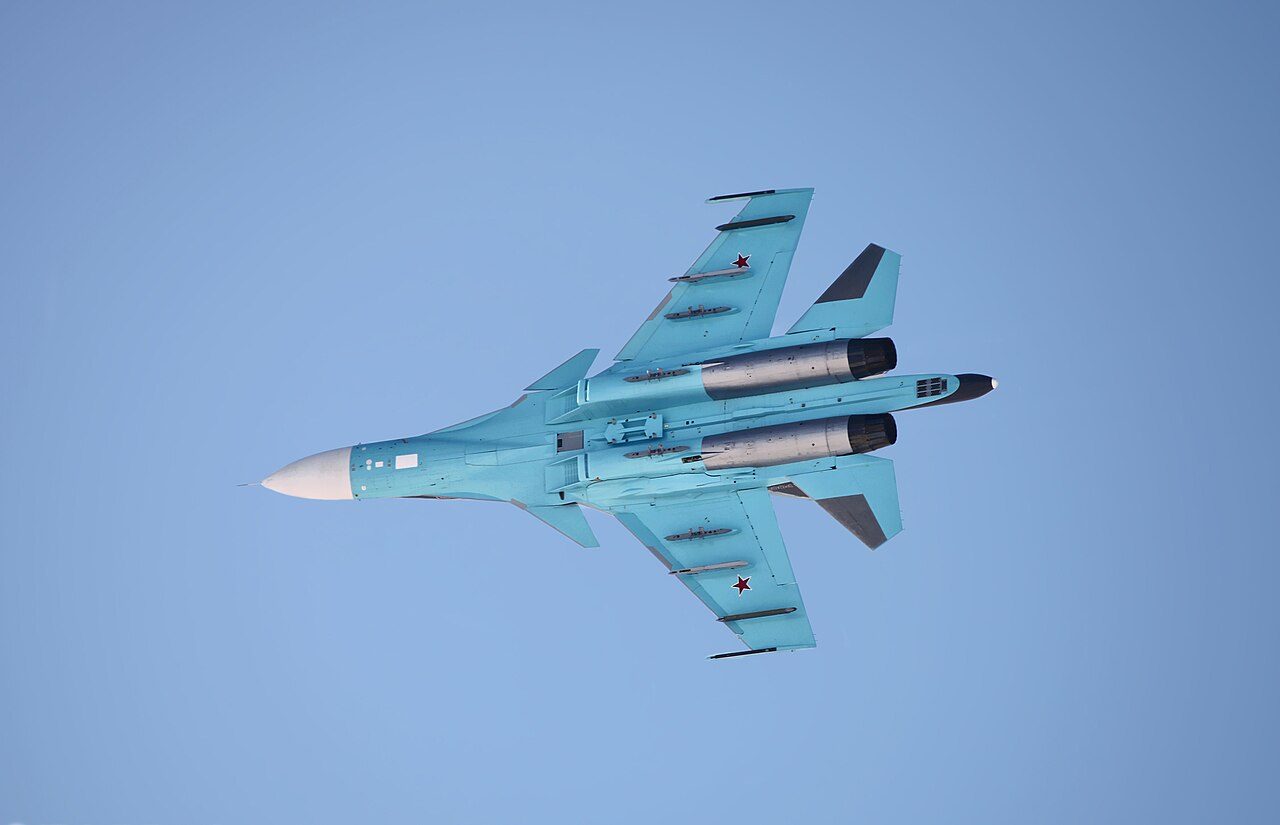
Ukraine's Navy says it has just blown up two Russian Su-34 fighter-bomber jets.
The target was Marinovka airfield in Russia's Volgograd region. That's more than 400 kilometres inside Russia.
The weapon was Ukraine's own Neptune missile. The jets belonged to Russia's 11th Mixed Aviation Regiment.
There's no video from Ukraine, and nobody outside Ukraine has confirmed it yet. But a Russian-leaning Telegram channel reported the same two jets lost. And NASA's satellite fire system picked up a fire at the airfield overnight.
Russian channels say two soldiers were killed and two wounded there. Ukraine hasn't confirmed that part. Russia's government has said nothing at all.
That's everything we know.
The rest of this story is for members.
Comments
None yetAlready a member? Log in.