America just sent Iran a secret letter and Trump is weighing new strikes
1 hour ago · 29 October 2026Share
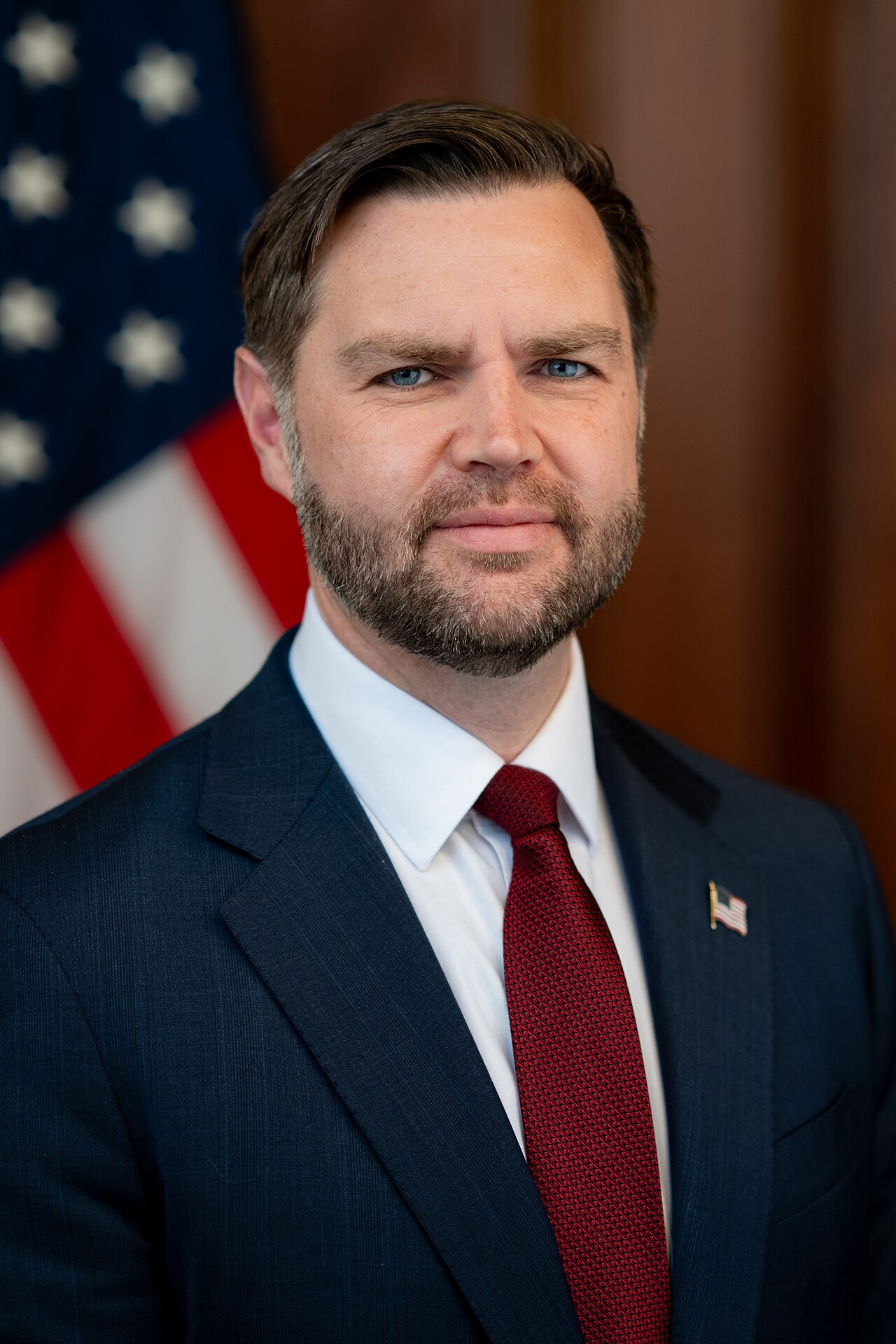
Vice President JD Vance stands for portrait in Vice President's ceremonial office at the White House. File photo. Emily J. Higgins · Public domain
JD Vance just sent a letter to one of Iran's most powerful men.
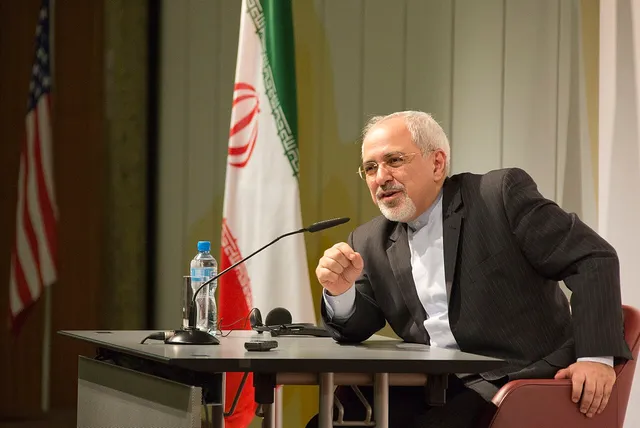
His name is Mohsen Rezaei. He runs Iran's Supreme National Security Council. And he has a direct line to Mojtaba Khamenei, Iran's Supreme Leader.
So this letter was always going to the top.
The message inside it was simple. Any talks to stop a possible US strike would have to include Iran's nuclear programme.
The Wall Street Journal broke this story a few hours ago, citing US officials and people close to it. Axios, the Jerusalem Post and several other outlets have since backed it up.
And here's where it gets strange.
Vance says Donald Trump was "enthusiastic about" the letter. One source told Investinglive it was sent on Trump's direction, and that Trump knew about it the whole time.
Then, a few hours later, Trump stood in front of reporters at Joint Base Andrews and said something completely different.
He said the letter wasn't about nuclear talks at all. He said it was about medical supplies.
Trump says quote "Iran needs help with medical supplies".
So the vice president says nuclear talks. The president says medicine. Same letter, same day, two different stories.
Nobody will say exactly when the letter was sent. A US official wouldn't give a date. And Iran hasn't said anything back yet.
So why now? Because Trump is weighing new strikes on Iran.
US and Israeli military officials have already drawn up plans for another round of attacks. The New York Times has reported they could start after the midterm elections on 3 November.
The officials who spoke to the Wall Street Journal say that's the whole point of the letter. Test whether there's enough common ground to talk Trump out of a short, sharp strike in the coming weeks.
Some US officials think there's a real opening here.
The rest of this story is for members.
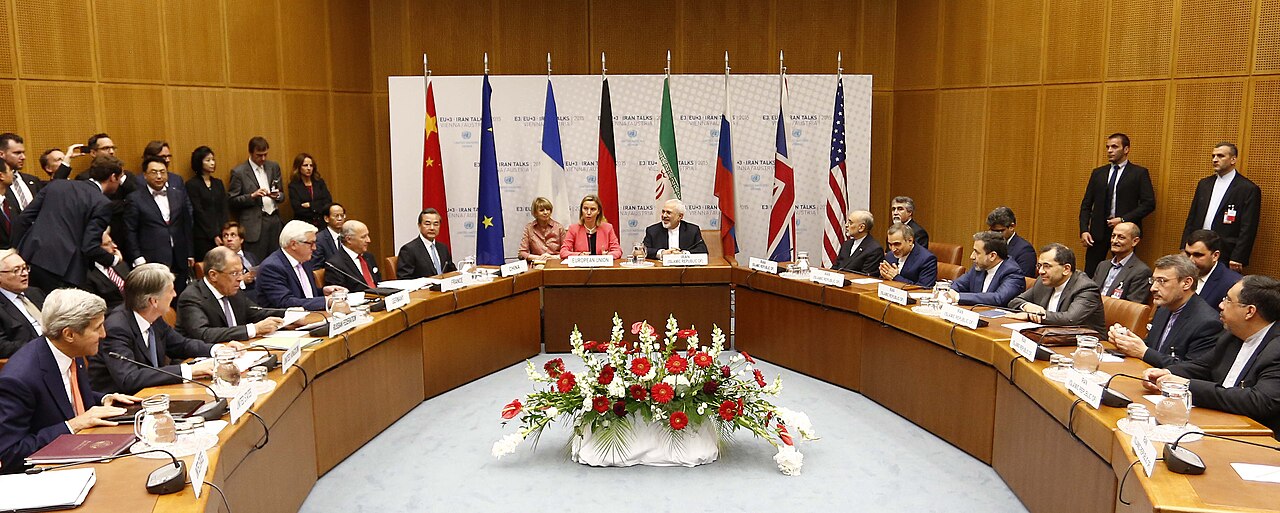
Iran nuclear deal: agreement in Vienna. File photo. Bundesministerium für Europa, Integration und Äusseres · CC BY 2.0
Iran's hard-liners have grown more powerful since US and Israeli strikes killed senior regime figures when this war started. And these officials think going straight to those hard-liners, instead of the usual channels, might actually get somewhere.
Because the usual channels haven't worked.
A deal between the US and Iran in June fell apart within two weeks. The argument was over reopening shipping through the Strait of Hormuz. Talks through Qatar and Pakistan are still stuck. Washington wants nuclear concessions first. Tehran wants economic relief first. And a US blockade on Iranian ports is still running.
Rezaei himself hasn't sounded like someone ready to deal.
Last week he said Tehran won't negotiate until its core demands are met. Earlier this month he warned Iran could hit the UAE, along with data centres and internet cables across the region, if the war spreads.
But there are other signs too.
Rezaei met security chiefs from Saudi Arabia, Pakistan and Turkey in Tehran this week. The Jerusalem Post calls it the first time Iran has sat down with all three at once.
Abbas Araghchi, Iran's Foreign Minister, says Iran will not give up its sovereign rights despite pressure and threats — but that Iran is still giving diplomacy a chance while its military stays ready.
There's also a separate row over the Strait of Hormuz itself. Iranian media reported commercial ships hitting sea mines there. CENTCOM says that's not true, and that every main shipping route through the strait has been cleared.
And here's one more thread in this. The Wall Street Journal reports that Vance has publicly backed military action against Iran, but has privately raised doubts about dragging the war out.
Trump has told the campaign trail he expects a return to war. And in public, he keeps saying Washington isn't negotiating with Iran at all.
So right now, one government is sending two messages.
A vice president's letter, raising the nuclear question directly with a man who answers to Iran's Supreme Leader.
And a president, standing in front of cameras, calling the whole thing a medical supply run.
Iran hasn't said which version it believes either.
Nothing here was paid for by an advertiser. Members are the entire business model. Bronze is where it starts, and it opens the last seven days in full.