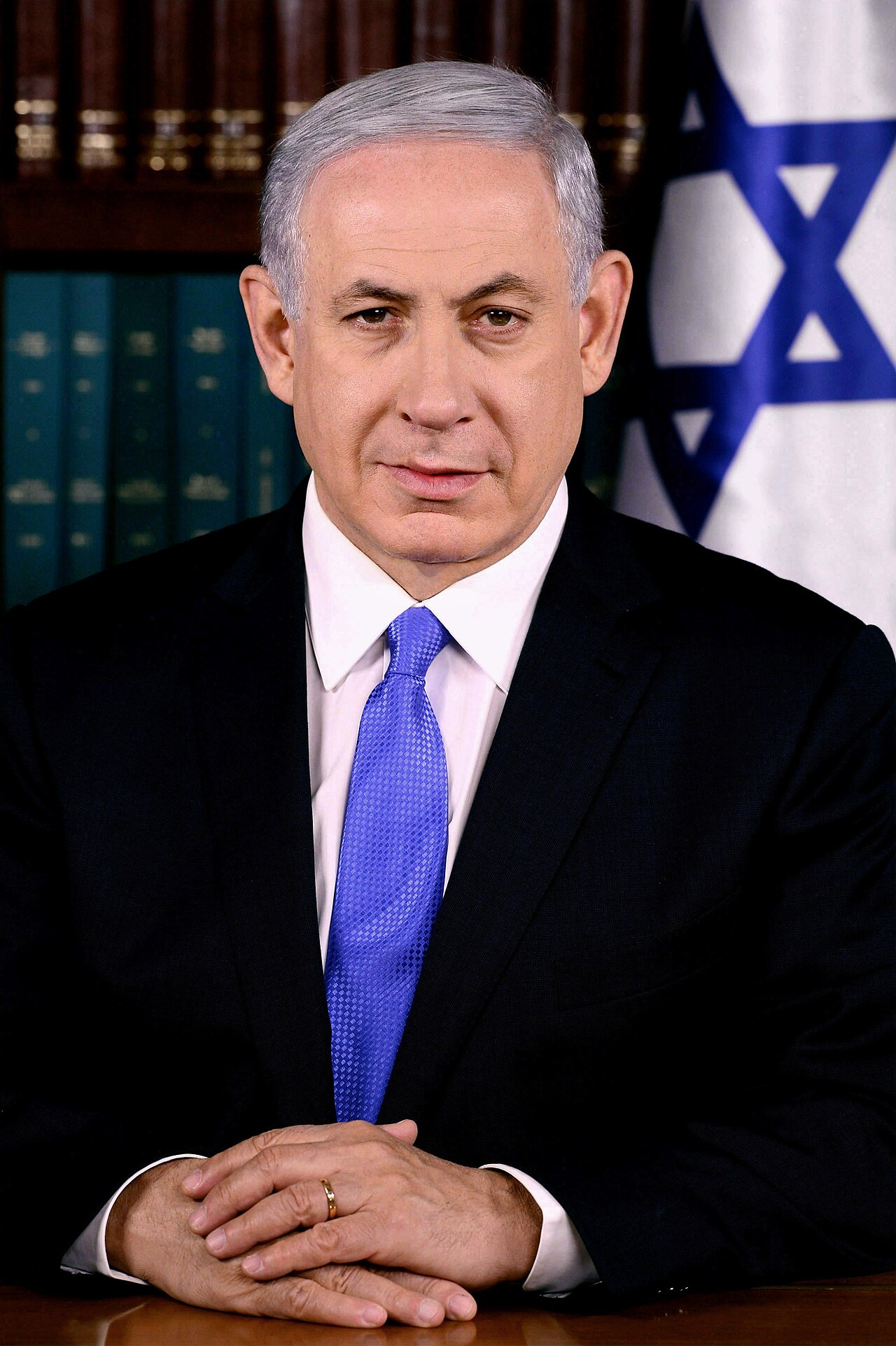
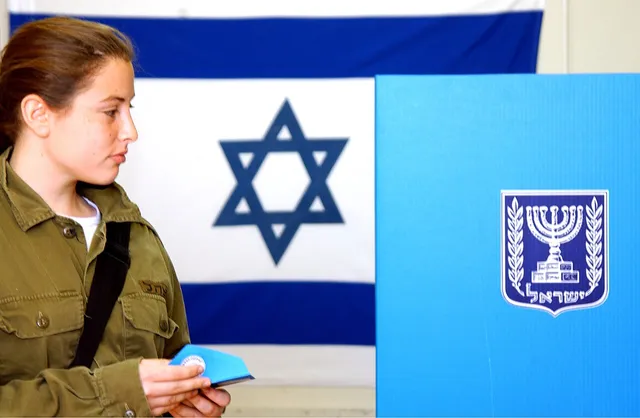
With 85.6% of votes counted, his right-wing and religious bloc sits at 53 seats. He needs 61 to govern. He's eight short.
And the parties trying to remove him? They've got 67.
This is the first point in the whole count where the opposition's numbers actually add up.
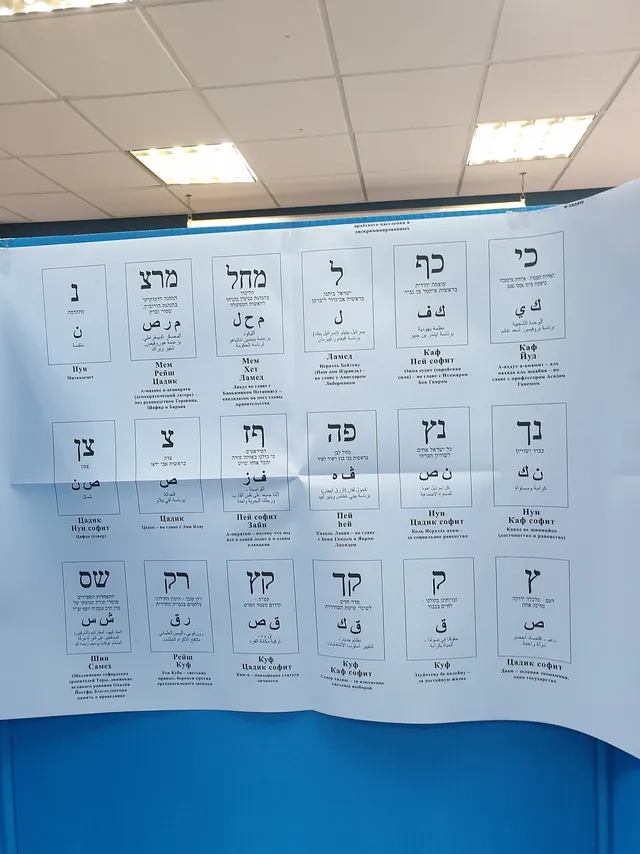
So here's the breakdown. 93% of polling stations have reported. Likud, Netanyahu's own party, is on track for 26 seats. Gadi Eisenkot's Yashar party is on 21, and his wider bloc sits at 48. Then there's the Arab parties — the Joint List on 12, Ra'am on 7, 19 seats combined. Haaretz calls that a historic high for Arab representation in the Knesset.
Put Eisenkot's bloc together with the Arab parties and you get 67. That's six seats clear of the 61 needed. Netanyahu's 53 can't get there without help from outside his own camp.
And here's the problem for him. Gadi Eisenkot, a former Israeli military chief of staff, has already ruled out serving under Netanyahu — rotation deal or not. Other opposition leaders have ruled it out too. So Netanyahu's bloc, on its own, just isn't big enough.
Yair Golan, chairman of the Democrats party, said on election morning, before the count moved further his way, quote "Netanyahu lost. I know how to count to 120. Sixty-five is more than 55." That was when the opposition sat at 65. It's since climbed to 67.
The rest of this story is for members.
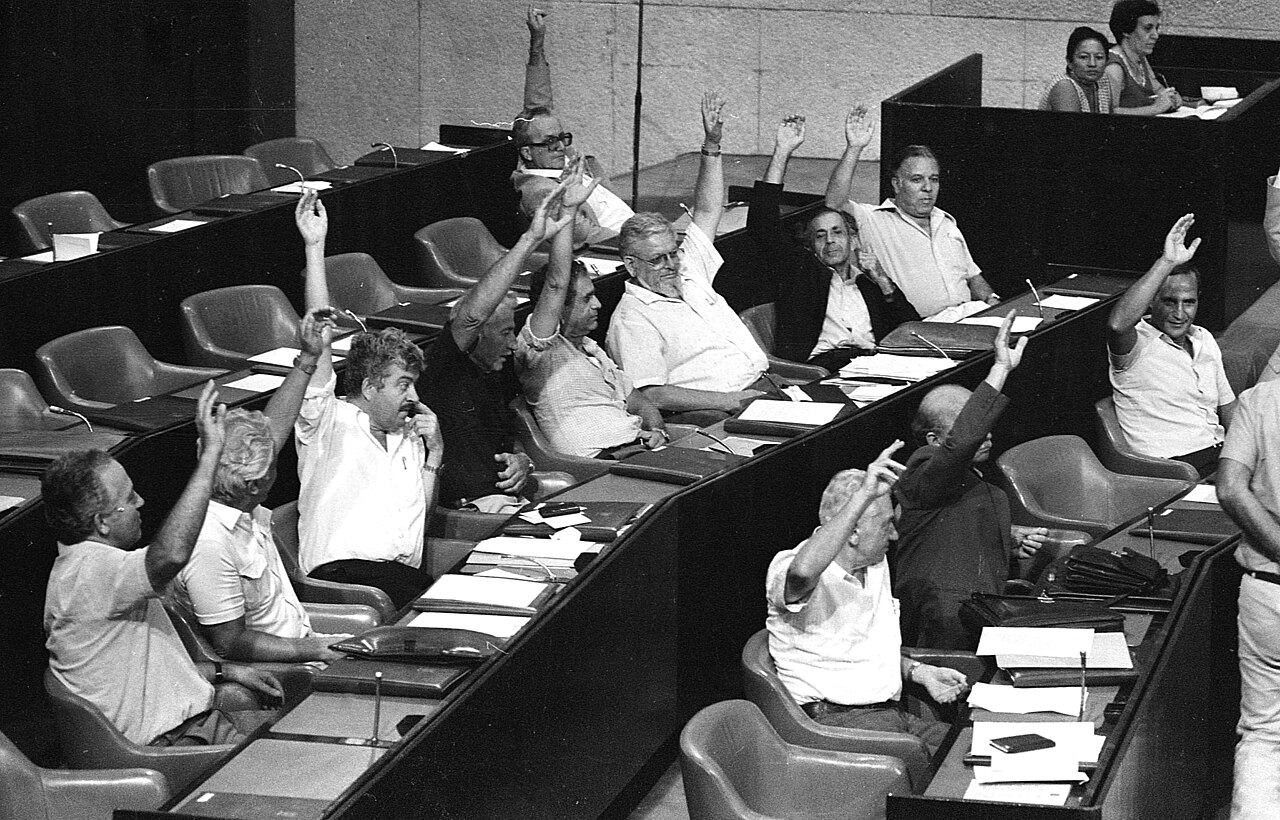
A voting procedure during a Knesset session.Boris Belenkin · CC BY 4.0
Joint List chairman Yousef Jabareen said his party was ready to help remove the Netanyahu government. Joint List faction chairman Ahmad Tibi told Army Radio the opposition bloc could form a government if it had the courage — and that Arab parties are ready to help.
Netanyahu isn't backing down. In his election-night speech he called for a strong, national, right-wing government and said the threat from Iran had to be removed. He said the right-wing bloc holds a decisive majority among the Jewish public, and that it would be wrong to lean on Arab parties he says oppose Israel's existence.
Now here's the twist nobody saw coming. Donald Trump is watching this count closely. People close to the US president told Ynet he does not want Netanyahu bringing Itamar Ben-Gvir, Israel's National Security Minister, into the next government — and probably not Bezalel Smotrich, the Finance Minister, either. They say a government with Ben-Gvir is not an option for Trump. Trump has also credited his own endorsement of Netanyahu with turning the race back his way.
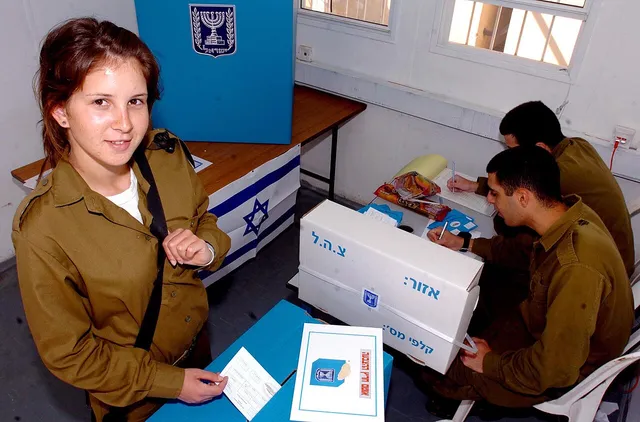
So what decides this? Around 600,000 to 650,000 double-envelope ballots still need checking. Soldiers, reservists, diplomats, hospital patients, Israelis abroad. That's worth about 15 Knesset seats. And these ballots have historically favoured Zionist parties over Arab ones — so the opposition's lead could shrink before final results land, expected in about a week.
With neither side holding a majority, Israel could sit under a caretaker government while coalition talks drag on. President Isaac Herzog has urged parties to keep an open mind and avoid a third election. The shekel weakened. Tel Aviv's stock exchange fell as the numbers moved against Netanyahu.
So what's still unknown? Whether Arab parties would actually join a coalition, or just enable one from the outside. Whether Eisenkot or other opposition figures would even accept that support to form a government.
Right now, the numbers say one thing clearly: Netanyahu cannot govern alone. The people who could replace him haven't agreed on how.
Nothing here was paid for by an advertiser. Members are the entire business model. Bronze is where it starts, and it opens the last seven days in full.