America just reissued its Iran blockade and both sides claim Hormuz
1 hour ago · 28 October 2026Share
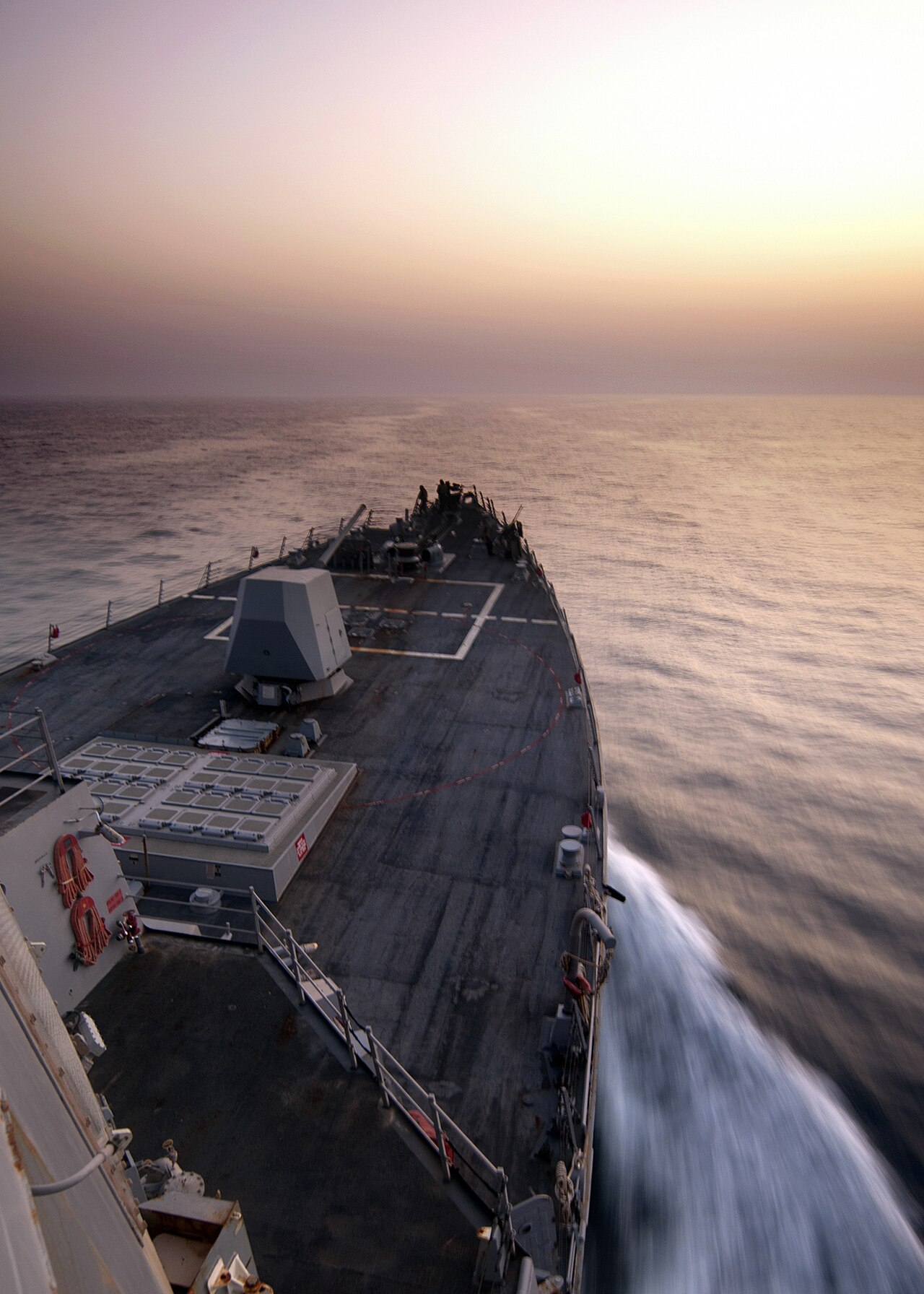
The guided-missile destroyer USS Porter (DDG 78) transits the Strait of Hormuz. File photo. Official Navy Page from United States of America Mass Communication Specialist 3rd Class Daniel J. Meshel/U.S. Navy · Public domain
The US just put out a new maritime advisory.
It says America is enforcing a blockade of every Iranian port and every bit of Iranian coastline. Every ship, no matter whose flag it flies or who owns it.
The notice is called JMIC 016-26. It came out a few hours ago from the Joint Maritime Information Center, working with US Naval Forces Central Command.
It names four stretches of water. The Gulf. The Strait of Hormuz. The Gulf of Oman. The Arabian Sea. And it sets the threat level at severe.
Sounds huge, right?
Well, it isn't new.
The US first put this blockade in place back in April. Back then the threat level was called critical. Then it got paused. Then it came back in July at severe. And it has stayed at severe ever since, including an update just three days before this one.
This advisory is actually the sixteenth in the series. Sixteen. Going back to April. So this is not a new policy. It's the next page of a policy that's six and a half months old.
Now, here's the detail everyone is pointing to. Neutral ships, carrying neutral cargo, or sailing empty, between neutral ports, can be stopped, boarded and searched.
Sounds like a big new move.
It isn't that either. The original April advisory already had that exact line in it. Neutral ships, it said, may still be subject to the right of visit and search. Today's notice just repeats it. Same words, carried forward. Not a change in what the navy is actually doing out there.
So why does the US say it's doing this at all? It says the blockade is a response to what it says is Iran's continued aggression, and attempts by Iran to control the Strait of Hormuz that the US says are illegal.
And there is real pressure on that strait right now.
The rest of this story is for members.
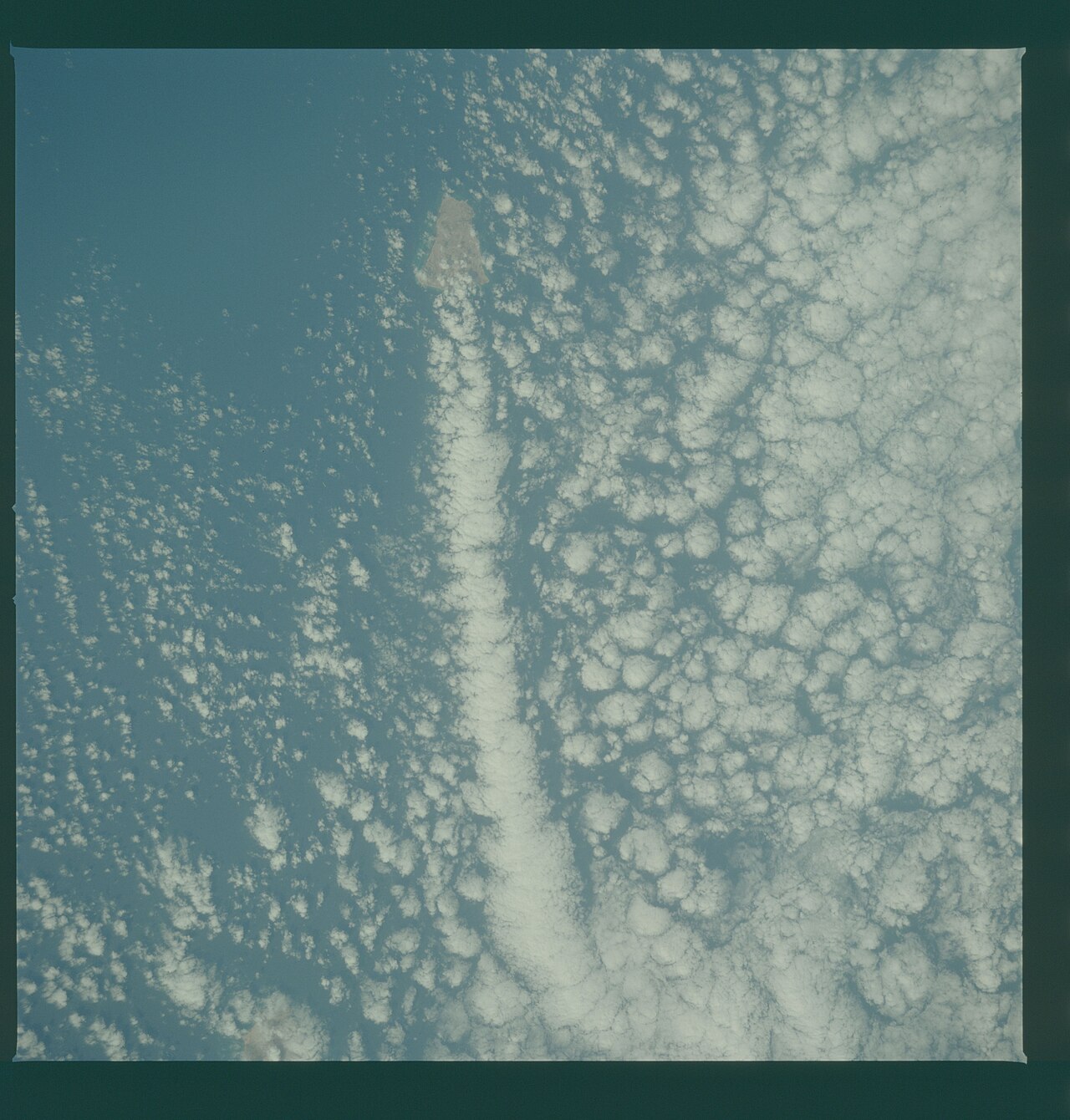
Contains modified Copernicus Sentinel data showing the Persian Gulf region. File photo.Earth Science and Remote Sensing Unit, NASA Johnson Space Center · Public domain
Before this war, around 125 big commercial ships passed through Hormuz every single day. That traffic carried about a fifth of the entire world's oil and gas supply.
By 18 October, independent tracking showed daily transits had dropped into single figures. As low as four ships in one day.
Two days ago, Iran's armed forces chief said the strait is now completely closed to any ship that won't follow Iran's own rules.
So is Iran actually controlling it? The US says no.
Donald Trump told a rally in Mississippi this week that no Iranian ship has broken the blockade in months, and that the US has full control of Hormuz. His Treasury Secretary says there have been no oil loadings at Iran's Kharg Island terminal since August. And US Central Command says that, as of the middle of October, it had redirected 138 commercial vessels under the blockade.
So right now, both sides are saying they control the exact same stretch of water.
There's one more thing landing at the same time, and it's worth being precise about this. A separate report says the US has warned several Gulf Arab countries to get ready for a short, intense military campaign against Iran after the 3 November midterm elections. Donald Trump is reportedly leaning toward a big attack after the vote that could hit Iranian infrastructure and nuclear sites. He hasn't made a final call, and he's said more than once that he won't strike before the election. The US is also moving a Patriot missile defence system from Texas into the region, partly to help defend Israel, and an extra aircraft carrier group plus a Marine unit are expected to arrive next month alongside the roughly 20 US warships already there.
No source links that reported war planning to today's advisory. They're two separate things happening inside the same war, not one story.
And diplomacy hasn't broken through either. Qatari mediators put a new draft deal to Iran a day ago, giving both sides seven days to take confidence-building steps. A senior Iranian official told Reuters that Qatar hasn't actually put forward a formal proposal, just ideas Iran finds unacceptable, and that Iran will not give up its sovereign rights despite pressure and threats.
So what don't we know? We don't know if this advisory means the US is actually tightening enforcement, or if it's just a routine update to a policy that's been running for months. We don't know how shipping insurers will price this. We don't know if Gulf states will take any active part in enforcing it. And we don't know if that reported post-election strike plan will actually happen.
The blockade has sat at the same threat level for more than three months now.
Nothing here was paid for by an advertiser. Members are the entire business model. Bronze is where it starts, and it opens the last seven days in full.