Why this mattersSo here's the timing that matters.
Just a few hours before this strike, Volodymyr Zelensky, Ukraine's President, said the United States had started sharing intelligence again on incoming Russian ballistic missiles.
He said that sharing had been switched off for three days before it came back. He said America is the only country that gives Ukraine this specific warning. On NBC's Meet the Press, he said: "We are very thankful for this... Now it works."
A few hours later, ballistic missiles hit his capital.
Now, that doesn't mean the intelligence failed. Ukraine's Air Force did send a warning, at 22:57, before the missiles struck. A Kyiv Independent reporter on the ground said she had about three minutes between the mobile alert and the first explosions. She said that's normal for a ballistic missile threat.
But three minutes isn't much time to clear a medical centre.
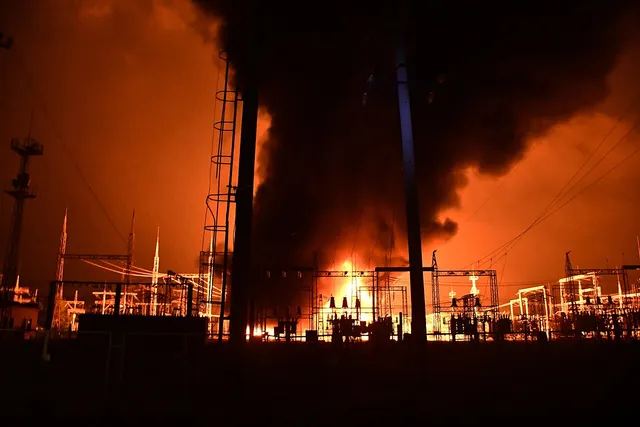
And there's another deadline this strike runs into. More than a week ago, Donald Trump, the US President, announced an energy ceasefire between Russia and Ukraine. It specifically covers energy infrastructure. Tonight's missiles are reported, not confirmed, to have been aimed at energy facilities.
This isn't the first time Kyiv's power system has been hit since that ceasefire was announced. On 14 October, a separate Russian strike killed at least nine people and damaged power plants in Kyiv and Kharkiv. Zelensky has not yet said anything about tonight's strike.
Russia hasn't said anything either. Its usual pattern is a statement within hours, saying it hit military or energy targets, and denying it was aiming at civilians.
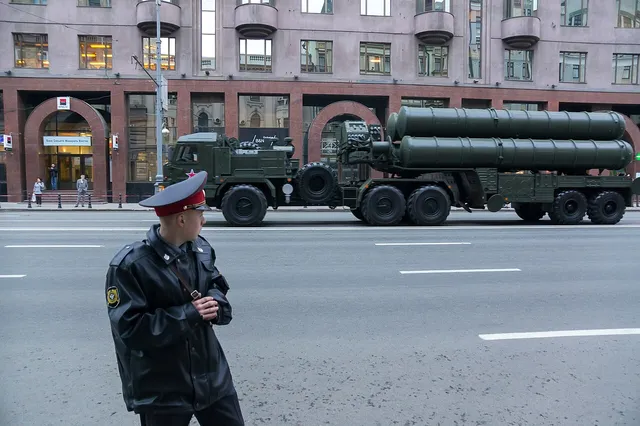
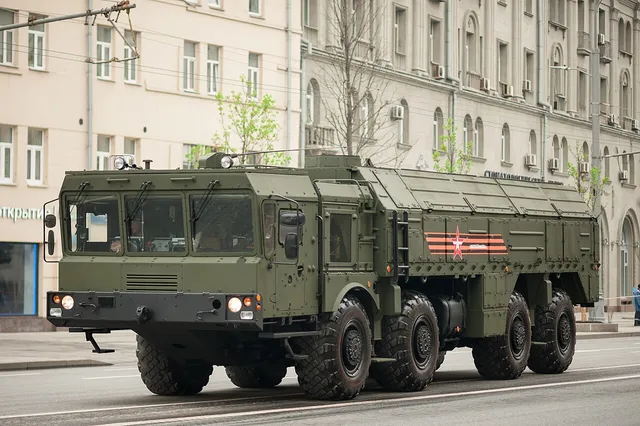
Zelensky said this week that Russia had fired around 66 missiles, mostly ballistic, and nearly 2,700 attack drones at Ukraine in the past week alone.
So what don't we know? How much damage tonight's strike did. Whether anyone has been killed or hurt. And whether the energy ceasefire Donald Trump announced still means anything at all.