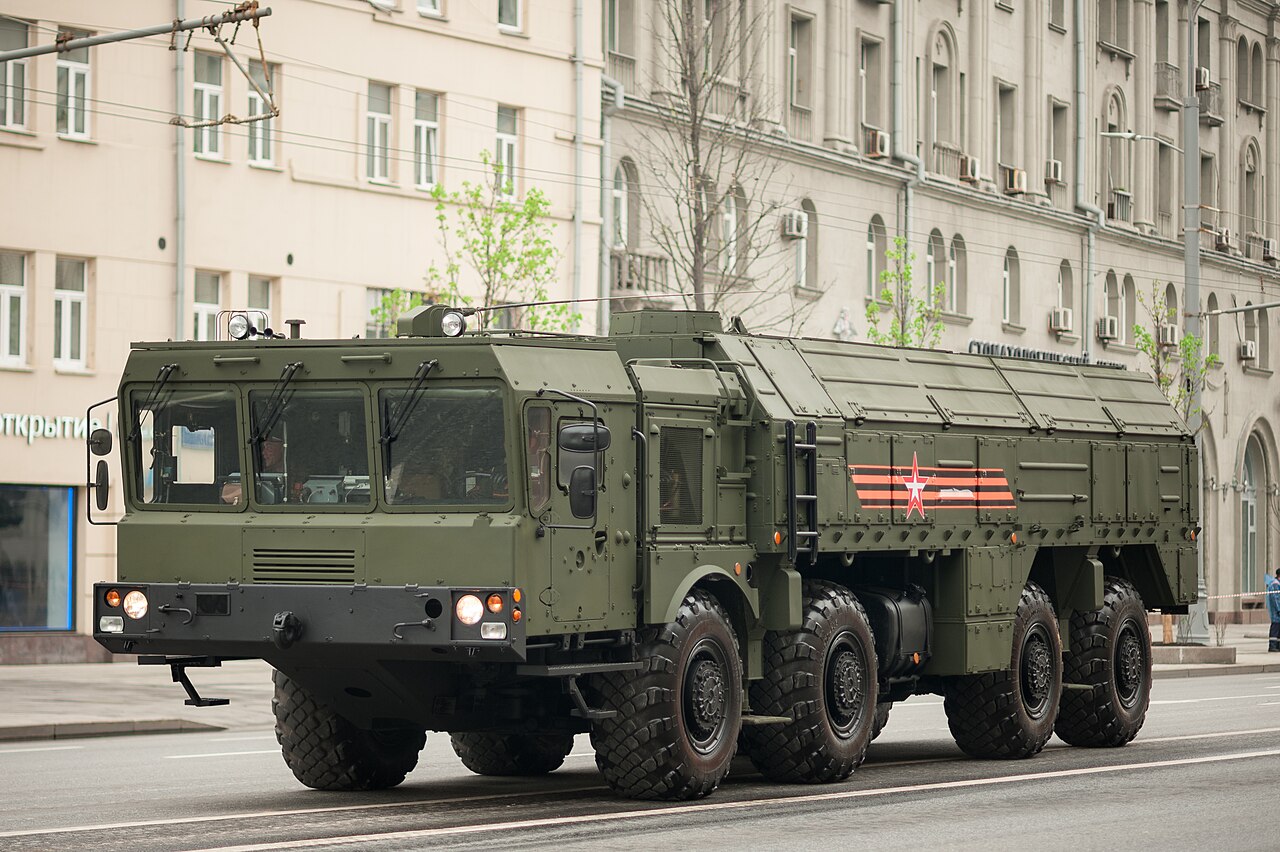
Missiles have been named heading for Kamianske and Dnipro too. One was tracked moving through the Beryslav district in Kherson region, near Arkhanhelske, before turning north.
No word yet on deaths, injuries, damage, or how many missiles got through. Russia hasn't said anything. That's everything we know.
Why this mattersSo how worried should you be? Here's the pattern.
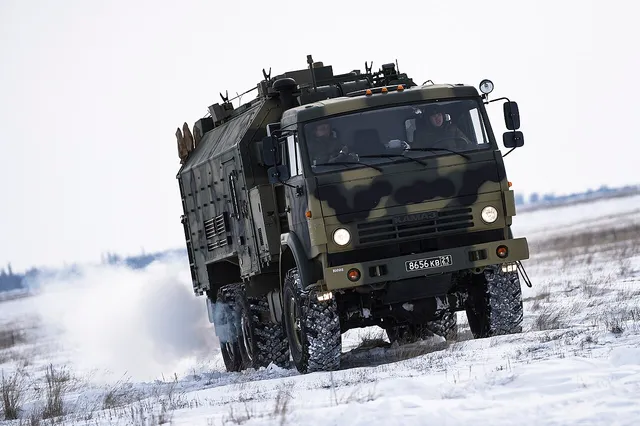
Two nights ago, Russia fired 39 missiles at Ukraine in one night. Iskander-M, KN-23, S-400, Zircon, Onyx — launched from Kursk, Bryansk, Voronezh and Rostov.
Ukraine stopped four of them.
Four out of 39. It also caught 115 of 128 drones, so the drone defence held up fine. The missile defence didn't.
That attack hit three power plants in Kyiv and damaged the grid in Kharkiv. More than 600,000 people lost power. At least nine people were killed.
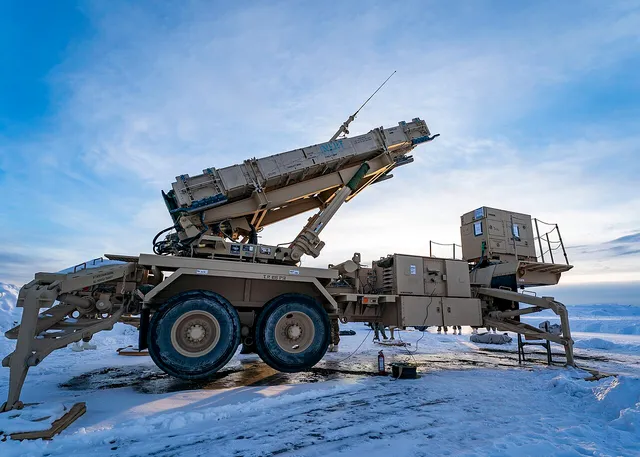
And here's the part that explains everything. Ukraine is almost out of Patriot interceptors — the missiles that shoot ballistic missiles down. A source told CNN that's the actual reason almost nothing got stopped two nights ago. Not bad luck. No interceptors left to fire.
The Washington Post reported the same thing separately, citing Ukrainian officials. One official said there were only 10 interceptors left as of 10 October.
So Volodymyr Zelensky went to Brussels a day ago and asked for 300 more. Plus €70 billion for next year.
He says Ukraine cannot get by on just two or four missiles from a country every few months.
He also said Ukraine isn't the top priority for American interceptors right now. Most of them are going to the Middle East instead.
But on that same day, Zelensky told reporters something else — that Europe has enough interceptors to get Ukraine through winter.
So which is it? Running dangerously low, or covered? Right now, both things are coming from him within 24 hours.
And Greece and Spain have reportedly turned down requests to hand over their own Patriot interceptors. Zelensky met NATO's Mark Rutte two days ago to talk about exactly this — interceptors, F-16 munitions, new air defence packages.
Volodymyr Zelensky said the attack two nights ago hit energy sites that were meant to be covered by an energy ceasefire Donald Trump had announced just days before. He called it absolutely unjust.
So if this morning's targets turn out to be energy sites again, that's the same pattern repeating — with fewer interceptors left to stop it.
Russia hasn't said a word about this morning. Nobody knows yet what was fired, what got through, or what it hit.