Lebanon just told Iran to stop arming Hezbollah in public
1 hour ago · 18 October 2026Share
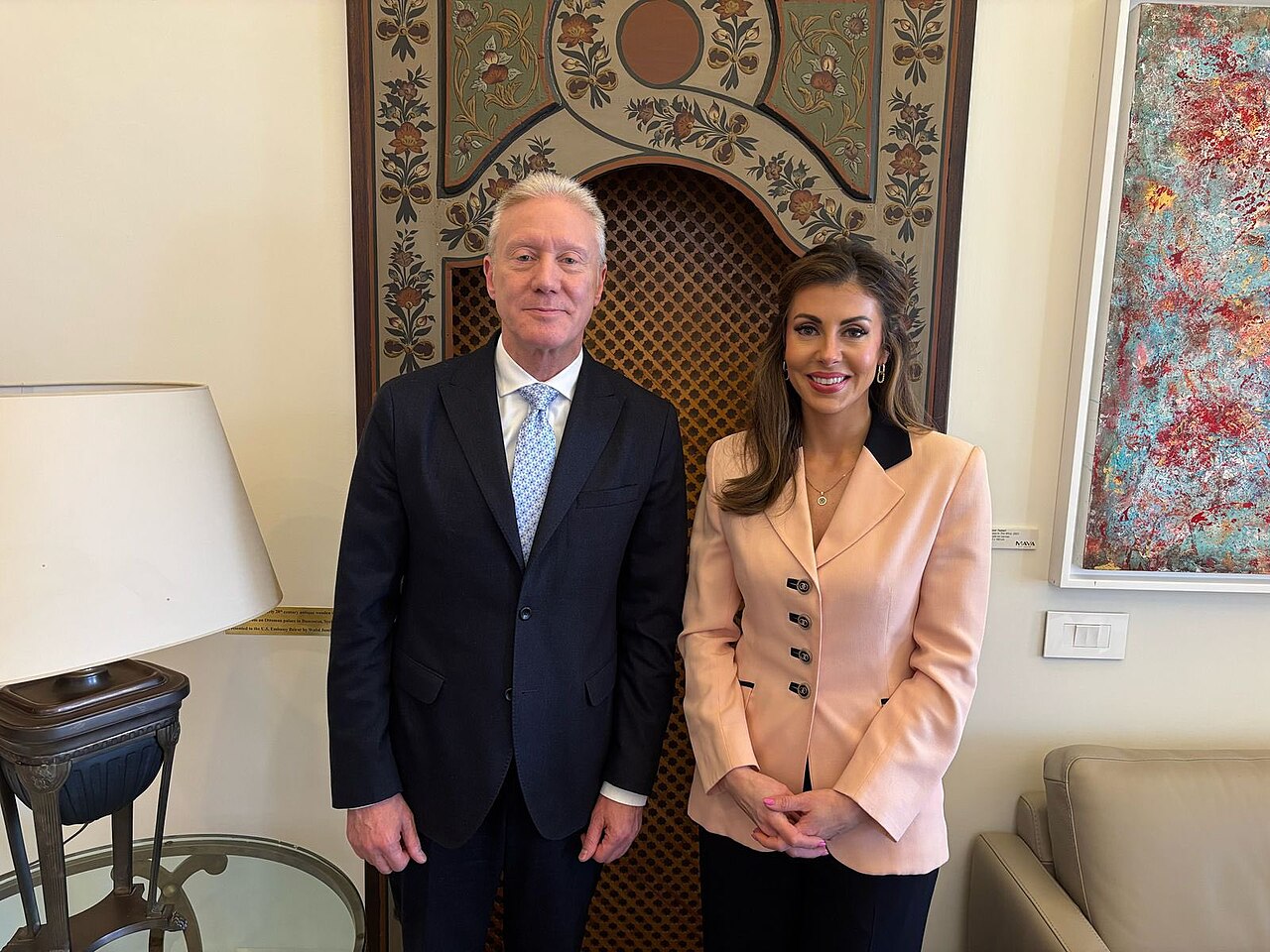
United States Deputy Special Envoy Morgan Ortagus meets with Lebanese Foreign Minister Youssef Rajji in Beirut. File photo. US Embassy Beirut · Public domain
Lebanon just told Iran, in public, to stop arming Hezbollah.
Youssef Raggi, Lebanon's Foreign Minister, said it in a speech a few hours ago. The room was the Organisation of Islamic Cooperation's Council of Foreign Ministers, meeting in Baghdad. Nearly every Muslim-majority country in the world was in that room.
So what did he actually say? Iran needs to stop interfering in Lebanon's affairs. Stop challenging government decisions. And stop supplying Hezbollah with weapons and money.
He said Hezbollah has dragged Lebanon into two wars with Israel. He says quote "Hezbollah dragged the country into two wars with Israel, in October 2023 and March 2026".
But he didn't let Israel off either. He said the Israeli strikes hit Lebanon's sovereignty and territory, killed thousands of people and cost billions of dollars. At the same time, he said, Iran needs to stop interfering in Lebanon's own affairs.
So Lebanon's government just blamed Israel and Iran in the same breath. And put the demand on Iran on the record, in front of the entire Islamic world.
Raggi also called on Iran and its proxies to stop attacking Gulf states and Jordan. He backed a UN Security Council resolution, 2817, that calls for those attacks to stop. And he said Lebanon rejects any restrictions on ships passing through the Strait of Hormuz and the Bab el-Mandeb Strait.
Now here's why this isn't coming out of nowhere.
Lebanon's government made Hezbollah's military activities illegal seven months ago, in March 2026. That happened hours after Hezbollah fired rockets at Israel, in solidarity with Iran, during the war that followed American and Israeli strikes on Iran. The ban built on an earlier decision, from August 2025, to put all weapons in the hands of Lebanon's own security forces only.
But the ban hasn't worked.
Thirteen days ago, Lebanese security forces stopped a vehicle on the Bekaa-to-Beirut highway. Inside they found roughly 780 kilograms of explosives. Ahmad al-Hajjar, Lebanon's Interior Minister, says the load was so heavy it gave the vehicle away. Two men were arrested.
The rest of this story is for members.
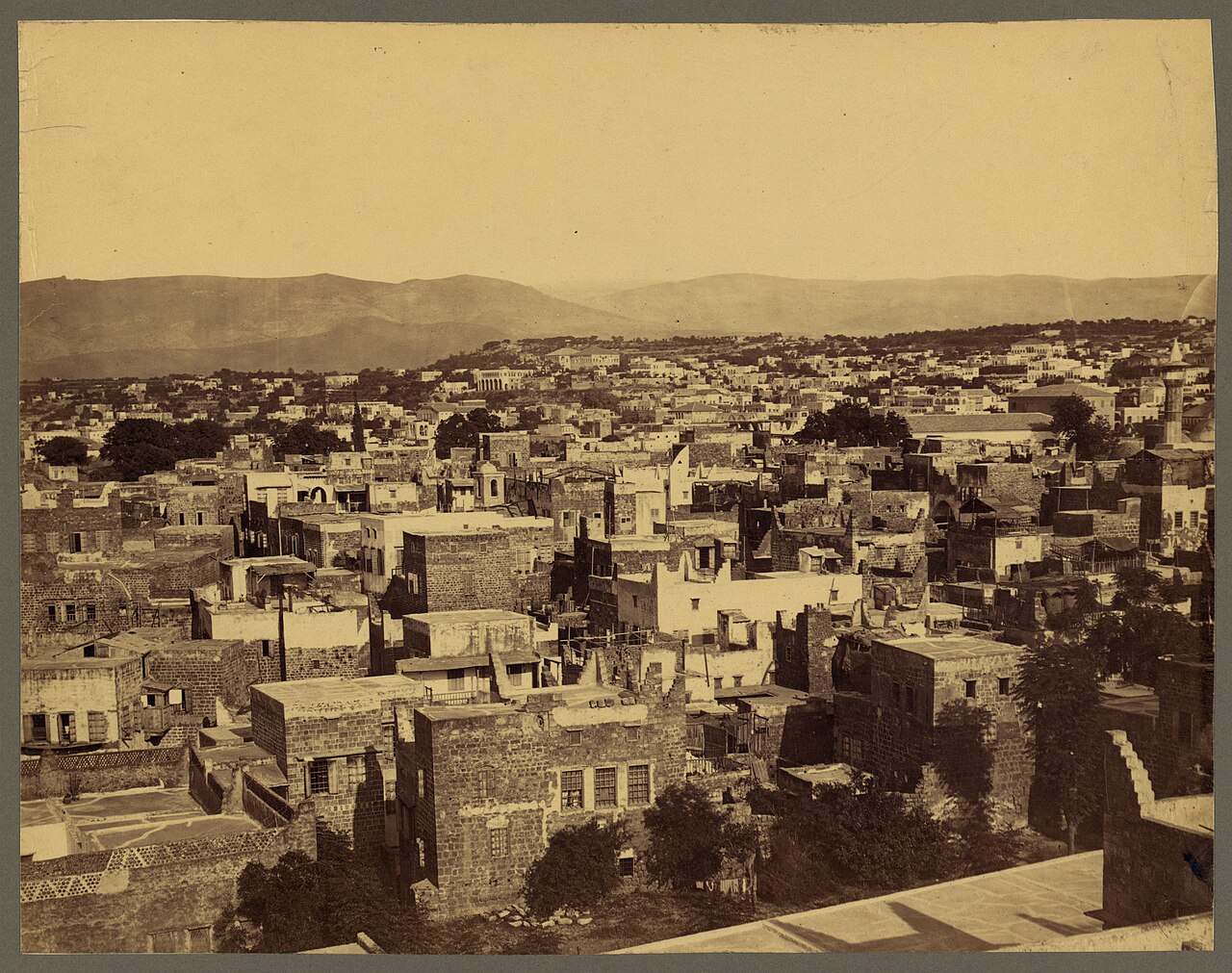
An aerial panoramic view of Beirut. File photo. Maison Bonfils (Beirut, Lebanon), photographer · Public domain
Three days after that, Hezbollah said the explosives were its own. Hassan Fadlallah, a Hezbollah lawmaker, called them the resistance's property, used against Israel. He demanded Lebanon hand them back, along with the two men.
Lebanon said no. A security source told the Lebanese outlet Al Modon the material will not be returned while the weapons restrictions stand. Nawaf Salam, Lebanon's Prime Minister, called the shipment a criminal operation and says those responsible will be pursued.
And America is watching closely.
Three days ago, Joseph Aoun, Lebanon's President, discussed the seizure by phone with Marco Rubio, America's Secretary of State. A State Department official says Marco Rubio told Joseph Aoun that giving the explosives back to Hezbollah should be out of the question, and pushed Lebanon to hold whoever ordered the shipment to account.
So that standoff is still running right now, at the same time as Raggi's speech.
And here's the real shift. Raggi didn't just go after Hezbollah. He went over Hezbollah's head and put the pressure straight on Iran, in public, for the first time.
Iran hasn't answered that demand. Separately, on the sidelines of the same Baghdad meeting, Raggi met Abbas Araghchi, Iran's Foreign Minister. Araghchi spoke about Iran's support for Lebanon's sovereignty against what he called Israeli aggression. That's a different, warmer conversation. It is not a response to Raggi's public demand. Neither foreign ministry has commented on that meeting.
Iran has long said Hezbollah is a Lebanese movement it doesn't control, not a proxy it directs.
And this isn't the first time Raggi has pushed against Iran directly. Fourteen months ago he declared Iran's ambassador to Lebanon persona non grata. That ambassador's visa was quietly renewed two months ago, though his diplomatic status was never restored. Raggi has also turned down an invitation to visit Tehran.
So what don't we know? Whether this speech reflects the whole Lebanese cabinet's position, or just Raggi's own. Whether Lebanon will go beyond words. Whether Hezbollah will respond to the demand at all. And whether other Arab states will back Lebanon publicly.
Right now, the explosives are still in Lebanese custody. The two men are still under arrest. And Iran has said nothing.
Nothing here was paid for by an advertiser. Members are the entire business model. Bronze is where it starts, and it opens the last seven days in full.