Finland and Norway just broke ranks and called Putin directly
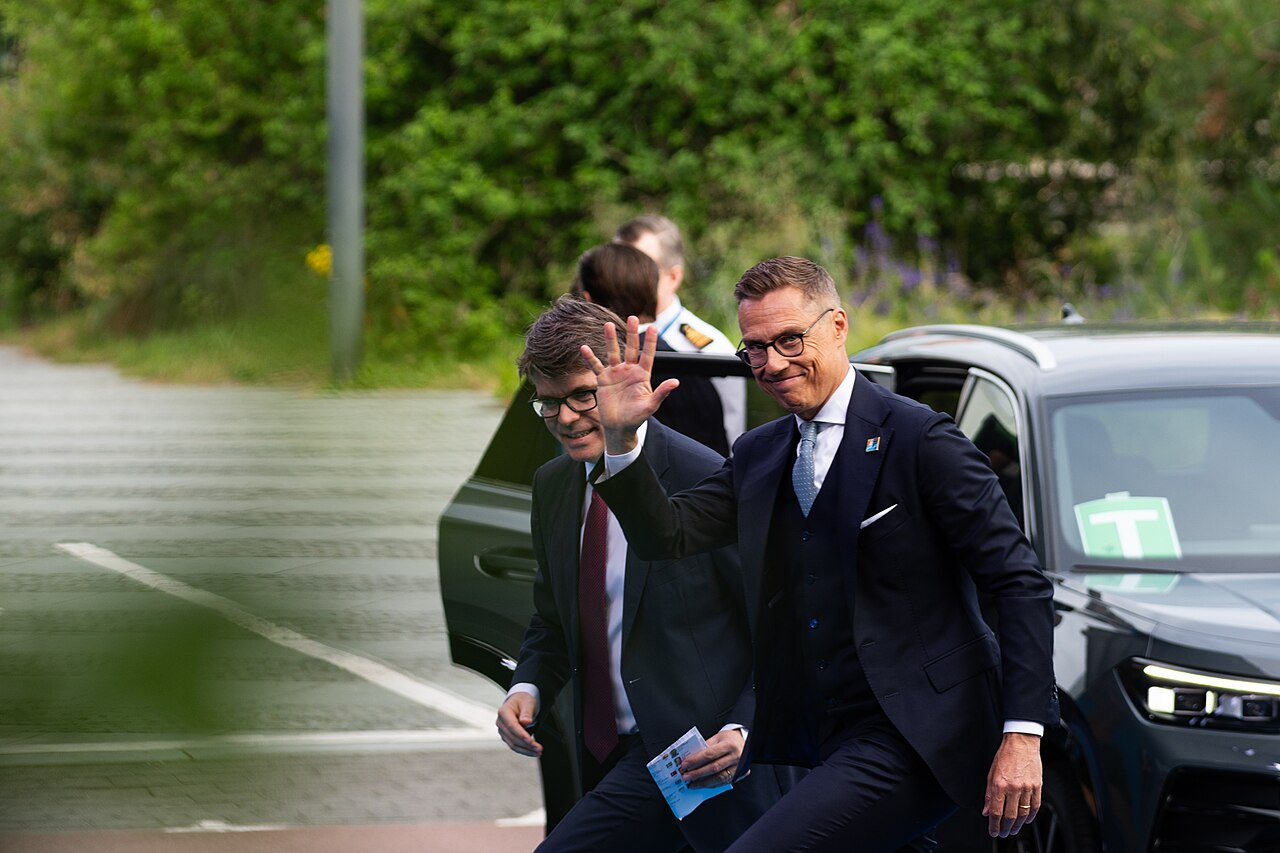
Finland and Norway just called Vladimir Putin.
The call lasted about 90 minutes.
Alexander Stubb and Jonas Gahr Støre, the leaders of Finland and Norway, say they made the call in consultation with Ukraine.
So why does that matter? No European leader allied with Ukraine has spoken to Putin directly since Emmanuel Macron did it, back in July 2025.
That's everything we know.
This call breaks a pattern that's held for over a year.
Dmitry Peskov, the Kremlin's spokesman, confirmed the call happened. And the Kremlin's readout says a just and long-term peace is only possible if Russia's interests are fully and unconditionally taken into account.
So Putin didn't move an inch.
Putin, Stubb and Støre have agreed to keep talking by phone.
Here's why the timing matters. A week ago, Stubb, Støre, Volodymyr Zelenskyy and the American envoy Steve Witkoff met in Oslo. Steve Witkoff then went to St Petersburg to see Putin. US-mediated talks between Russia, Ukraine and America are planned for Abu Dhabi in early November.
And Donald Trump has shifted his position towards Russia recently. US-Ukraine relations are at their lowest point in a year and a half.
So Stubb and Støre look like they're trying to keep a European voice in a process America is now steering.
Alexander Stubb says quote "ending the war requires direct discussions".
Jonas Gahr Støre said the war carries enormous human and material costs that will be felt for generations, and that the two leaders stressed the importance of de-escalation.
But not everyone in Europe is on board.
Mette Frederiksen, Denmark's Prime Minister, says she is very sceptical of the initiative, and that it was not coordinated with the rest of them.
Ulf Kristersson, Sweden's Prime Minister, says other European leaders were not told about the talks, and that he has low expectations for this kind of direct contact.
Here's where it gets messy. One account says Kristersson was actually told shortly before the call went ahead, and that the office of European Council President António Costa was briefed. That conflicts with Kristersson's own complaint. It is not yet clear which is right.
Germany's Chancellor, Friedrich Merz, takes the opposite view. He says Norway and Finland are playing a constructive role, and that Germany wants its own format for talking to Russia's government.
Italy's government says the whole episode shows Europe still cannot agree who should represent it in talks, and is calling for a negotiator to be appointed quickly.
So that's four European positions on one phone call.
And Russia hasn't changed its position either way. Margus Tsahkna, Estonia's Foreign Affairs Minister, wrote that only more pressure on Russia will make it take negotiations seriously, and that there is no sign Russia has changed its strategic goals.
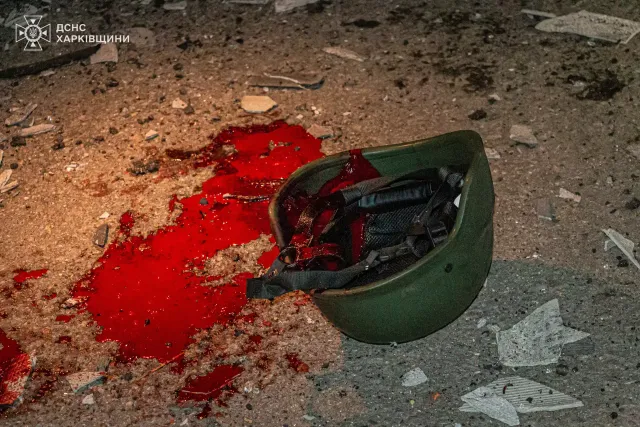
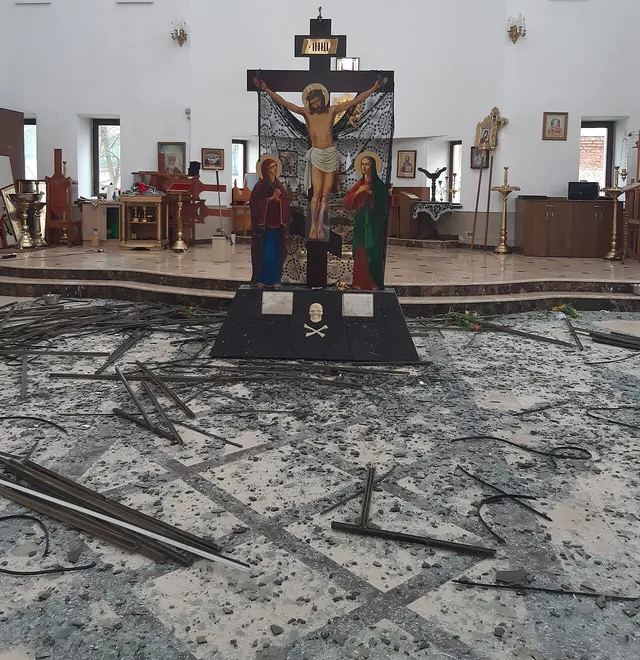
While the call was happening, the war carried on. Russia hit Kyiv overnight with 16 ballistic missiles and more than 280 drones, hitting the South Bridge.
A local ceasefire did start overnight around the Russian-occupied town of Oleshky in Kherson region, and Putin raised it during the call.
What we still don't know: whether Zelenskyy's team had any real input beyond being consulted, what Putin actually said beyond the Kremlin's brief statement, and whether this becomes a regular channel or stops here.
Comments
None yetAlready a member? Log in.