The Houthis also say they hit two Saudi military planes on the ground, and separately fired a missile at Saudi Arabia's Ministry of Defence in Riyadh. Saudi Arabia hasn't confirmed either claim.
The Saudi-led coalition says it shot down two missiles heading for Riyadh. People in the city heard explosions, and residents got a text warning of an "aerial threat". Debris from the intercepted missiles damaged a building, a construction site and a car, Saudi civil defence says.
The coalition also says it stopped four drones and three more missiles aimed at Saudi Arabia earlier the same day.
That's everything we know.
Why this mattersSo why does Ras Tanura matter so much?
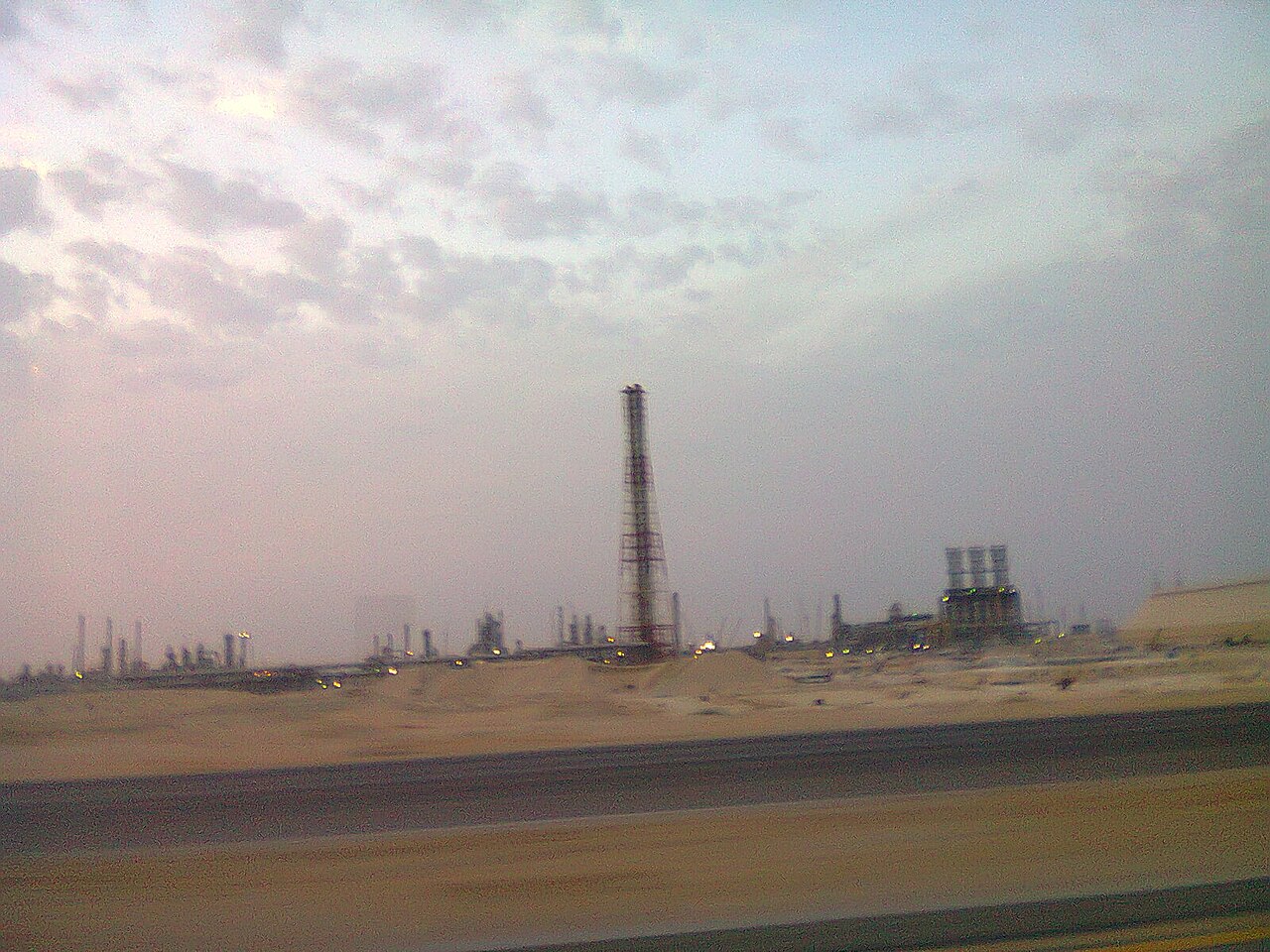
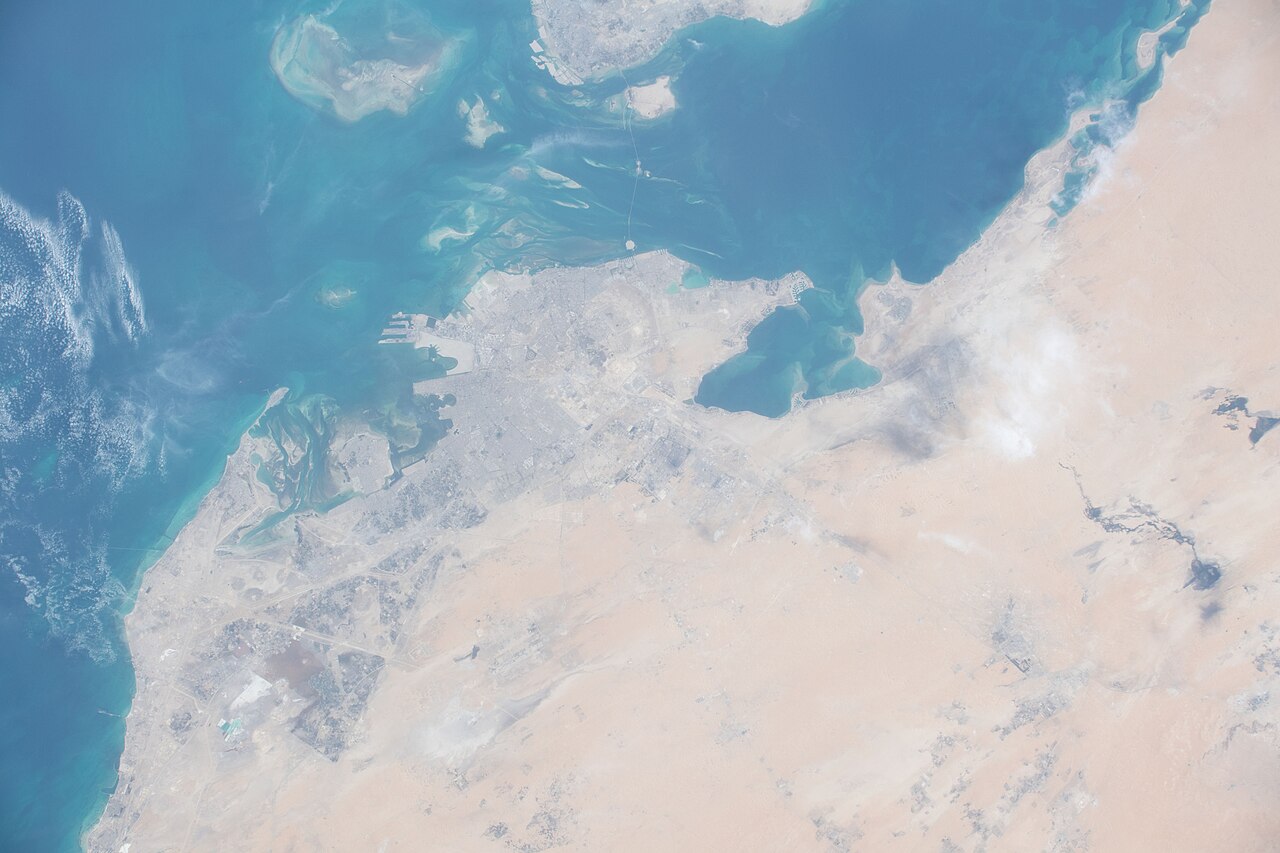
Because almost all of Saudi Arabia's oil leaves the country through just two ports. Ras Tanura is one. Yanbu is the other. The Houthis have hit both before.
And this isn't a one-off. The Houthis have been hitting Saudi Arabia harder since July. Missiles and drones. Airports, oil sites, military bases. It's picked up through October.
The US State Department said six days ago that the Houthis were increasingly attacking Saudi civilian infrastructure, and that it was killing civilians.
Now here's something that needs correcting. You'll see reports linking today's strike to the US pulling staff out of its Riyadh embassy. That's not right. That order went out four days ago, before this strike happened. It isn't a reaction to it.
But here's what is new today. Abdollah Haji Sadeghi, the representative of Iran's Supreme Leader to the Revolutionary Guard Corps, warned that any more American attacks on Iran would bring what he called a "harsher and more" response. He said the enemy was wrong to think that killing Iran's leaders and commanders would turn Iranians against their own government.
It isn't clear whether that warning was about the Ras Tanura strike, or just Iran repeating its standing position in a war with America and Israel that's now eight months old.
Saudi-backed Yemeni forces say they ran 1,276 operations against the Houthis in the last 24 hours alone, part of an offensive they're calling "Dawn of Yemen". A commander for those forces, Colonel Majed al-Nuzaili, says around 382 Houthi fighters and commanders were killed or captured in that time.
And oil markets are already moving. Brent crude is trading at $114.81 a barrel today. It had earlier dropped more than 6% from a multi-month high, as hopes of peace talks pulled against fears of new strikes.
So here's where this stands. A Houthi claim. An unconfirmed Saudi fire. An Iranian warning. All on the same day.
Nothing yet proves they're connected. What happens next will show whether they are.