Saudi Arabia hasn't confirmed either strike happened.
That's everything we know.
Why this mattersSo let's break down what we actually know happened overnight.
First, Riyadh. Saudi Civil Defence sent out an aerial threat alert for the capital and nearby Al-Kharj. That's the first alert like it since the fighting got worse in July.
A Reuters journalist in Riyadh heard booms before the all-clear came.
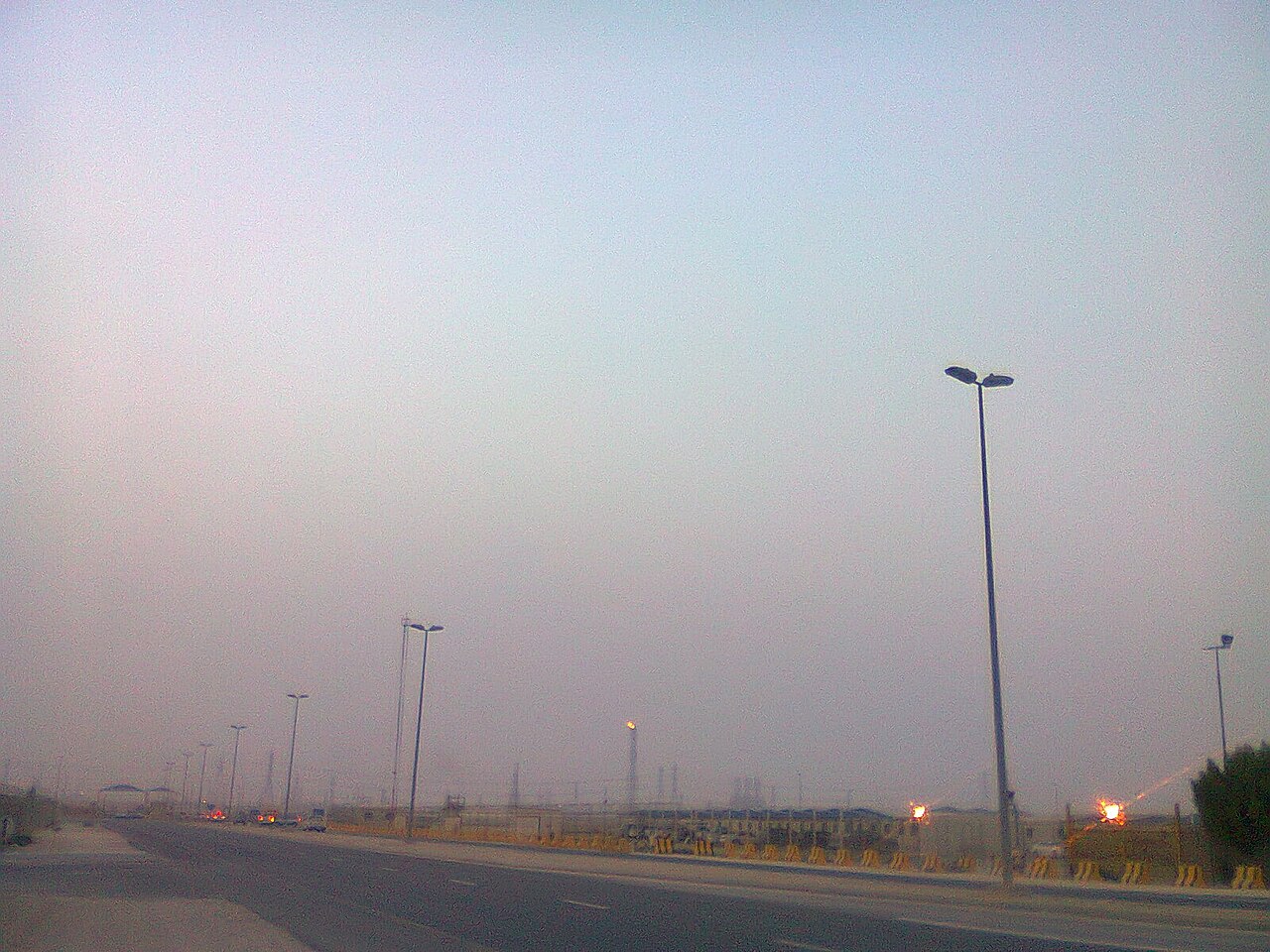
And firefighters put out a fire on an Aramco-branded fuel tank near King Khalid International Airport. An AFP journalist saw it happen.
FlightRadar24 recorded the airport hitting its maximum disruption score before flights went back to normal.
Then, hours later, residents told AFP they heard a second round of explosions across the capital.
That's when Saree named the second target: Aramco facilities in Yanbu.
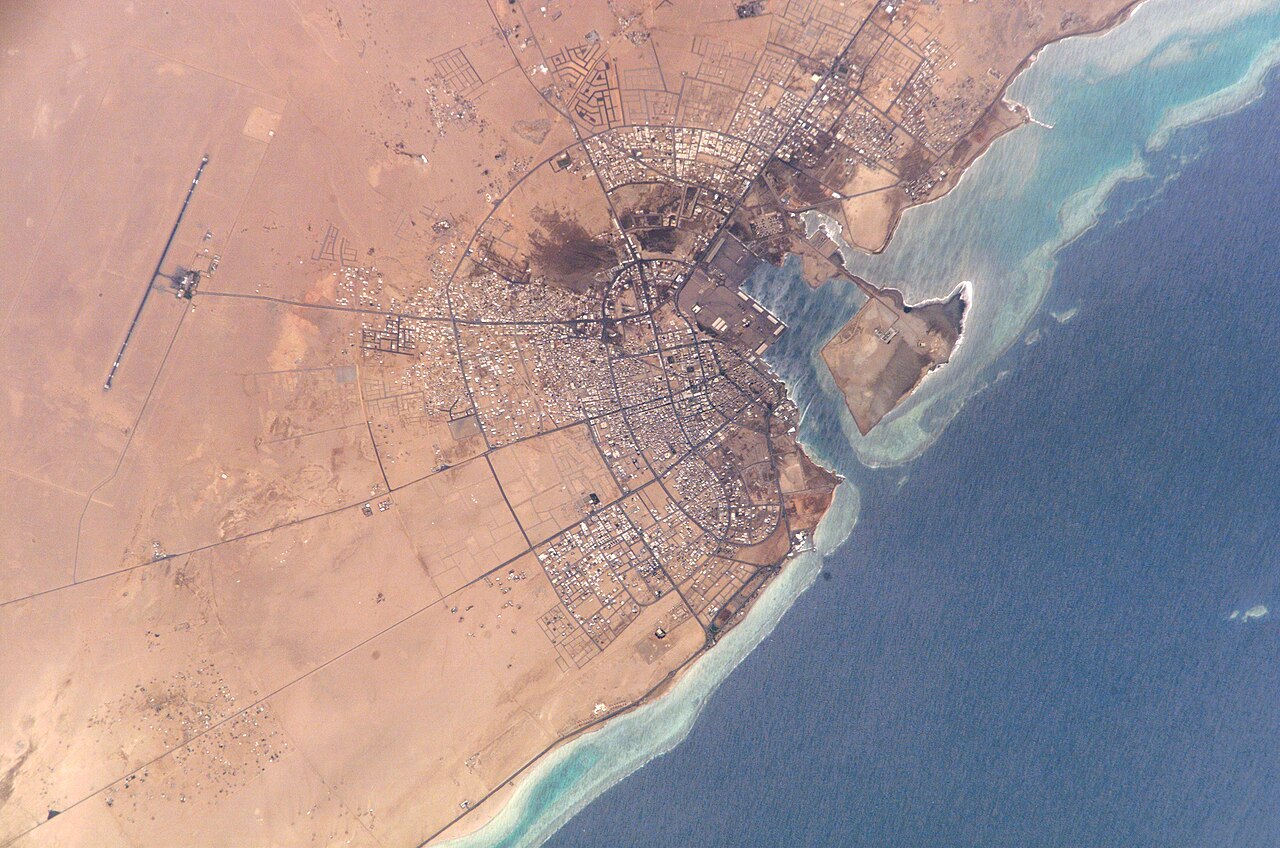
So why does Yanbu matter? It's Saudi Arabia's second-biggest oil export terminal. Major refining and petrochemical plants sit there too.
Until now, Houthi strikes had mostly landed near the Yemeni border, in the south. This is the first time the fighting has visibly reached the Saudi capital since July.
Hitting Riyadh and Yanbu in the same statement sends a message. The Houthis are saying they can hit more than one part of the country, hours apart.
Here's how we got here. Fighting restarted in July, when Yemeni government forces struck Sanaa airport to stop an Iranian plane landing. The Houthis fired missiles at Saudi Arabia in response. They also declared a naval blockade and started hitting Saudi-linked ships in the Red Sea.
It's kept escalating since. On 8 September, strikes on four Saudi cities wounded at least 73 people and set fire to oil sites in the south. On 16 and 17 September, the coalition said it stopped a Houthi drone before it reached Mecca's restricted airspace — the Houthis say that was never their target. Around the same time, at least five people, including three children, were killed as both sides traded fire.
The United Nations Security Council condemned the Houthi attacks a day before this latest strike, in its strongest language yet.
And the Houthis have been gaining ground on land too. This month they've seized stretches of Yemen's Red Sea coast in what's being called a lightning offensive.
But here's the gap. Nobody outside the Houthis has confirmed Yanbu was hit at all.
The Riyadh fire has real evidence behind it — Reuters video, an AFP journalist on the ground. Yanbu has one source: the group that says it carried it out.
So one strike is partly confirmed. The other rests entirely on Saree's word.