Why this mattersSo is this new? No.
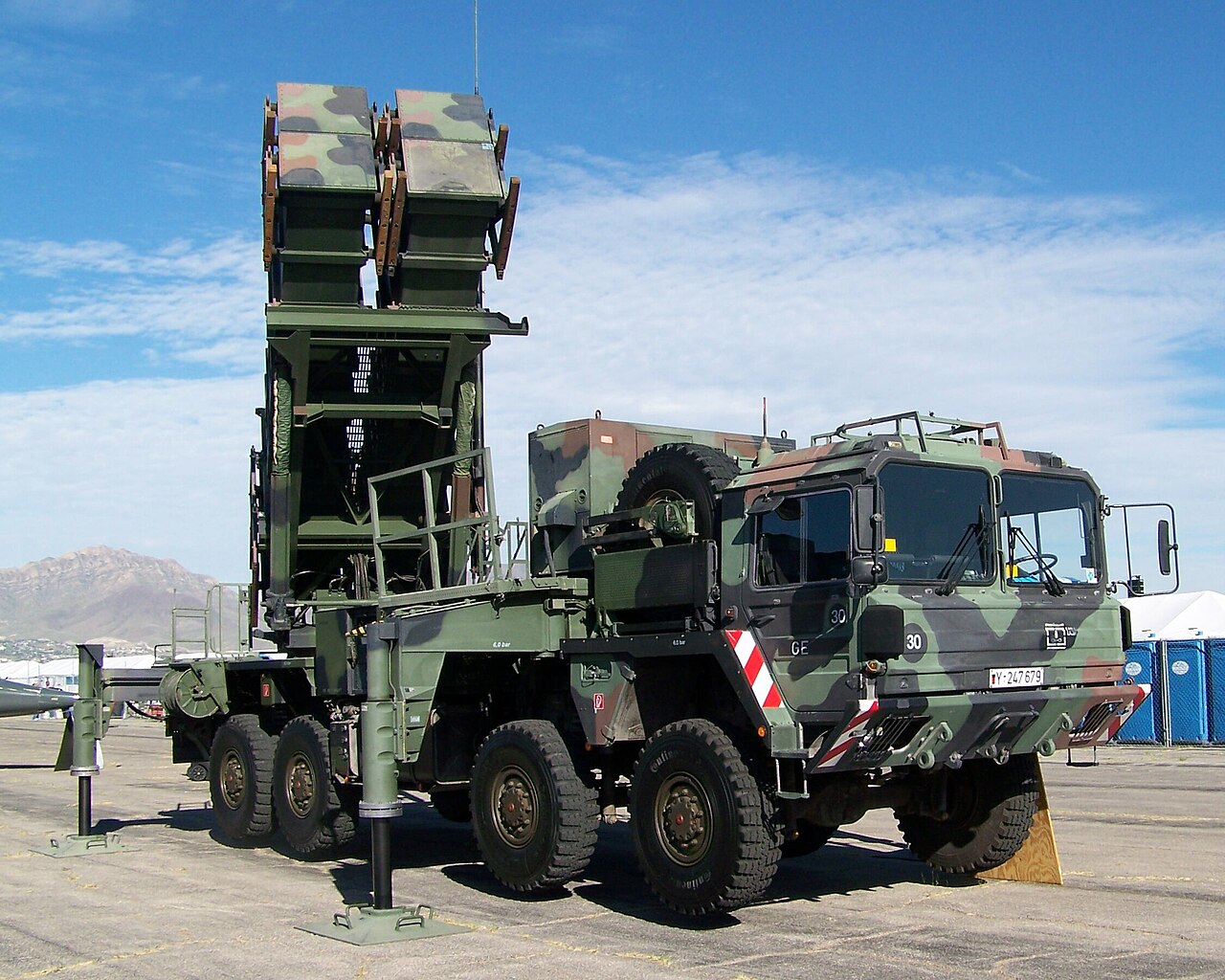
The Houthis have been hitting Riyadh again and again for two weeks straight. Saudi Arabia's air defences are being tested almost every day now.
About a week ago, a Houthi attack sent shrapnel into a Saudi Aramco building in Riyadh's financial district. Nobody was hurt. Four days before today's strike, Saudi air defences shot down missiles over Riyadh for a second day running. The coalition said that one was three cruise missiles.
And last month was much worse. A Houthi strike on Riyadh's airport killed at least 13 people and wounded more than 300.
So this has been building for weeks, not days. The coalition says it has intercepted or destroyed at least 15 ballistic missiles, cruise missiles and drones across Saudi Arabia this month alone.
The attacks picked up after a truce in Yemen's war collapsed in July. Qatar, Bahrain, Egypt and Syria all condemned the attacks on Saudi Arabia about a week ago.
And here's the bigger picture. America and Israel have been fighting Iran since the end of February. The Houthis are backed by Iran. And Iran has already been restricting ships through the Strait of Hormuz.
So why does Riyadh matter so much? Because it's the capital of one of America's closest allies in the Gulf. A ballistic missile aimed at a capital city sends a different message than one aimed at a border town.
Bahrain's alert matters too. Bahrain sits just across the water from Saudi Arabia, and its government told people to move to safety within minutes. That's not routine.
But here's the thing. Every missile has been stopped so far. Nobody has been reported hurt, not today, not four days ago, not a week ago. Intercepted, no deaths or injuries — that's the pattern so far.
So three questions are still open. Does that pattern hold? What do the Houthis say about this one? And does Saudi Arabia hit back beyond its air defences?
Right now, nobody has answered any of them.