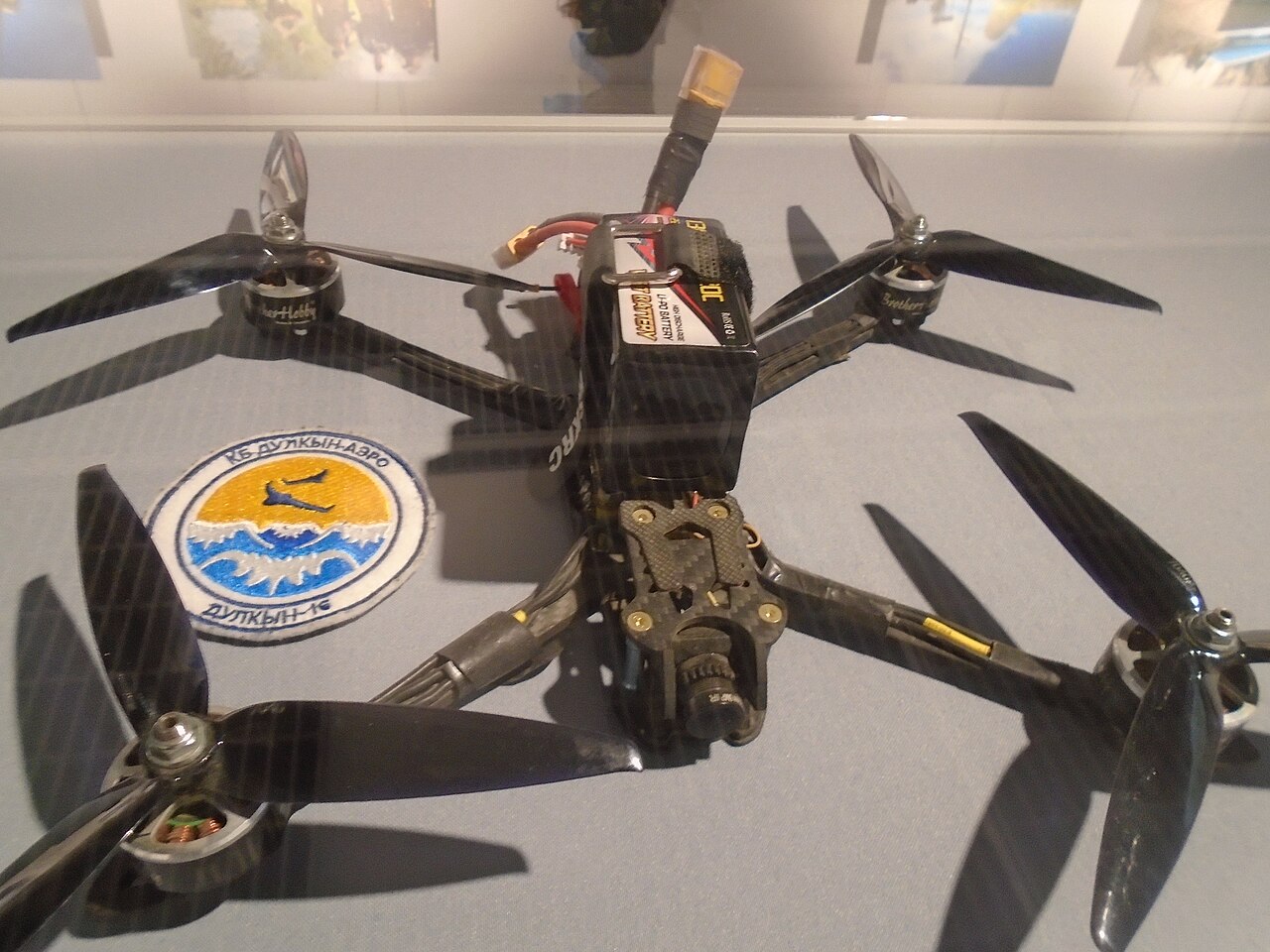
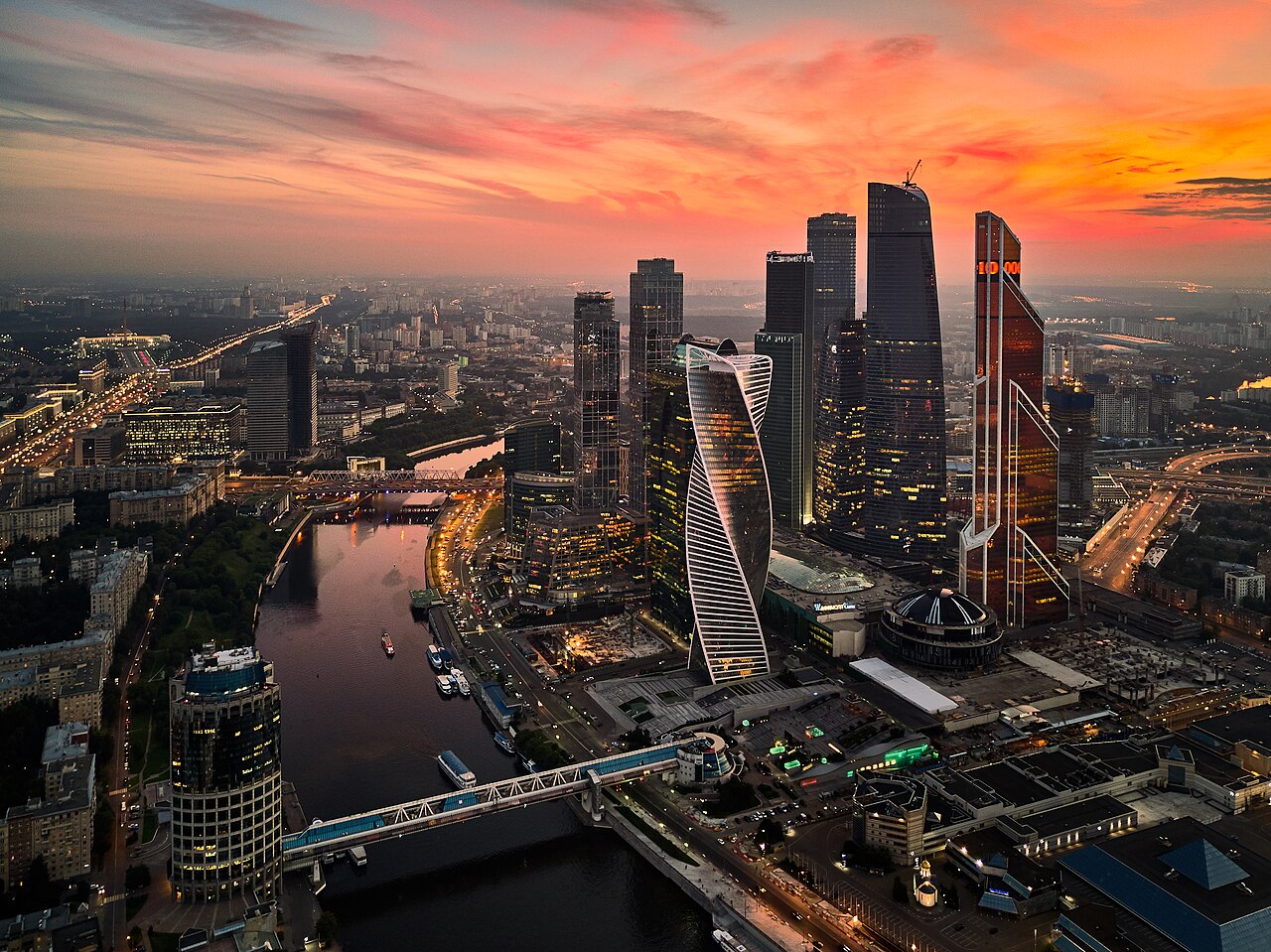
He hasn't said if anything was hit. No word on injuries, no word on damage, no word on whether a single drone broke through.
That's everything we know.
Why this mattersAnd here's the thing. This is not a one-off.
Three days ago, 467 drones hit the Moscow region in one night. That was part of a nationwide assault of around 1,200 drones, Sergey Sobyanin said at the time.
Now a separate figure is floating around too. Russia says it intercepted 1,336 drones nationally in the last day. That's not the same count as the 600 headed for Moscow. Don't mix them up.
Go back six weeks, to 6 October. 650 drones came for Moscow in one night. That time, people died. Two were killed in the city, a warehouse caught fire, and outside Moscow one person was killed in Radumlya, one in Barybino, seven were hurt, and dozens of homes and cars were wrecked.
So large drone raids on Moscow aren't rare anymore. They're routine.
Why? Because Ukraine has been hitting Russia's oil money since the war began in February 2022. Refineries, depots, export terminals. Volodymyr Zelenskyy, Ukraine's President, says Ukrainian strikes have wiped out 55% of Russia's oil refining capacity.
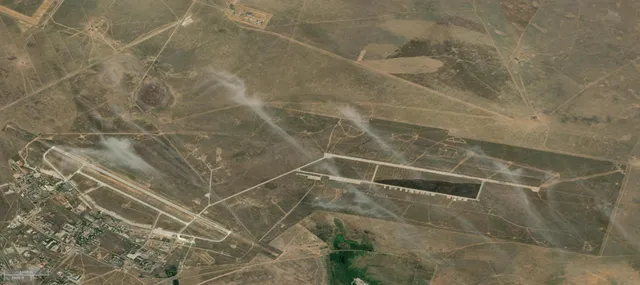
No one has said it carried out this attack yet. But Ukraine's General Staff says its forces hit a military airfield in Russia's Astrakhan region overnight, plus a site in Oryol region used to store and launch drones. And Russia hit back too — strikes on Ukraine's Odesa region overnight killed four people and wounded 69.
Russia's line is simple: the defences worked. Most of the 600 drones never got near Moscow, and the 191 that did were dealt with.
But notice what's missing. After the October attack, two deaths and a fire were confirmed within hours. This time, hours after it ended, there's nothing. No damage. No wounded. No list of targets.
So here's the real question. Did every single drone actually miss? Or has Moscow just not said yet what was hit.