Why this mattersSo why Sanaa, tonight?
Because the Houthis have been winning.
About four weeks ago, the Houthis launched an offensive against Yemen's internationally recognised government. It's turned into the deadliest fighting Yemen has seen since a 2022 ceasefire fell apart.
And they've been taking ground. They've seized the Red Sea port city of Mocha. And Mayyun Island, which sits right at the entrance to the Red Sea.
More than 146,000 people have been forced from their homes since the fighting started in July. Most of them from Taiz.
So Yemen's government has been trying to hit back.
Rashad al-Alimi runs the Presidential Leadership Council, Yemen's government. About a week ago he called for a general mobilisation of Yemeni citizens. He also offered an amnesty to any Houthi fighter who switches sides.
And there's a bigger picture here too.
Saudi Arabia, Turkiye and Pakistan signed a joint defence pact in August. All three have held meetings in the past week about the Houthi threat specifically.
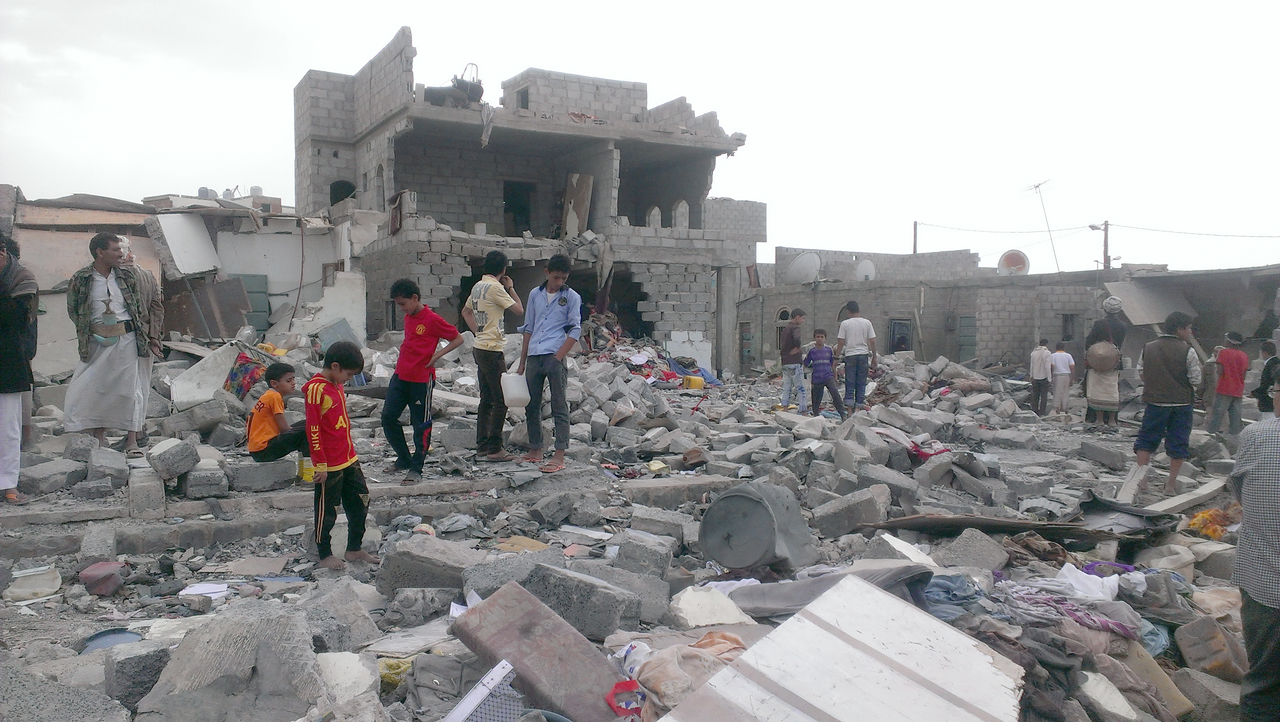
Now, Houthi state media is already calling tonight's explosions Saudi aggression, hitting Sanaa, Saada, Taiz and Amran. Iran-aligned media is reporting the same thing, attributed to Yemeni sources.
But neither of those is independent. And Saudi Arabia hasn't said a word.
So there are two possible stories here.
One: Saudi Arabia has just hit back at the Houthis for a month of advances.
Two: Yemen's own government, which just held a cabinet meeting to plan an offensive, has made the first move itself.
Neither is confirmed.
What we do know is this. Explosions just hit the same four places the Houthis used to expand their territory. On the same night Yemen's cabinet is reported to have planned how to fight back.