South Korea just started edging its navy toward the Strait of Hormuz
South Korea is sending its anti-piracy navy unit much closer to the Strait of Hormuz.
And it's bringing new gear. A submarine-hunting patrol plane. And a team trained to clear mines.
So what just happened? A few hours ago, officials at Seoul's defence ministry met and signed off on the plan. It still needs the Cabinet and the president to approve it before it goes to parliament for a vote.
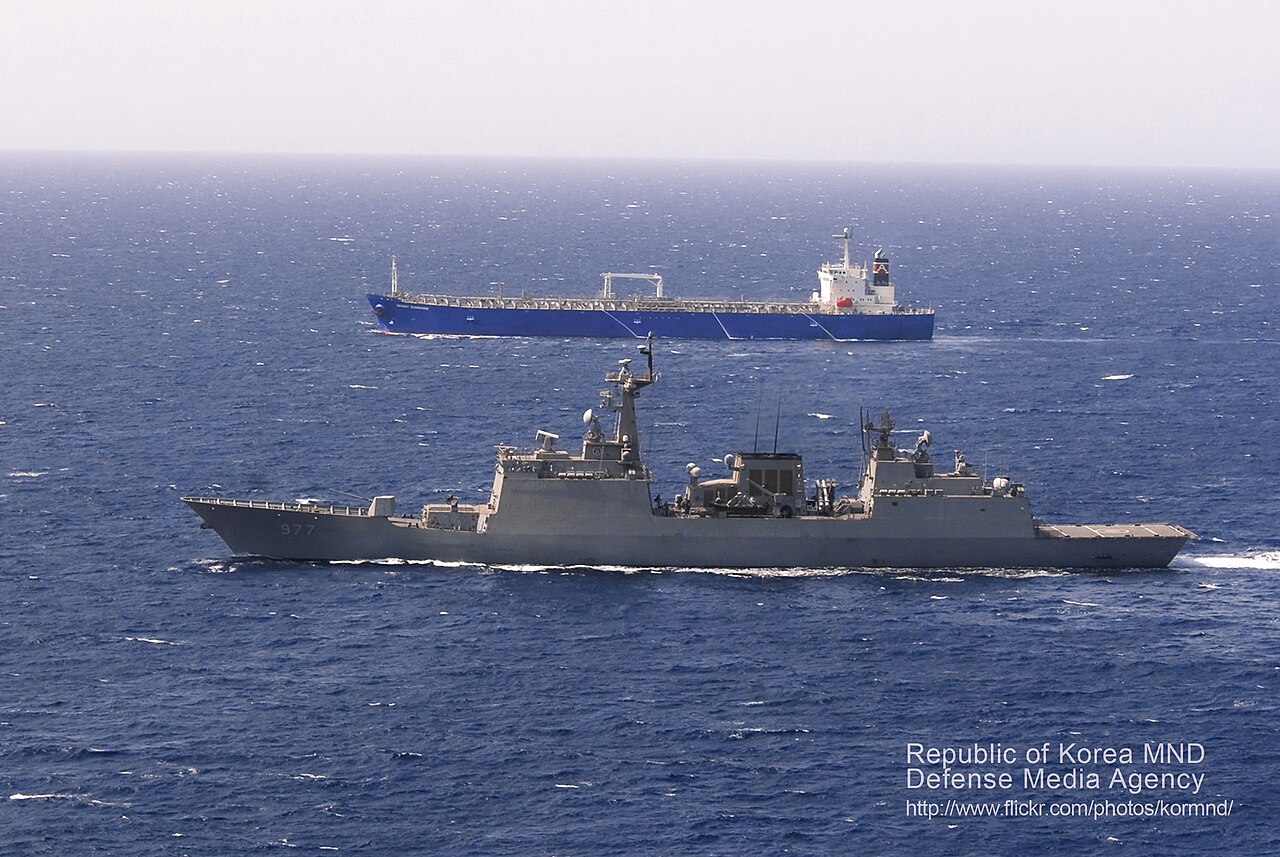
The unit is called the Cheonghae Unit. South Korea has run it since 2009, escorting cargo ships and hunting pirates in the Gulf of Aden.
Right now it's small. One destroyer. One helicopter. Up to three speedboats. About 320 people. The destroyer on duty now, the Chungmugong Yi Sun-sin, left Busan a month ago.
Under the new plan, that patrol zone stretches all the way out to waters near Duqm, a port in Oman. Duqm sits about 650 kilometres from the Strait of Hormuz.
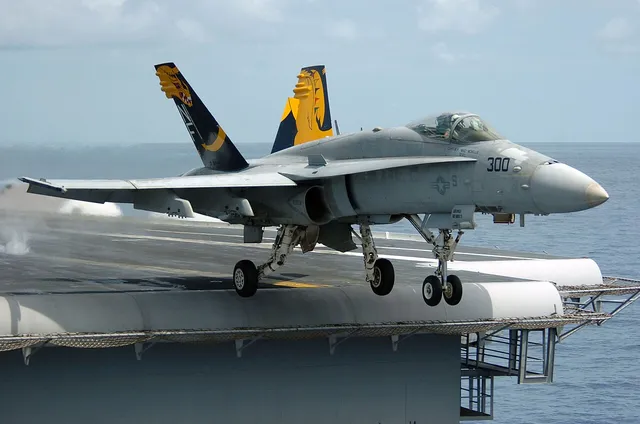
And the unit grows too. The personnel limit goes from 320 up to 395. That's 75 more people. 45 of them go to a new P-8A Poseidon patrol plane. 30 go to a new team that defuses explosives. South Korea is also sending unmanned mine-clearing gear — surface drones, underwater drones, remote-controlled robots. The plane and the mine-clearing equipment are expected to be based in Djibouti, though the exact site isn't settled yet.
If parliament says yes, the whole thing runs until 31 December 2027.
So why now? The ministry's answer is piracy. Reported attacks off Somalia jumped from 11 last year to 36 so far this year. And that pirate activity has spread toward the exact waters south of Oman the unit would now cover.
But here's the thing. The Strait of Hormuz isn't just another patrol zone.
About a fifth of the world's oil moves through it. And it's been disrupted since the US-Iran war began. South Korea gets 70% of its oil from the Middle East, and most of that comes through this one strait. A defence ministry official says the expansion is there to protect South Korean citizens and the country's economic interests.
So South Korea is being very careful about one thing: saying this is not a step into the war.
A ministry official says the unit will stay south of Oman, outside the Strait of Hormuz itself. It stays under South Korea's own Joint Chiefs of Staff, not any allied command. The patrol plane is barred from targeting or even watching Iranian territory, Iranian waters, or the inside of the strait. The official says quote "we will not participate in or intervene in the war under any circumstances".
Comments
None yetAlready a member? Log in.