Iran just told America the ball is in its court to stop a war
1 hour ago · 4 November 2026Share
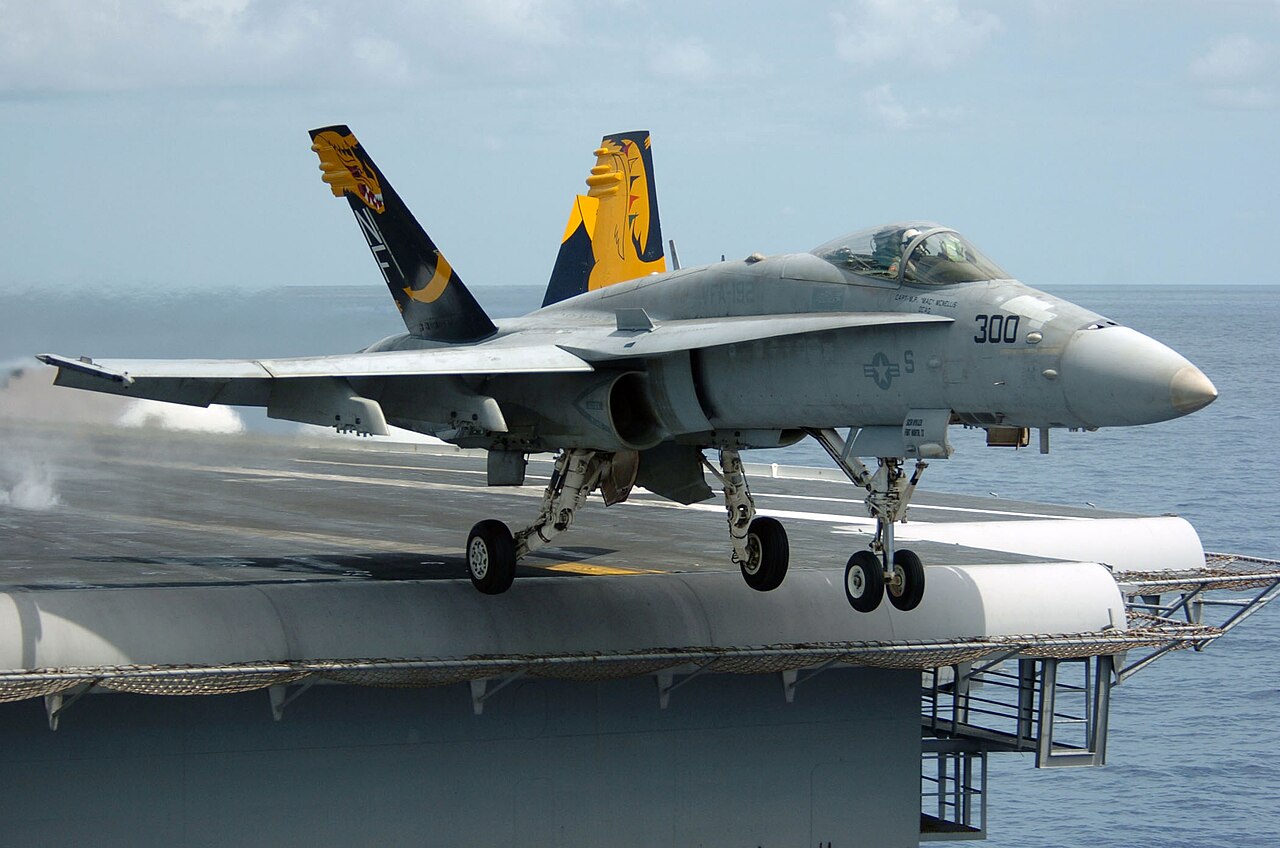
An F/A-18C Hornet launches from the flight deck of an aircraft carrier. File photo. U.S. Navy photo by Photographer's Mate 3rd Class Jonathan Chandler · Public domain
He says America is locked and loaded to hit Iran again. Then, same interview, he says there's no immediate plan to do it.
So which is it?
Let's back up. About a day ago, the US bombed Qeshm Island, in the Strait of Hormuz. A US official says it hit Iranians who'd just fired surface-to-air missiles at American aircraft. Not a new war. A response.
Trump called it a minor attack. He told Fox & Friends: they built an anti-aircraft facility, and the moment it was finished, the US hit it.
So the strike everyone's talking about already happened. Both sides have already reacted to it.
Iran's state news agency reported five explosions on Qeshm Island, one after another. Some residents say they saw two aircraft overhead. Iran's Revolutionary Guard says it shot down or captured two American drones near the island. US Central Command says that didn't happen.
Here's Trump's own words to the Financial Times. He says Washington is getting everything it wants from this standoff. He says America is ready, locked and loaded if it needs to go — but that there may be no reason for it.
Several outlets covering that same interview say he was clear about one thing. No immediate strike.
So Trump is talking tough, and ruling out acting on it. Both at once.
But there's a bigger plan sitting behind all this. The Wall Street Journal says unnamed US officials have a strike plan ready to go this week, and that Trump has leaned toward a bigger attack once the midterms are done. He hasn't decided. The New York Times separately says US Central Command has a plan ready for the day after the midterms. Some officials want to keep squeezing Iran with a blockade instead.
Neither of those reports has a name attached. Both are anonymous officials talking to reporters.
So on one side, you've got a leak about a plan. On the other, you've got the president, on the record, calling that plan unnecessary for now.
The rest of this story is for members.
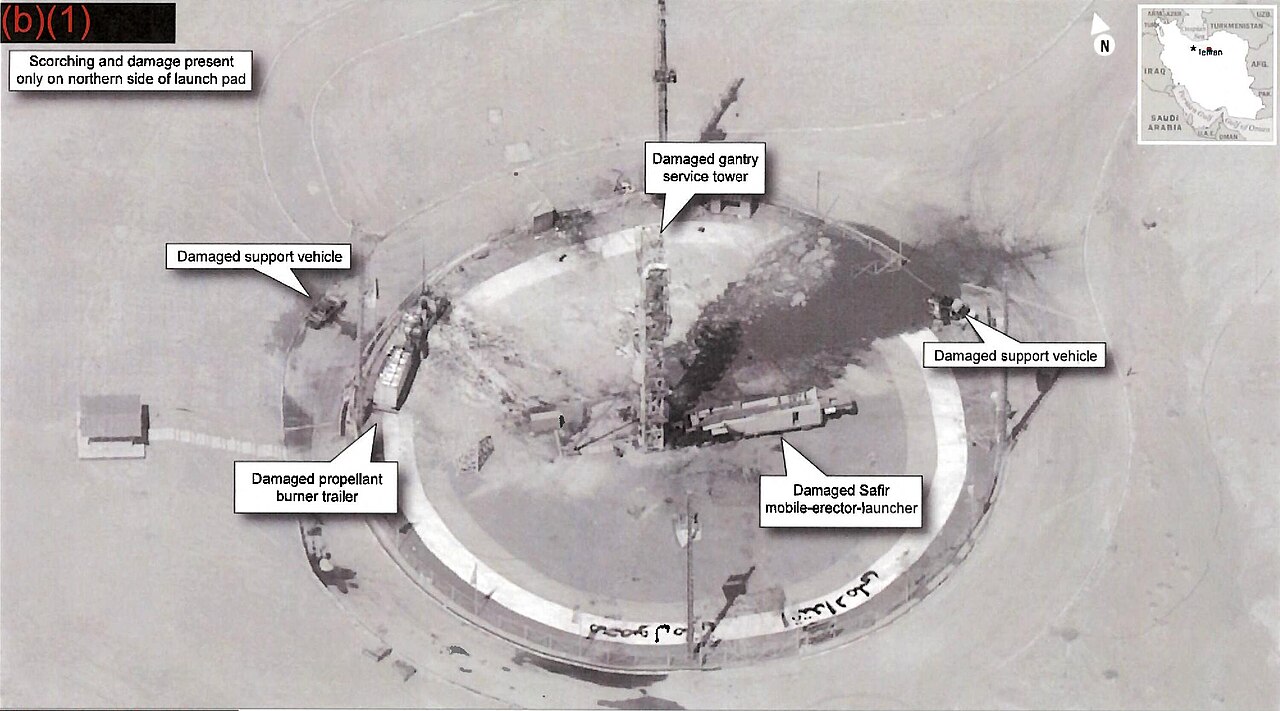
Contains declassified U.S. satellite imagery of Iranian rocket test wreckage from 2019. File photo. National Geospatial Intelligence Agency · Public domain
Iran is sending mixed signals too. Mohammad Bagher Ghalibaf is Iran's parliament speaker and its chief negotiator with the US. He went on television and said Iran is ready for battle with its finger on the trigger. He said the ball is now in America's court to prevent war. And he warned that another US miscalculation would open what he called a new battlefield, with a response he called unpredictable.
Then there's Masoud Pezeshkian, Iran's President. Different tone entirely. He says his government is still trying to solve this through dialogue. He says no one will benefit from this war if it starts again.
Pezeshkian also says Iran's Supreme Leader has given his government new power to negotiate things that used to be off the table completely. That Supreme Leader is Mojtaba Khamenei. He took the role after Ali Khamenei, the previous Supreme Leader, was killed in a US-Israeli strike at the end of February — the strike that started this war.
So one government. A warning and an offer to talk, in the same week.
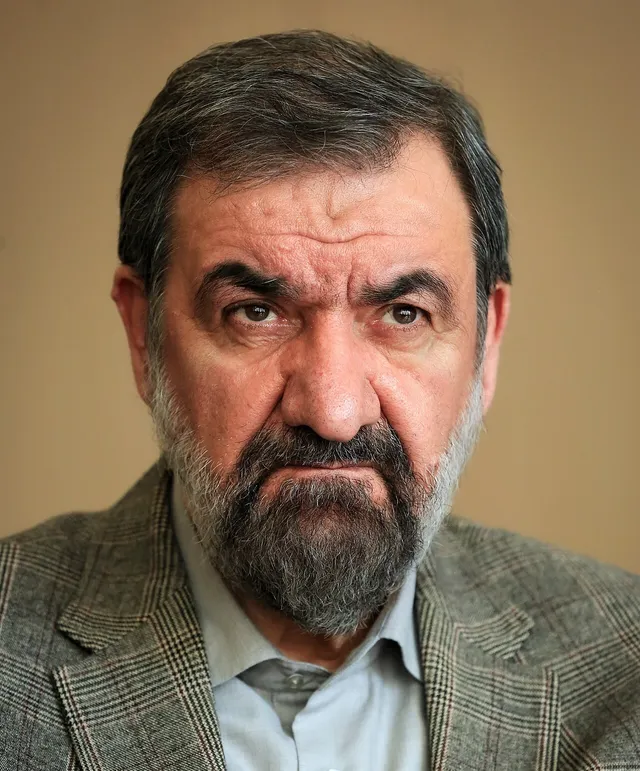
And the talks themselves are stuck. Mohsen Rezaei runs Iran's Supreme National Security Council. He says the US response to a truce offer wasn't convincing, and the Strait of Hormuz stays shut until Iran's seven conditions are met. A senior Iranian official told Reuters the two sides are still far apart on a deal. Qatar, which is hosting the talks, says both sides are reviewing proposals and still committed to the process.
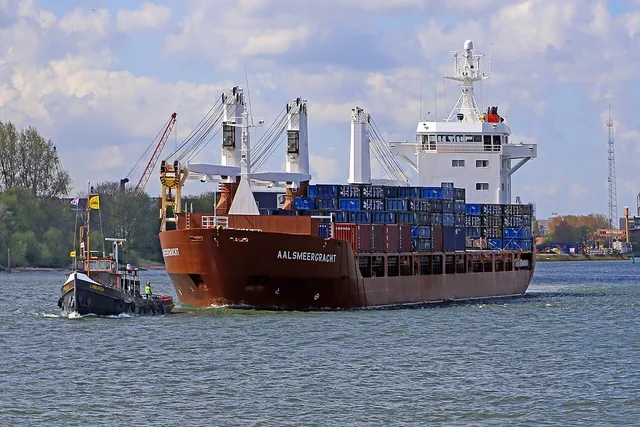
Around the same time as the Qeshm strike, two ships got hit in the same waters. An India-flagged cargo ship, the MSV Al Jusufi, was struck by an unidentified object off Oman. One crew member, Gandhar Nahim Ajij, died. Thirteen others were rescued. India's Shipping Minister, Sarbananda Sonowal, confirmed it. A separate tanker was hit by two unknown projectiles nearby, with no injuries, according to the UK Maritime Trade Operations agency.
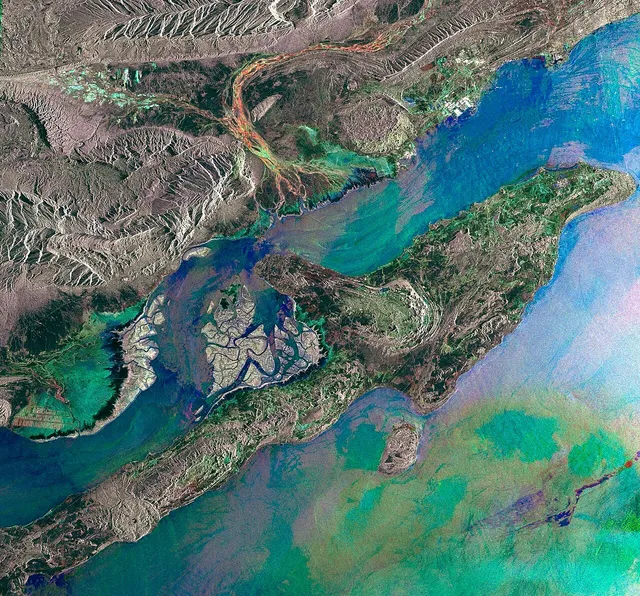
Qeshm Island matters because of what's on it. It's the biggest island in the Strait of Hormuz. It has an underground missile site, a naval base, and one of Iran's main desalination plants. This was the first US strike there since June.
Washington is reportedly restocking THAAD and Patriot missile interceptors in southern Israel fast. That hasn't been independently confirmed. Admiral Brad Cooper, who runs US Central Command, has reportedly briefed Trump on strike options built around something short and intense rather than a long campaign. Also unconfirmed.
And all of this landed in the same week as America's midterm elections. Control of Congress was on the line. The unpopular war and high fuel prices were live issues for voters, and the Qeshm strike happened in the same 24 hours as the vote.
Oil markets are reading this week as calm, not chaos. Brent crude dropped more than 8 per cent to $104.10 a barrel as hopes grew that the diplomatic track would hold.
So what don't we know? Whether Trump orders the bigger strike the leaked plans describe. Whether he holds off while Qatar's channel stays open. Whether Iran's unpredictable response actually follows if a strike comes. And whether Iran's claims about downed American drones are even true — Central Command says they're not.
Right now, the big plan only exists on paper. The only strike that's actually happened is the one Trump is calling minor.
Nothing here was paid for by an advertiser. Members are the entire business model. Bronze is where it starts, and it opens the last seven days in full.