Iran just rejected a ceasefire and threatens to bomb US bases in Europe
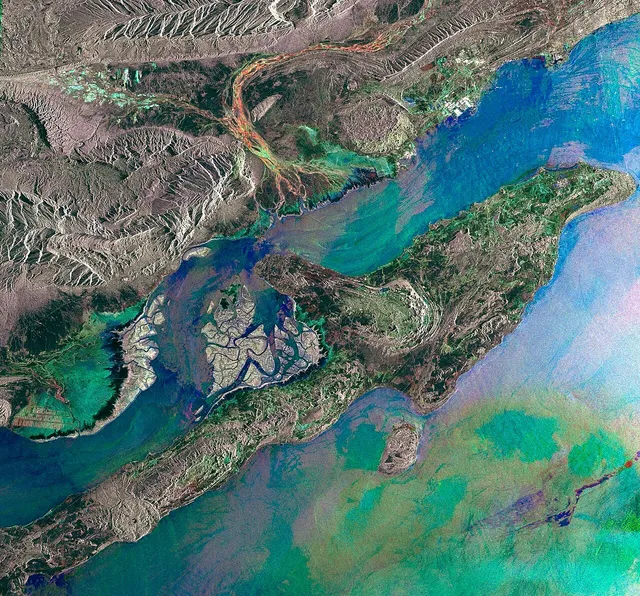
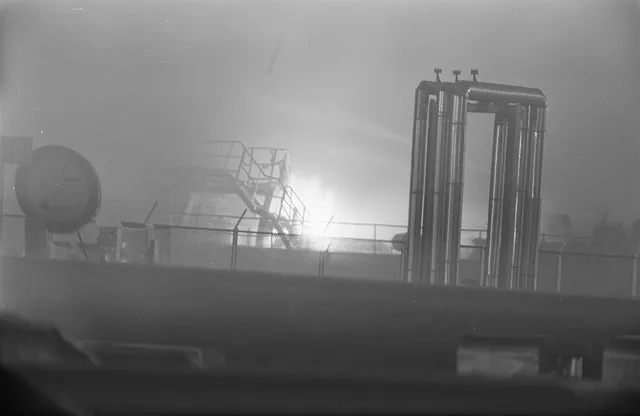
The US military just bombed Iran's Qeshm Island.
And a few hours later, Iran rejected a ceasefire offer.
US officials say the strikes were defensive. They say Iran's Revolutionary Guard fired a missile at a US aircraft first, and the US jet fired back. A separate strike reportedly hit after the US stopped a missile fired from Qeshm at a commercial ship.
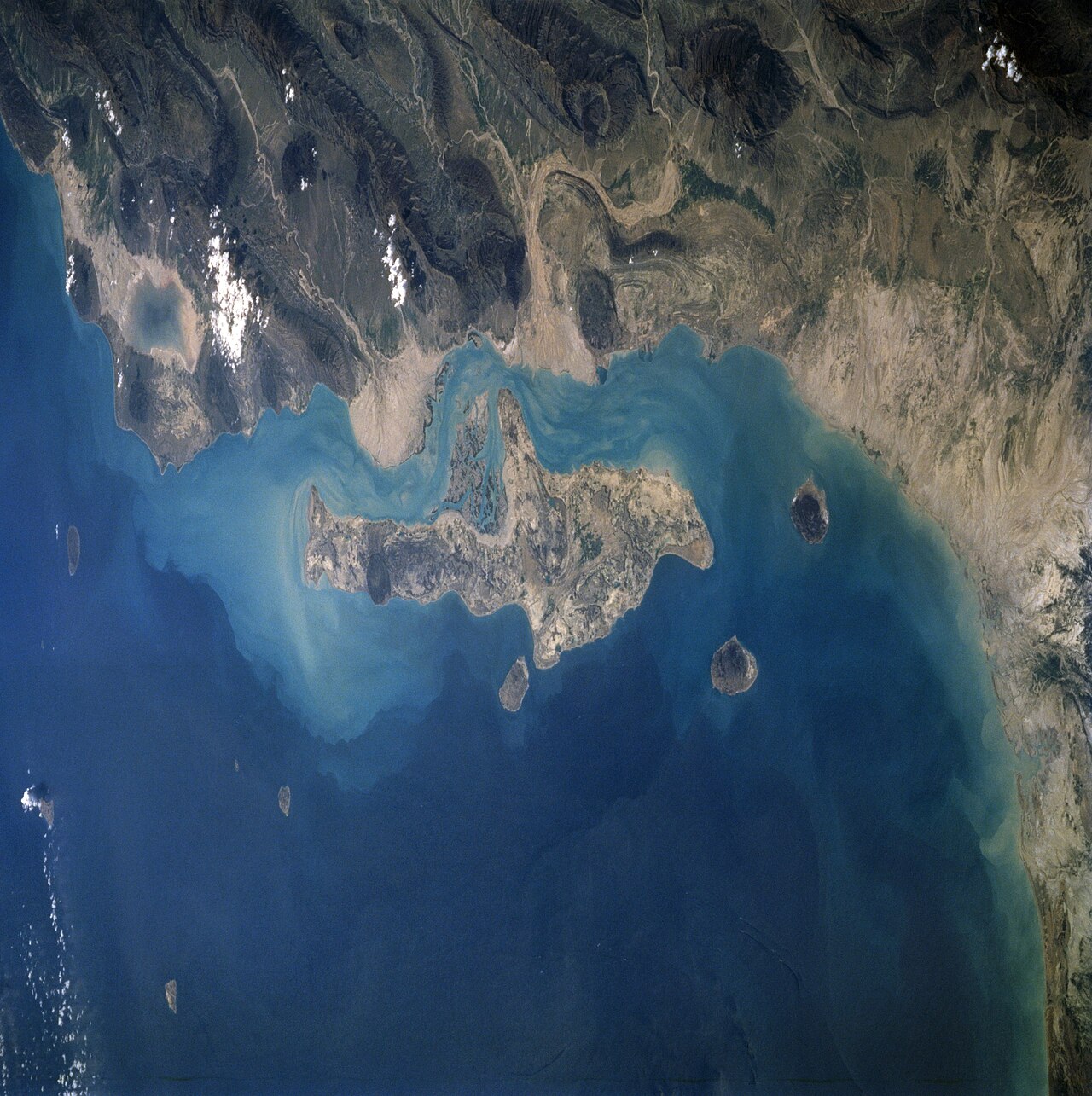
Iranian state media says there were several explosions on Qeshm Island overnight. More blasts were heard on Hengam Island, and in Bandar Abbas and Bandar Lengeh. CENTCOM has not confirmed or denied any of it. No Iranian official has confirmed a direct hit either.
The IRGC says it shot down two US drones and destroyed a third near the Strait of Hormuz. CENTCOM says that's false. None of it is independently verified yet.
That's everything we know.
So here's where the diplomacy stands right now. Not good.
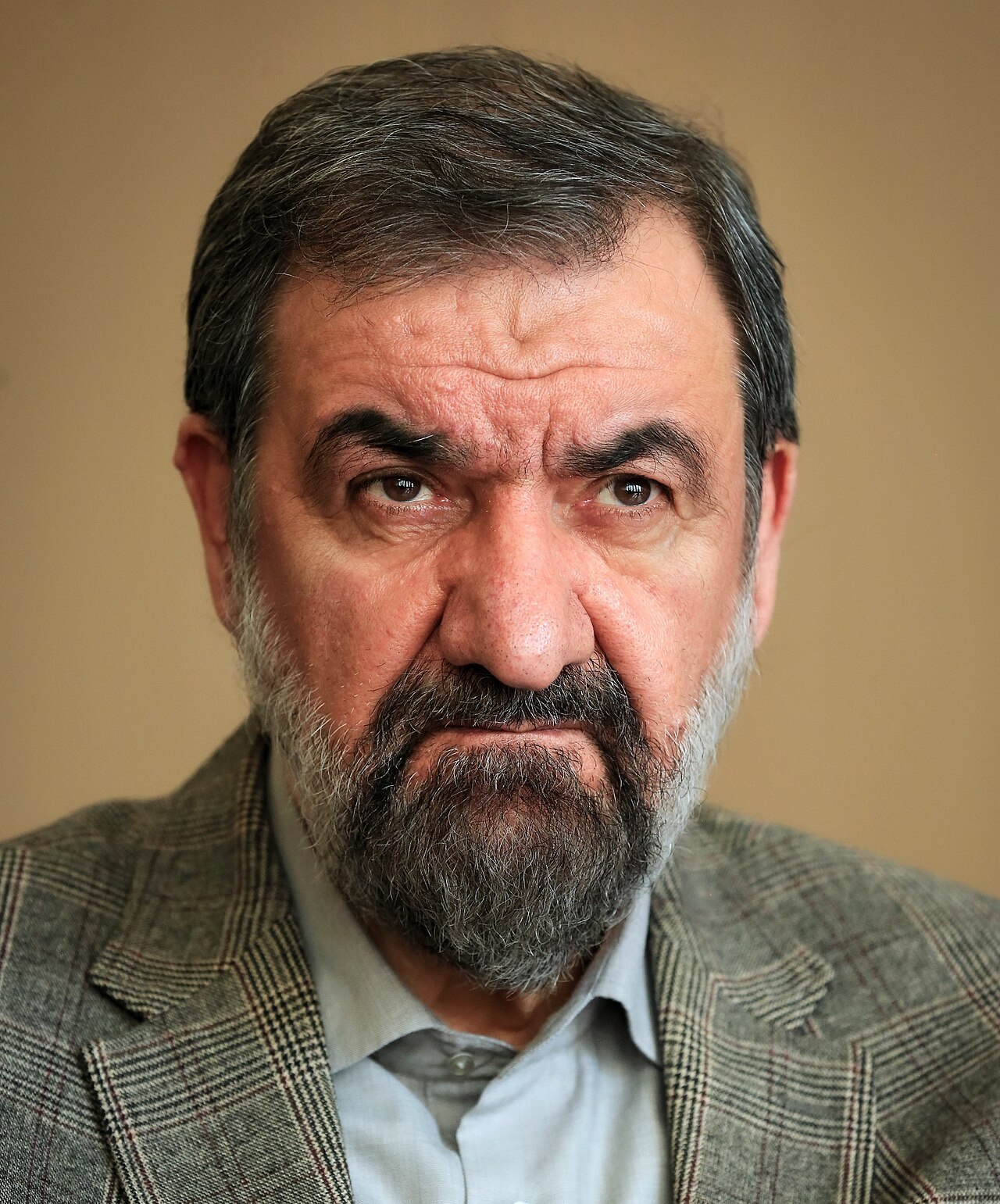
Major General Mohsen Rezaei runs Iran's Supreme National Security Council. He just rejected an offer passed to Tehran by Qatari negotiators.
He says quote "America's response to the demands of the Iranian nation was insufficient". He says the Strait of Hormuz only reopens once the US fully meets Iran's seven conditions.
That's Iran saying no, in public, hours after being bombed.
Mohammad Bagher Ghalibaf is Iran's parliament speaker. He says any US strategic error opens a new battlefield in this war. He says Iran is at its highest level of defensive readiness.
He says quote "the ball is in America's court to prevent war".
Kazem Gharibabadi is Iran's deputy foreign minister. He says Iran keeps the right to defend itself until what he calls military aggression against the country is fully over. He says Iran still considers itself at war.
Now here's the part that matters most.
Four days ago, Iran's Supreme Leader, Mojtaba Khamenei, warned that any major new attack would get a response without geographical limitations. He took direct control of Iran's Revolutionary Guard after Ayatollah Ali Khamenei died.
Ghalibaf says senior commanders met Mojtaba Khamenei last week. They settled on that exact response. No geographical limits. And Tehran decides when the fighting stops.
So what does that actually mean?
Manouchehr Mottaki is Iran's former foreign minister. Two days ago he said it means US bases in Britain, Italy, Portugal and Germany could get pulled into this war. He says if it goes further, it stops being regional. It goes extraregional.
Tehran's Hamshahri newspaper reported today that Iran has updated its target bank, planning for a scenario where US bases and support sites in Europe get hit. Nobody outside that one paper has confirmed this yet.
But there's another side to this. And it was moving just a day before the bombs dropped.
US Vice President JD Vance said he and President Donald Trump feel good about reaching a deal with Iran. He said Iran is always a little unpredictable, and that Trump still has both military and non-military options on the table.
Donald Trump wrote online that Iran wants a settlement as soon as possible, and that it could happen. He later told Fox News the Qeshm strike was a minor attack, not a war, hitting an anti-aircraft site Iran spent two months building.
Iran has its own plan too. The US ends its blockade on Iranian ports. Iran reopens the Strait of Hormuz. The US waives sanctions on Iranian oil sales. New sanctions get cancelled. Only then do nuclear talks start.
Qatar's foreign ministry says it's still hopeful. Both sides are still talking.
And here's the timing nobody can ignore. This lands on the eve of US midterm elections, with Trump's party fighting to hold Congress.
So three questions are still open. Will Iran actually hit bases in Europe? Does the US escalate, or go back to the table? And can Qatar close the gap before talks expected in Abu Dhabi on 10 and 11 November?
Nobody has answered any of them yet.
Comments
None yetAlready a member? Log in.