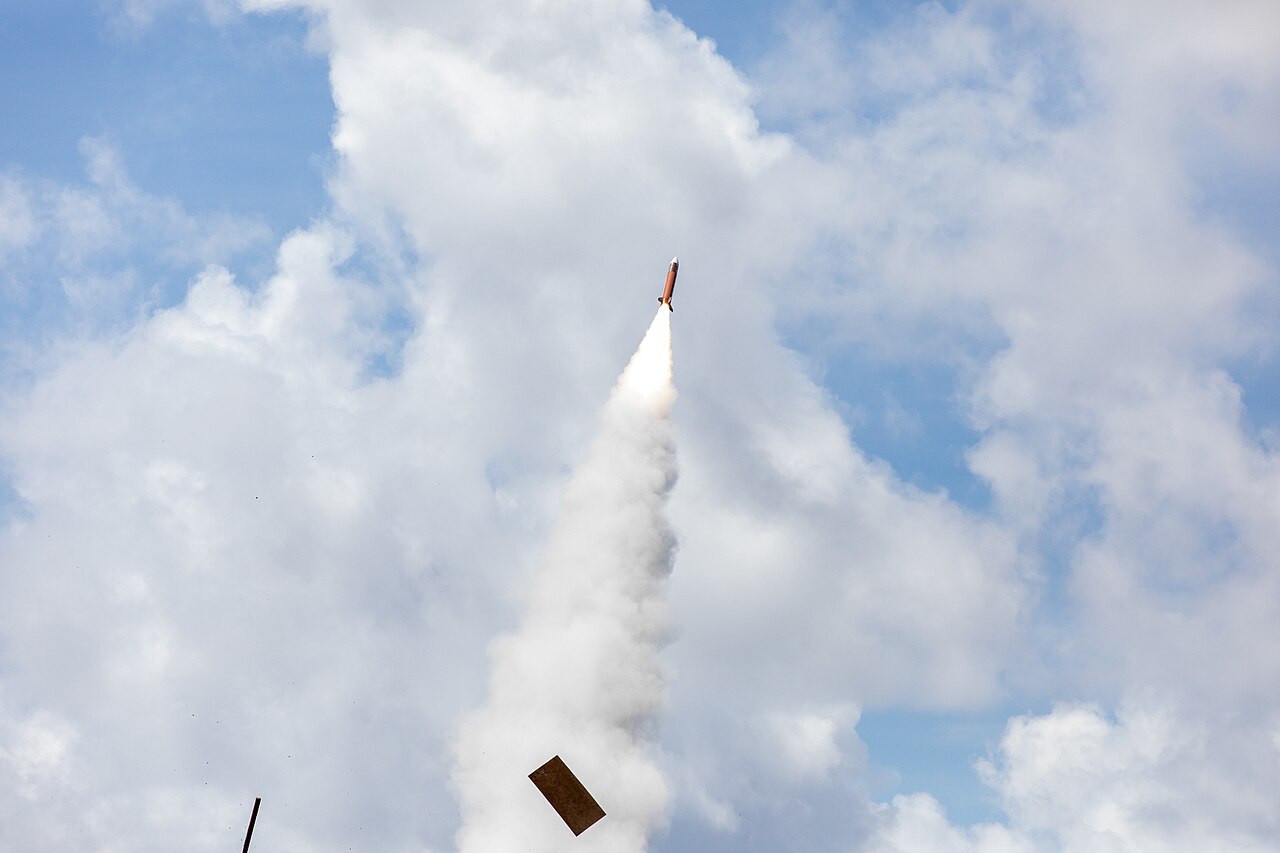
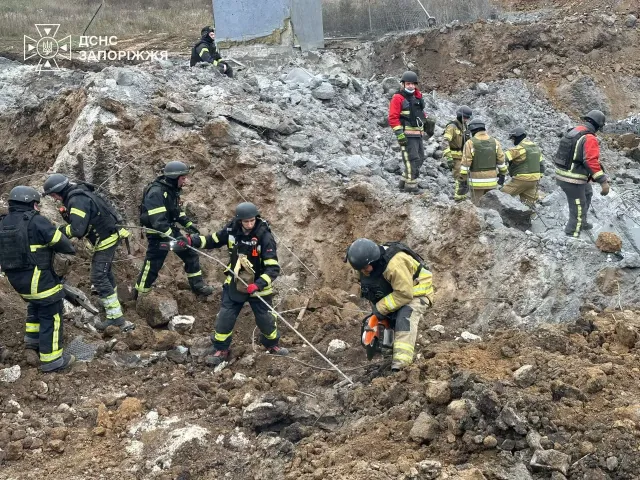
He says the missiles were destroyed in the air, but debris fell as a result, and damage assessment is under way.
Saudi civil defence even put out a danger warning for the area, then pulled it back shortly after. No word on anyone hurt. The Houthis haven't said a word.
That's everything we know.
Why this mattersSo this isn't a one-off.
Just a day before this, the Houthis fired another ballistic missile. That one was aimed at Medina. One of Islam's holiest cities.
Egypt's foreign ministry called that attempt a threat to the whole region.
Here's the bigger picture. Saudi Arabia has backed Yemen's government against the Houthis since 2015. And the last few weeks have been rough. Houthi missiles and drones keep hitting Saudi targets. Civilian sites. Airports. Energy plants.
And here's the thing about this interception. It actually proves how real the threat was.
A missile that gets blown up in the sky doesn't disappear. The pieces still fall somewhere. That's exactly why Najran is dealing with debris right now.
And there's a wider war sitting underneath all of this. America and Iran have been fighting since the end of February. That war has already messed with shipping through the Strait of Hormuz. On this very morning, Iran's Revolutionary Guard said two oil tankers caught fire in that same strait.
Now, the Houthis are their own group, not Iran's forces. But they're widely seen as aligned with Tehran. And their attacks on Saudi Arabia keep landing right alongside this bigger fight.
The coalition calls them a terrorist militia. The Houthis haven't responded to this specific strike, and they haven't said what they were actually aiming at.
So here's what we don't know. How bad the debris damage really is. What kind of warheads those missiles carried. And whether this is a one-off, or the start of something bigger.
For now, Saudi Arabia says its defences held.
Whether the Houthis see it that way, nobody outside Sanaa can say.