Somalia's top court just declared its own government illegal
1 hour ago · 5 November 2026Share
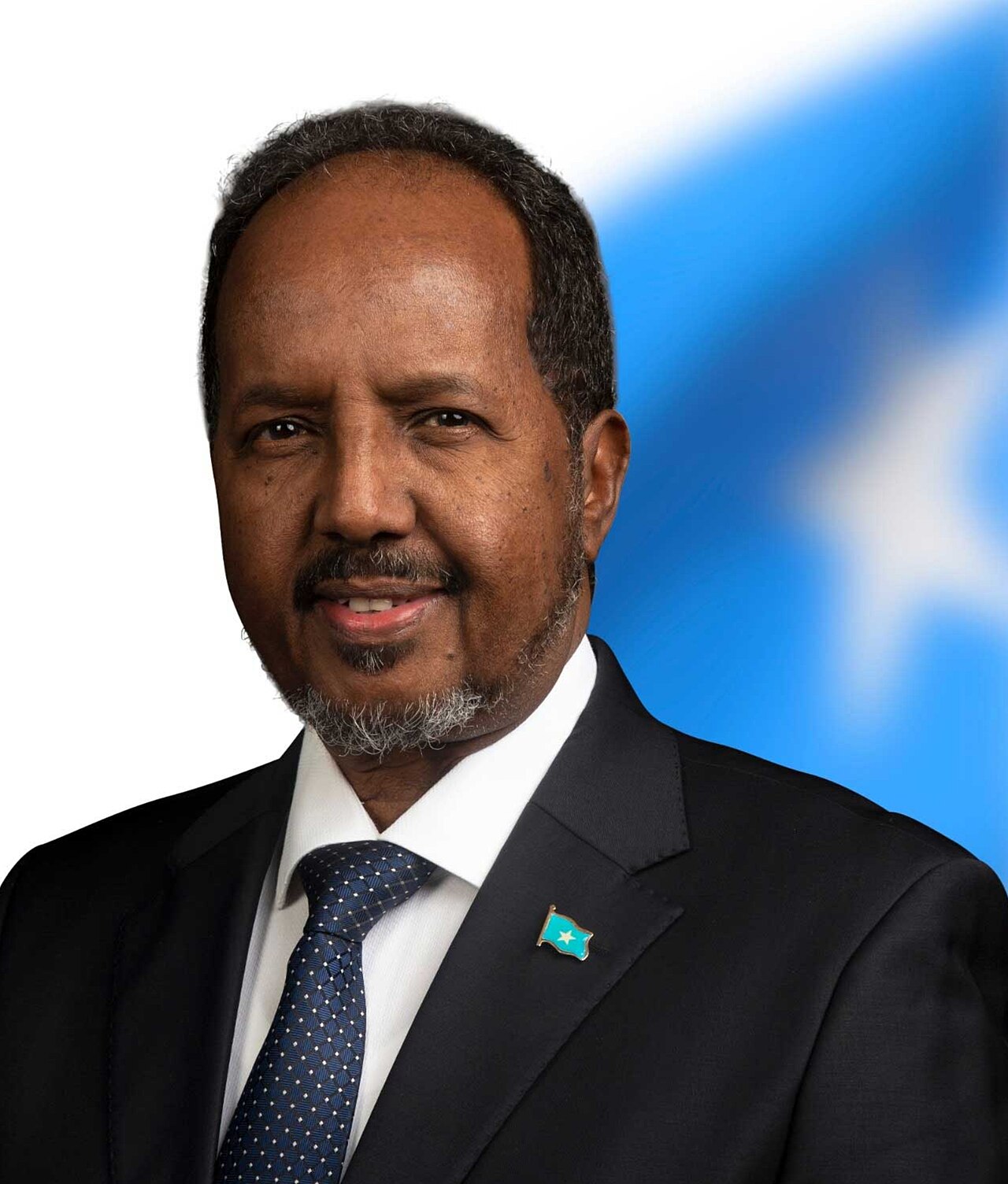
Official portrait of President Hassan Sheikh Mohamud of Somalia, 2022.Villa Somalia · Public domain
Somalia's top court just ruled the president overstayed his welcome.
And a day later, the president tried to fire the judge who said it.
So here's what happened. Somalia's Supreme Court says Hassan Sheikh Mohamud's one-year extension of his own term is unlawful. The ruling says his real term ended back on 15 May this year, and he should have already left office.
Five judges signed it. The Constitutional Division in Mogadishu, led by Justice Salah Sheikh Ibrahim Dhiblawe.
The case came from Sheikh Sharif Sheikh Ahmed, a former president of Somalia himself. He challenged two things: the constitutional changes behind the extension, and the extension itself. The court said he couldn't challenge the changes. But it agreed with him on the extension.
So how did Mohamud get the extra year in the first place?
Back in March, Somalia's parliament voted to stretch the presidential and parliamentary term from four years to five. Opposition parties and regional leaders boycotted that vote. Then Mohamud's government declared a transition period, using the new five-year term to buy him another year in office. Nationwide elections got pushed to April or May next year.
The court just said that doesn't work.
It ruled the five-year term doesn't apply to Mohamud's current term at all. His term was always running under the old four-year rule. Which means it expired on 14 April this year. And so did the mandates of both houses of parliament. And the federal government itself.
Then the court went further. It declared everything these institutions have done since 14 April is unconstitutional, unlawful, and void.
That is about as harsh as a court can get with a sitting government.
And this isn't the first time this fight has turned ugly. The extension dispute already sparked clashes between government forces and opposition fighters in Mogadishu earlier this year.
But Mohamud moved first.
Late the night before the ruling came out, he announced he was firing the chief justice, Bashe Yusuf Ahmed. He replaced him with Ibrahim Idle Suleiman, a man who already served as chief justice once before, and who has been Mohamud's special legal adviser since he returned to power in 2022.
The rest of this story is for members.
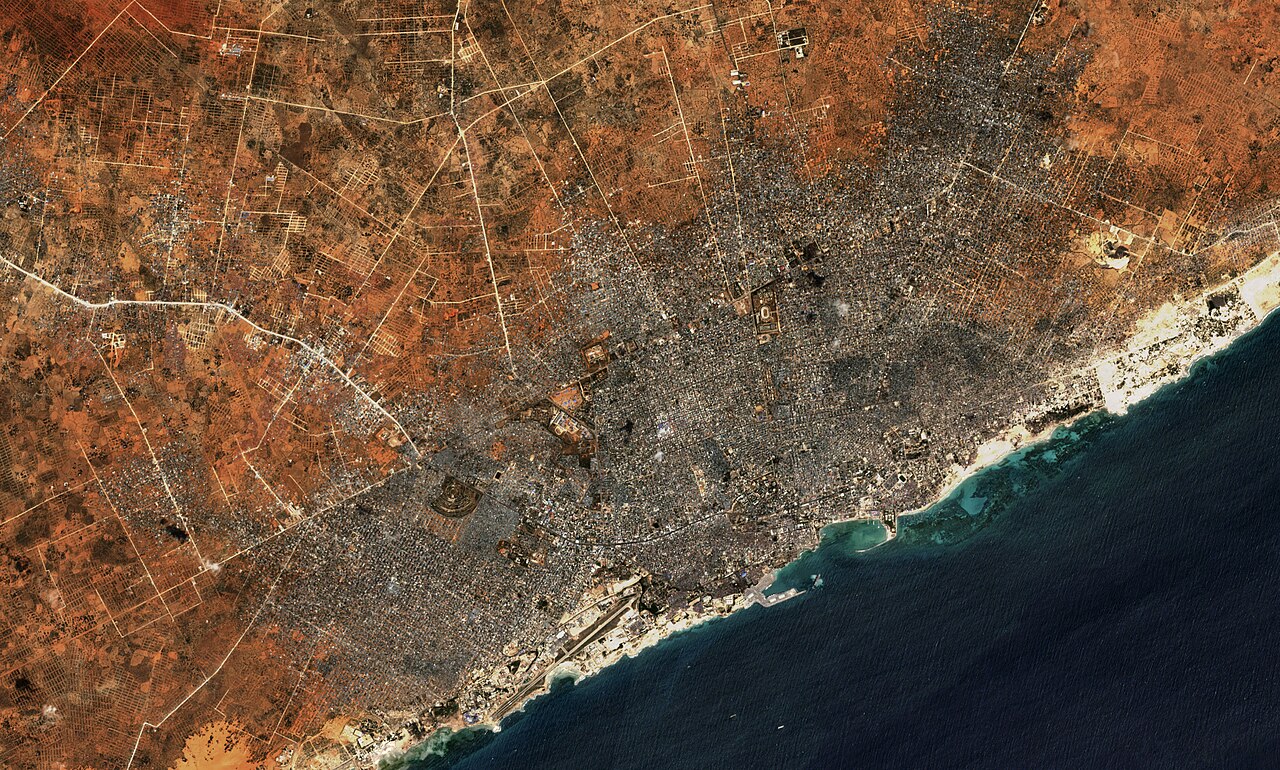
Contains modified Copernicus Sentinel data showing Mogadishu, Somalia, the country's capital where these political events are unfolding. SentinelHub · CC BY 2.0
The presidency's statement, posted on Facebook, said the dismissal came from concerns about an efficient, fair and impartial judiciary. It never mentioned the constitutional case at all.
But the Supreme Court says that's exactly what this was about.
In its own statement today, the court declared the dismissal null and void. It said the move was meant to get in the way of justice in the case sitting in front of it.
Somalia's Supreme Court says quote "the dismissal announced in the statement published on the Presidency's Facebook page is null and void."
The court backed that up with the constitution itself. It pointed to Article 135, which says a chief justice can only be appointed after the Supreme Judicial Council nominates one and parliament approves it. And Article 138(4), which says removing one needs exactly the same steps. The court says there is no provision anywhere giving the president the power to sack the chief justice alone.
So now there are two men who think they're Somalia's chief justice. And two institutions who think they get the final say.
There's a possible reason for the timing. Unnamed people say Bashe Yusuf Ahmed was expected to travel to Mogadishu this weekend to deliver the court's ruling in person, and that removing him first was meant to stop that happening. Neither the presidency nor the court has confirmed this.
Bashe's own record might explain why he was a target. His court had already annulled Galmudug's regional parliamentary and local elections from 30 July, and ordered a rerun.
There have also been unconfirmed reports that Bashe was under arrest today. None of this has been independently verified.
Here's some context worth knowing. Somalia hasn't held a direct national vote since the late 1960s. Since the state was rebuilt in 2012, its leaders have been chosen by clan elders and political elites, not ordinary voters. That's what made the promise of nationwide elections next year such a big deal in the first place.
Mohamud hasn't said whether he'll accept the ruling, or accept that his chief justice pick has been blocked.
So the Supreme Court has effectively told the president, the parliament and the government that none of them have had the legal authority to govern since April.
And nobody in Mogadishu has answered the one question that actually matters now: what happens if Mohamud just refuses to go.
Nothing here was paid for by an advertiser. Members are the entire business model. Bronze is where it starts, and it opens the last seven days in full.