Saudi Arabia just refused to rule out building nuclear weapons
US intelligence just told Congress something big.
Saudi Arabia has not ruled out building nuclear weapons.
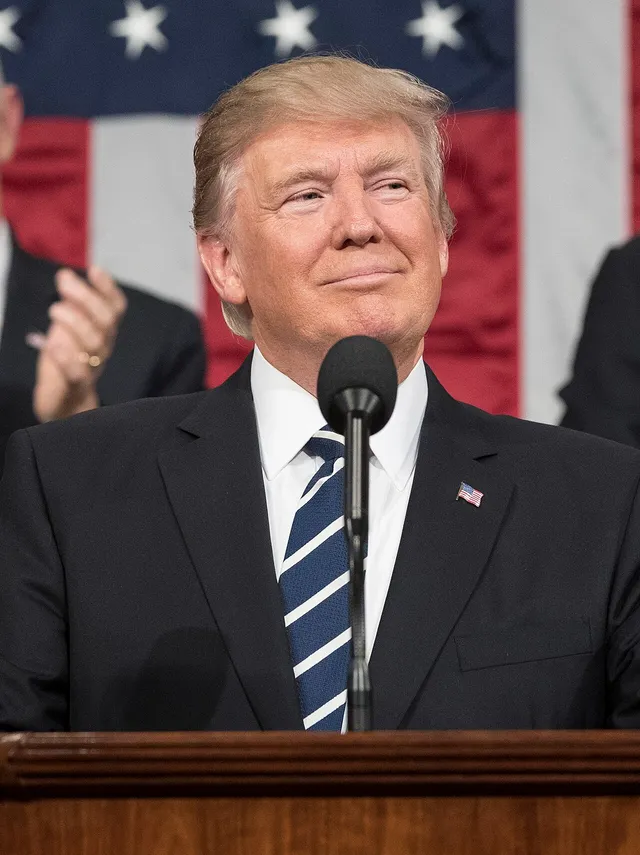
And that finding just landed inside Congress's own review of Donald Trump's nuclear deal with the kingdom.
So here's the timeline. Classified documents reached Congress last month. The Washington Post reported the intelligence community's conclusion a few hours ago.
And the timing could not be worse for the deal.
Back in July, Donald Trump approved a deal to help Saudi Arabia build a civilian nuclear programme. Chris Wright, the US Energy Secretary, and Prince Abdulaziz bin Salman, Saudi Arabia's Energy Minister, signed it on 22 July. It runs for 30 years. It opens the door to tens of billions of dollars of American-built nuclear projects in Saudi Arabia. Congress has 90 days to review it. That window is still open right now.
So what does the intelligence assessment actually say? Not that Saudi Arabia is building a bomb. Not when. Not how close. Just that the kingdom has not ruled the option out.
But here's the part that makes this messier. The same documents include a second view. The State Department sent its own classified assessment alongside it — and that one sounds far more confident in the deal's safeguards and in Saudi Arabia's word.
So two parts of the same government read the exact same deal completely differently.
Now here's why that gap matters. Look at what the deal actually allows. Saudi Arabia can enrich uranium up to 5% at first. After a further study and a written agreement, that limit can rise to 20%. And 20% can be pushed on to weapons grade fairly quickly. The Wall Street Journal reported those limits first.
And there's something missing from the deal entirely. Saudi Arabia does not have to sign the International Atomic Energy Agency's Additional Protocol. That protocol is what lets IAEA inspectors check every stage of a country's nuclear fuel cycle and its research sites. Without it, inspectors have no guaranteed way to check a site Saudi Arabia never even declares.
Twenty nuclear nonproliferation experts, including Hans Blix, a former head of the IAEA, wrote to Congress this week. Their warning: the inspection terms could make it hard to catch secret weapons work at an undeclared site.
A group of Democratic senators, led by Ed Markey of Massachusetts and Jeff Merkley of Oregon, wrote to Marco Rubio, the Secretary of State, on the same day the Post's story ran. Their letter says the deal is quote "all but certain to allow Riyadh to acquire the means to enrich uranium and possibly develop nuclear weapons".
Ed Markey said any action taken in Saudi Arabia would only speed up a wider nuclear arms race in the region.
Comments
None yetAlready a member? Log in.