That's everything we know.
Why this mattersSo is this the first time the Houthis have gone for Riyadh? No. Not even close.
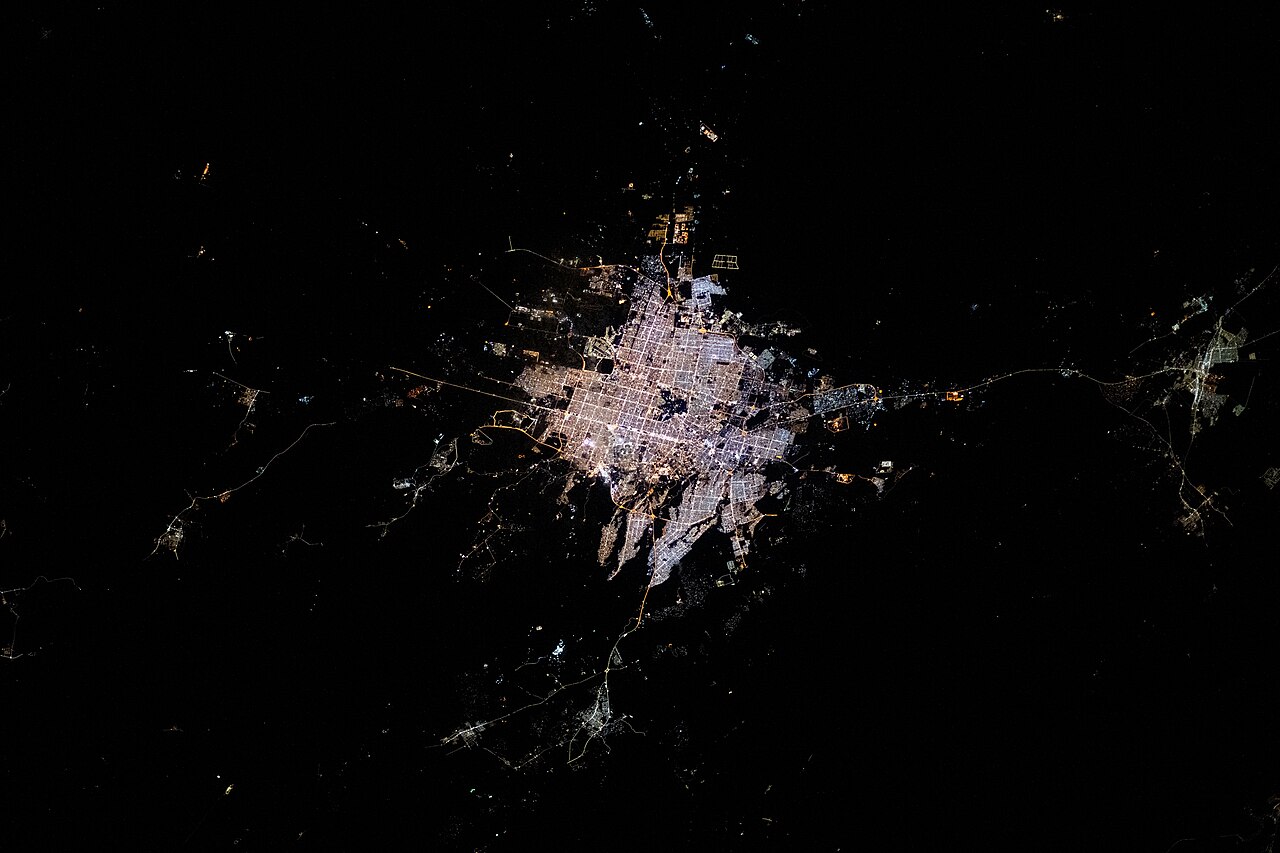
A week ago, on 19 September, they fired a ballistic missile straight at the Saudi capital at dawn. Coalition air defences say they intercepted that one too. But residents near King Khalid International Airport saw black smoke rising from a fuel storage area. And the Houthis said, with no evidence, that they'd hit sensitive sites in Riyadh and an Aramco facility in Yanbu. Aramco has never said either way.
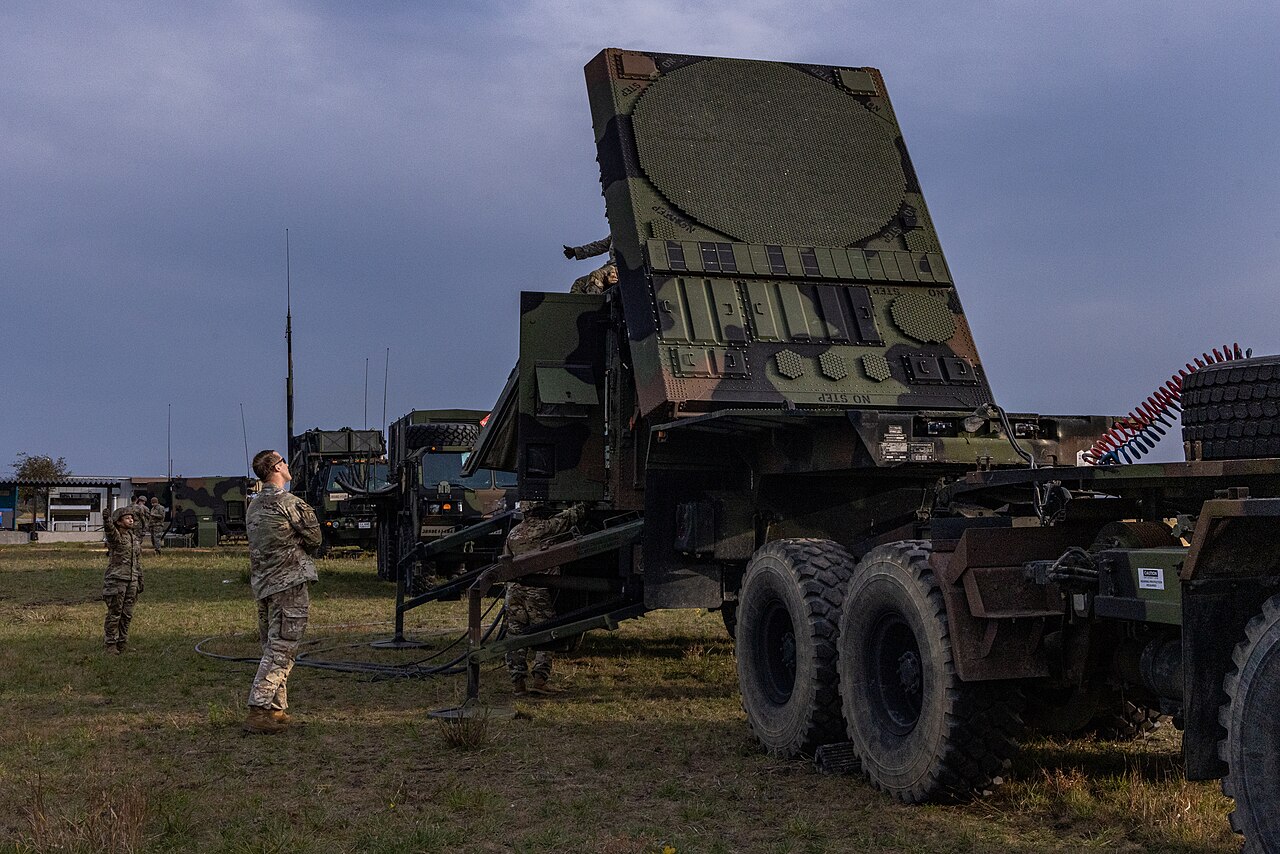
Then two days ago, on 24 September, the coalition says it shot down six ballistic missiles heading for Taif and the port of Yanbu. Hours later the Houthis said they'd hit a sensitive target in Riyadh and Aramco sites in Yanbu again. A Greek-operated Patriot system in Yanbu shot down a missile and a drone that same day.
So count them up. This is at least the third reported attempt on Riyadh in a week.
And every single one has been intercepted, so far.
But here's the problem underneath all of this. Saudi Arabia is running low on missile interceptors. That's according to Associated Press sourcing, not confirmed elsewhere. Still, it lines up. Three attacks in a week is a lot of interceptors.
Saudi Arabia has already asked France, Britain, Pakistan and Egypt for help with air defence.
Why is this happening at all? The Houthis declared a naval blockade against Riyadh back in July. Since then they've hit Saudi cities, energy sites and ships in the Red Sea, again and again. One person has already died in this campaign — a Yemeni resident of Saudi Arabia, killed by debris from an intercepted drone.
And America isn't stepping in. Donald Trump has turned down Saudi requests for direct US military help against the Houthis. Marco Rubio, the US Secretary of State, said three days ago that Washington will stand by its defence commitments to Saudi Arabia. But a written pledge is not American jets over Riyadh.
Saudi Arabia does have one more card. It signed a mutual defence pact with Turkey and Pakistan last month. Neither country has shown much interest in actually fighting yet.
The Houthis say every strike is payback for Saudi bombing on Sanaa. Saudi Arabia says its defences are holding.
Nobody can say how long that holds if this keeps happening every few days.