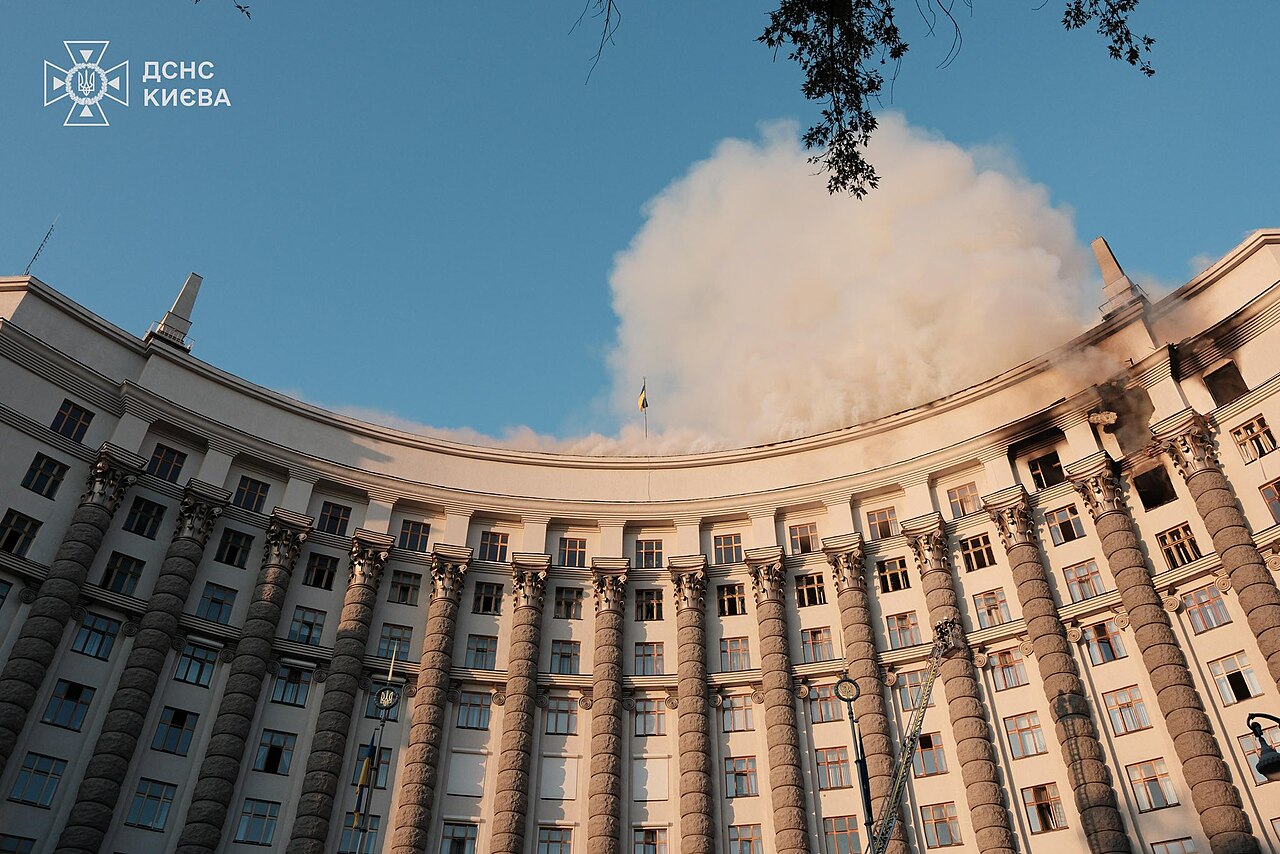
Russia has just hit Kyiv and the region around it with one of its biggest strikes in weeks.
Ukraine's air force says Russia fired 188 drones tonight, 86 of them jet-powered. Plus Zircon, Onyx and Iskander missiles.
Ukrainian air defences shot down or jammed 5 missiles and 155 drones.
At least five people are dead nationwide, including a child. 14 are injured. That's according to Prime Minister Serhiy Koretskyi.
A child died in Vyshhorod, in Kyiv region. Rescuers found the body under the rubble of a destroyed home. A man with head wounds and a woman with a leg injury were pulled from the same rubble alive. Kyiv's city authorities separately say at least two people were killed in the capital itself, with several more hurt.
Debris landed on the grounds of a Western embassy in Kyiv. That's according to Vitali Klitschko, the city's Mayor. In Bucha, three homes, 11 vehicles and two warehouses were damaged.
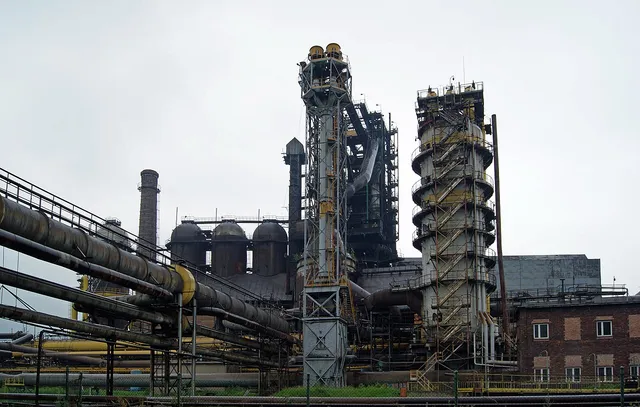
Ukraine's Prime Minister says energy sites were hit in Kyiv and other regions. A substation near Nalyvaikivka. The Kyiv hydroelectric plant in Vyshhorod. The Trypilska thermal power plant. A storage site in Horenychi.
But Kateryna Pop, from the Kyiv City Military Administration, says no damage to Kyiv's energy infrastructure has been officially confirmed yet.
DTEK, Ukraine's largest private energy company, says its infrastructure was damaged. It has already restored power to 8,000 customers on Kyiv's left bank.
That's everything we know.
The rest of this story is for members.
Why this mattersSo why does this one matter more than the others?
Because this is being called the most intense combined strike on Kyiv's power system since the end of last winter's heating season. And it's landing right as the next one starts.
Prime Minister Serhiy Koretskyi says there has been almost no day since summer without an attack on Ukraine's energy infrastructure.
So this isn't a one-off. It's the biggest round yet of a months-long campaign against the grid.
And the timing is everything. Ukraine is heading into winter. That's when heating and electricity matter most. Russia has used this same tactic before, in past winters. Hit the power stations. Hit the substations. Leave people in the cold and dark. Pressure the government through its own population.
There's more. Two days ago, a Russian daytime strike on Kyiv killed at least eight or nine people. More than 80 were wounded. The National Academy of Sciences building was among the targets. Kyiv's Military Administration says 12 people have been killed and around 200 injured in the city over the past week alone. And the night before that, on 29 September, missiles and drones hit Kyiv again, wounding one person.
Three nights and days of attacks on the same city in a row. That's a real jump in pace.
Even Poland felt it. Two airports there, Lublin and Rzeszow, briefly closed during the attack. Polish authorities called it military aviation activity. That's how far this reached beyond Ukraine's own borders.
Russia's Defence Ministry says its forces hit a communications centre in Kyiv, energy facilities supporting military production in the Kyiv region, and infrastructure at the port of Izmail. Russian state news agency TASS says the Trypilska plant and a substation were hit. Kyiv officials haven't confirmed that.
So there's a real gap between what Ukraine's national government says was hit and what the city has actually verified.
Which leaves two open questions. How much of the energy system is really damaged. And whether it can be fixed before the cold sets in.
Neither one has an answer yet.