Why this mattersSo why does this matter so much?
Because of where it happened.
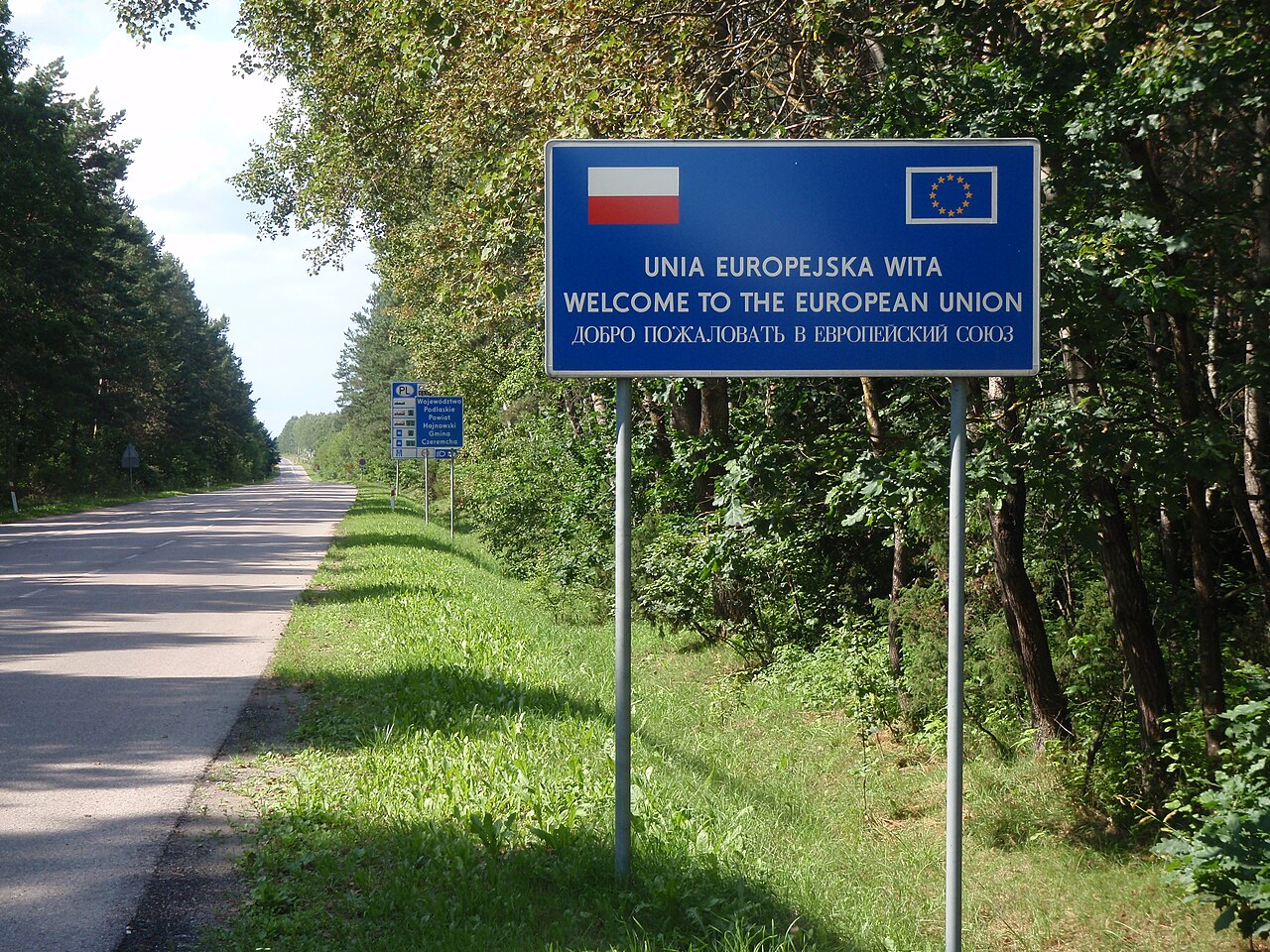
Poland is NATO's biggest member on the alliance's eastern edge. And it sits right next to Kaliningrad and right next to Belarus. Both are Russian partners.
So a confirmed incursion here isn't just a Polish problem. It's a NATO problem.
And this didn't come out of nowhere.
Tusk has spent months warning that Russia might be building up to a bigger hybrid attack on a NATO country. He says the intelligence comes from NATO, from Ukraine, and from American services including the CIA.
Last month, NATO's top military commander in Europe, General Alexus Grynkewich, flew to Warsaw. He warned Poland things could escalate.
This week, Tusk went further. He said Poland had received more precise intelligence that sabotage attacks, even an incursion by armed people, could happen in the first half of November.
So Poland moved. More police. More military. More border guards, into the two regions next to Kaliningrad. Poland's police chief, Marek Boron, said the extra forces were there to fight sabotage.
Then guards reported movement at the border overnight.
It landed exactly inside the warning Poland had already given itself.
Tusk says the escalation isn't going to stop here.
Russia hasn't directly answered this incident. Its embassy in Warsaw called Polish sabotage warnings fake news, but it said that before this incident was even announced.
Tusk has also pointed at a separate dispute at home, accusing Russia of stirring instability in Poland's political system. That's a different story. What matters here is that Tusk sees this border incident as part of a bigger pattern.
So here's the real question. Were these people connected to Russia at all? And if they were, were they testing Poland's border, or testing how fast Poland would react?
Nobody has answered that yet.