Pakistan and Turkey are about to decide whether to fight Saudi Arabia's war
1 hour ago · 2 October 2026Share
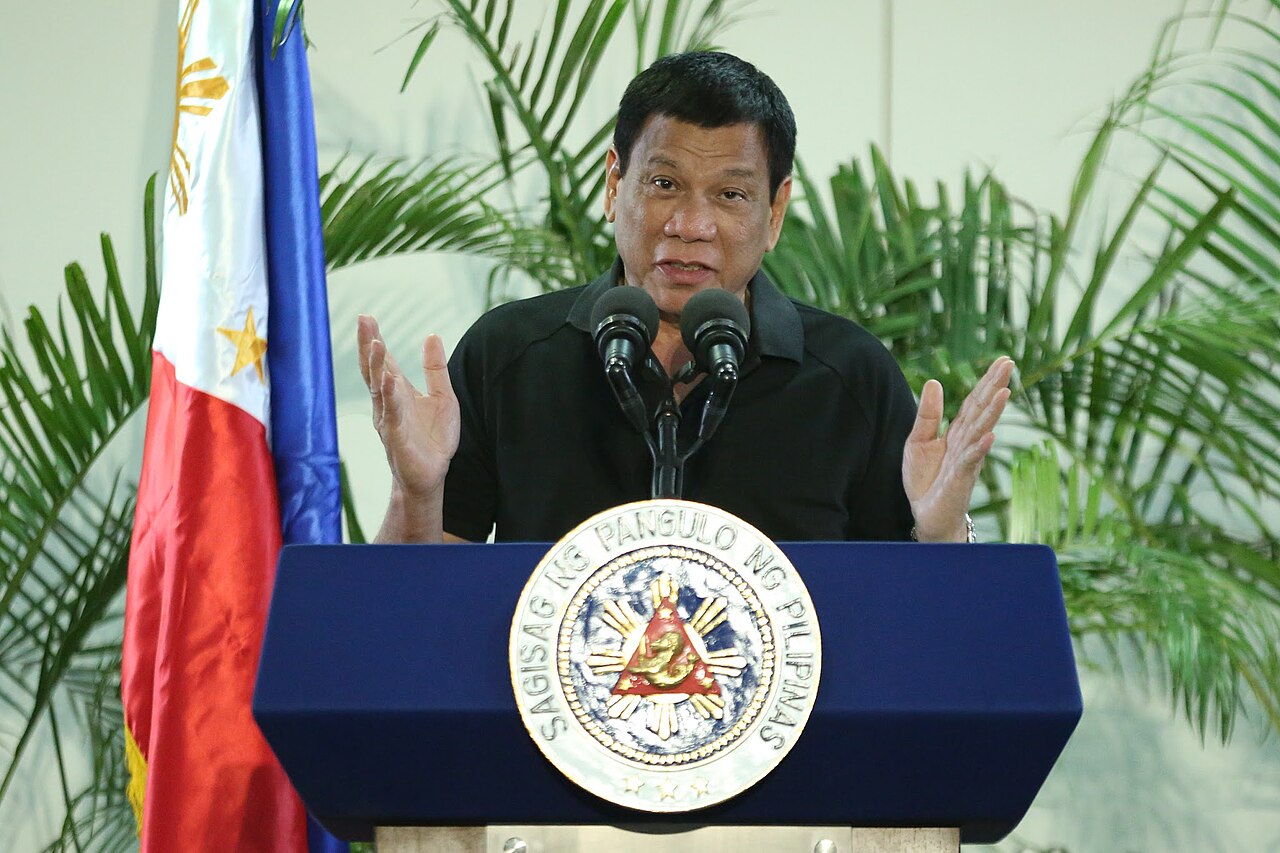
President Rodrigo Duterte warns government officials engaged in corrupt practices in a news conference at the Francisco Bangoy International Airport in Davao City on September 30.PCOO EDP · Public domain
Pakistan, Turkey and Saudi Arabia are about to sit down together for the first time since they promised to go to war for each other.
Two months ago, the three countries signed a pact. One line, simple as that: hit one of us, and you've hit all three.
Now Ishaq Dar, Pakistan's Deputy Prime Minister and Foreign Minister, says that pact is about to be tested.
He said a few hours ago that the Strategic Political Defence Committee under the Makkah Joint Defence Agreement will meet soon in Riyadh. The exact date isn't fixed yet. But the subject is: what to actually do about the Houthis.
So who's in this committee? Each country's foreign minister, defence minister and chief of army staff. In other words, exactly the people who'd decide on military action, sitting in one room.
And here's the thing. This isn't the pact's first meeting.
The committee already met once, in Istanbul, about a month ago. They agreed Pakistan would run the pact's secretariat for three years. They appointed a retired Pakistani general, Nauman Mahmood, as the first secretary general.
Then, about a week ago, the three countries' military chiefs met in Riyadh. They condemned Houthi attacks on Mecca and on civilian and economic sites. Their foreign ministers had already met just before that, on the sidelines of the UN General Assembly in New York.
So the machinery is all there. What's missing is action.
Despite that mutual-defence clause, Pakistan and Turkey have not carried out a single military strike on the Houthis. As of a week ago, the pact still hadn't been triggered. Nobody outside the room knew what Turkey and Pakistan were actually willing to do.
This new meeting is why.
The rest of this story is for members.
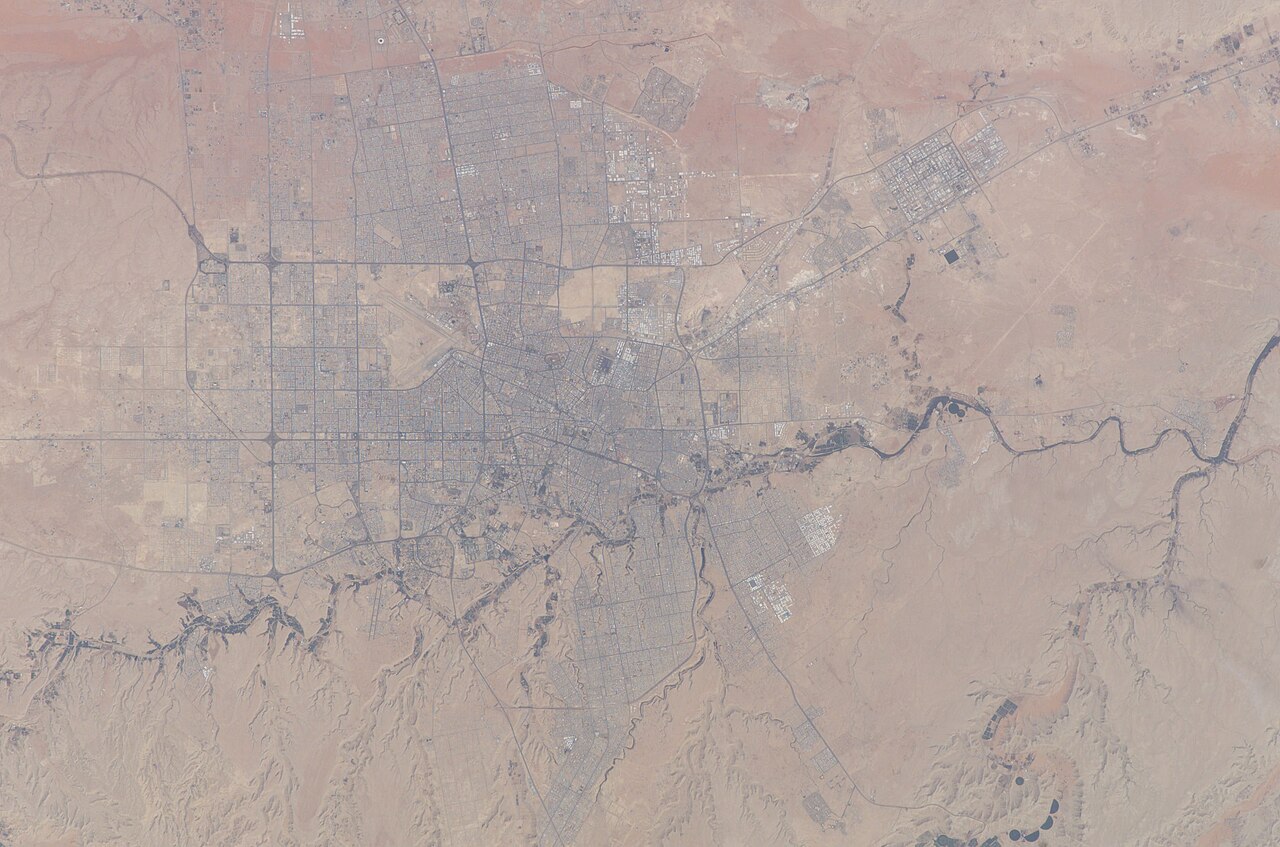
Contains Astronaut Photo of Riyadh, Saudi Arabia taken from the International Space Station during Expedition 6 on March 1, 2003.Astronauts · Public domain
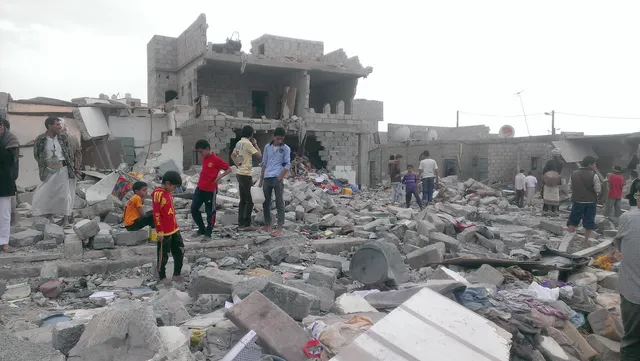
The Houthis have been escalating against Saudi Arabia since July. They ended a truce that had lasted years. They declared a blockade in the Red Sea. They seized Yemen's Red Sea coast, including the port of Mocha and islands that sit right on the Bab al-Mandeb strait.
And that strait matters. It normally carries around 12% of the world's oil trade.
Three days ago, the Saudi-led coalition said Houthi forces hit a power station in Madinah, knocking out one transformer. Pakistan's Foreign Ministry called it a grave provocation today. Pakistan's military says its commanders strongly condemned the attack and stand with Saudi Arabia.
Saudi Arabia's Grand Mufti has already told troops to get ready to defend the kingdom.
So where does that leave Iran?
Trying to stay out of it. Dar says Iran's president and its foreign minister have told Pakistan they see the Houthis as responsible for their own decisions, and that Iran wants this whole thing concluded. Dar says Iran even floated the idea of engaging the Houthis politically instead of through force — but he's clear that was one foreign minister talking to another, not a written proposal.
Dar also says more than six other countries now want to join the Makkah pact. He didn't name them. And he says nobody new gets in until the pact is fully up and running, which could take up to a year.
But here's what this meeting won't settle, at least not in public.
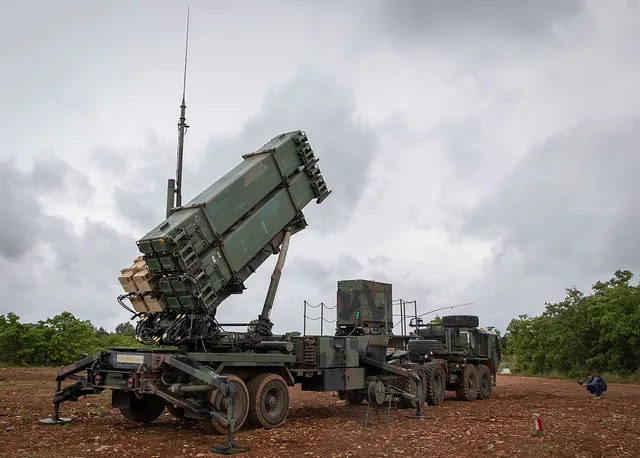
Will Turkey or Pakistan actually send troops, aircraft or ships to defend Saudi Arabia? Or does their support stay as statements, intelligence and logistics?
Dar didn't say. What he did say is that the committee's next regular meeting comes at the end of October or the start of November, once he expects the pact's institutional work to be done.
So three countries that promised an attack on one is an attack on all are now sitting down to work out what that promise is actually worth.
Nothing here was paid for by an advertiser. Members are the entire business model. Bronze is where it starts, and it opens the last seven days in full.