Pakistan just offered Saudi Arabia its full military and it has nuclear weapons
1 day ago · 30 September 2026Share
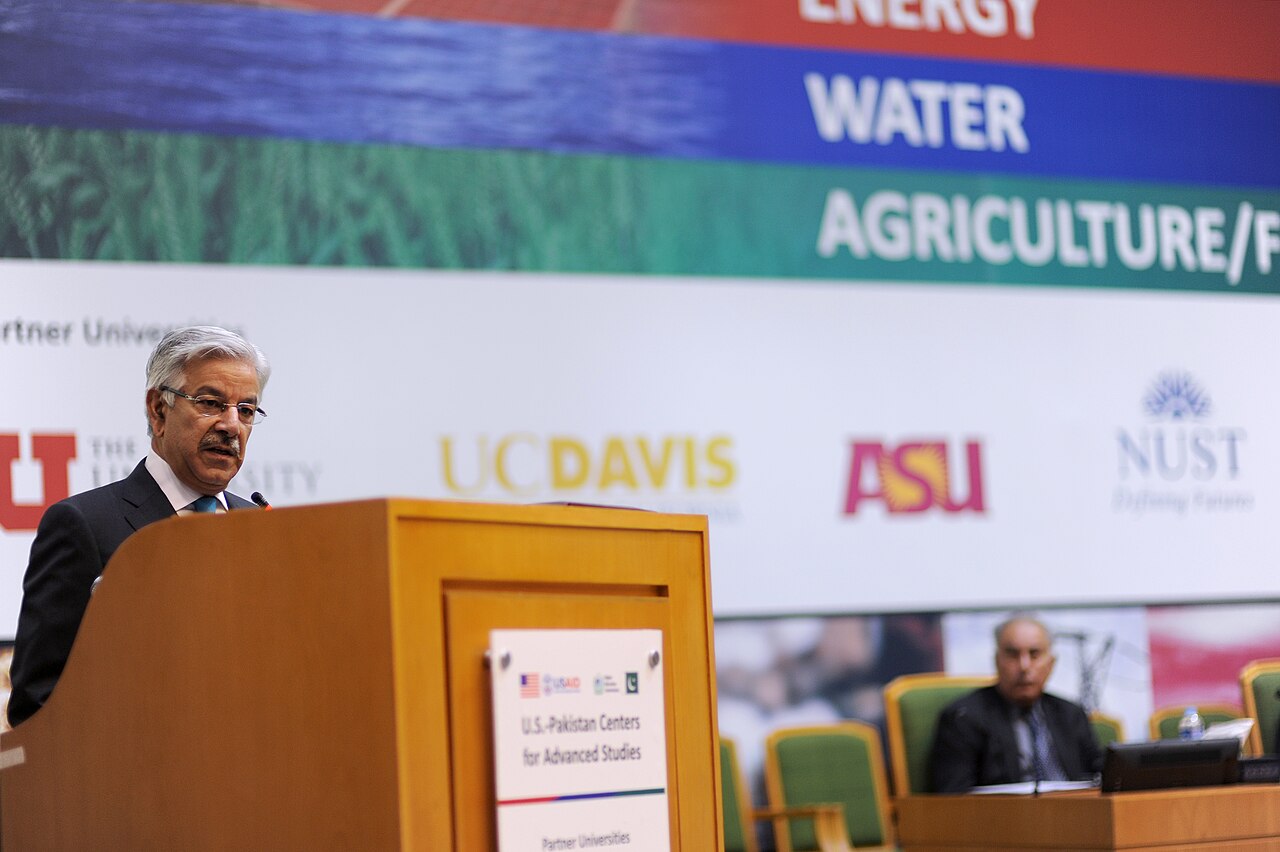
Khawaja Muhammad Asif.USAID Pakistan · Public domain
Pakistan just said it will use "whatever means are available" to defend Saudi Arabia against Iran-backed Houthi fighters.
That's the clearest sign yet that a nuclear-armed country could fight alongside Saudi Arabia.
Khawaja Muhammad Asif, Pakistan's Defence Minister, said it a few hours ago. He was talking to reporters in Rome.
Here's his exact line. He says quote "they'll be available to Saudi Arabia also."
That's Pakistan's own defence minister saying his country's full military capability is on the table for Saudi Arabia.
And he didn't stop there.
He says quote "Any enemy of Saudi Arabia is enemy of Pakistan."
So. Two questions came up straight after. Has Pakistan already flown strikes against Iran-linked fighters in Yemen? Asif wouldn't say. Has Saudi Arabia actually asked Pakistan for help? He wouldn't say that either.
Now, this arrangement he's talking about is real. It has a name. The Mecca Joint Defence Agreement.
Saudi Arabia, Pakistan and Turkey signed it about seven weeks ago, on 7 August.
Here's what it says. An attack on any one of the three counts as an attack on all three. Same idea as NATO's Article 5.
So this one pact ties together Saudi Arabia, NATO member Turkey, and Pakistan — a country with nuclear weapons.
Did Asif say nuclear weapons were part of the offer? No. He didn't raise it either way.
And there's a reason this pact exists at all.
On 8 September, Houthi fighters fired a huge barrage of drones and missiles into Saudi Arabia. They hit military sites and energy infrastructure. At least 73 people were wounded.
The Houthis have also taken the port of Mokha and nearby islands, pushing towards the Bab el-Mandeb Strait. That strait carries about 12% of world trade.
The rest of this story is for members.
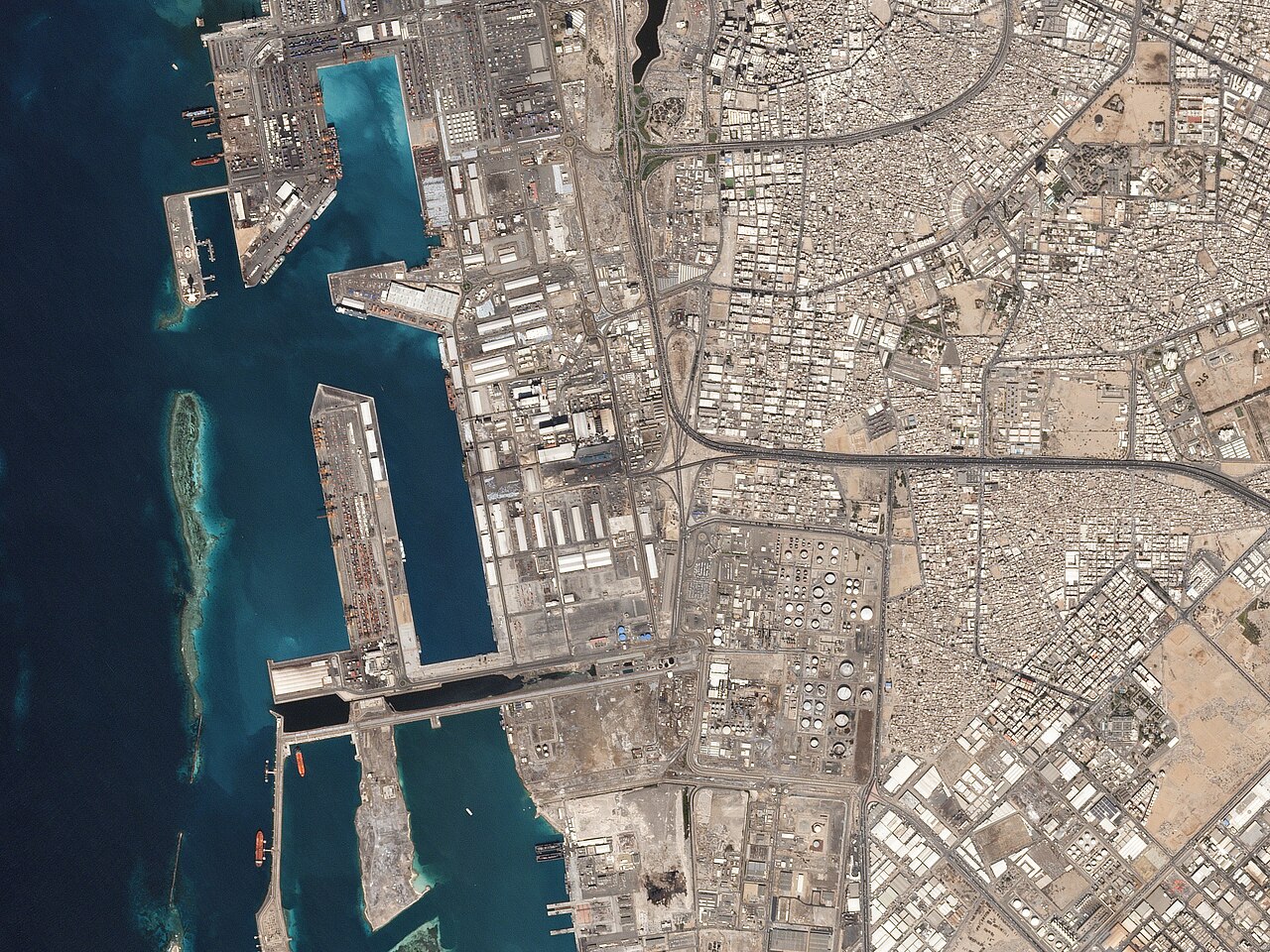
Jeddah, Saudi Arabia January 5, 2017 A mid-day view of the Jeddah Island Seaport, home of the United Sugar Company (center-left). File photo. Planet Labs, Inc. · CC BY-SA 4.0
But here's the thing. When that attack happened three weeks ago, Pakistan and Turkey didn't send anyone. They put out statements instead.
Pakistan's foreign ministry said at the time that direct military action against the Houthis wasn't even under discussion.
Asif himself had already set the condition, the day after that attack. He told Geo News that if the Yemen conflict spills into Saudi Arabia, the Mecca agreement will become operational.
So today, in Rome, Pakistan has gone further than it did three weeks ago. And there's no new attack behind it.
But something did happen in between.
About a week ago, army commanders from Pakistan, Turkey and Saudi Arabia sat down together in Riyadh. They talked about how to answer the Houthi attacks. Around the same time, senior figures from all three countries met on the sidelines of the UN General Assembly to talk about actually putting the pact to work.
The pact itself is still being built. Officials met in Istanbul on 31 August to set up a permanent secretariat and agree on defence technology cooperation. The full text hasn't been published. The command structure isn't finished either.
Hakan Fidan, Turkey's Foreign Minister, has explained how it's meant to work. Like NATO. The country under attack asks its partners for help. It doesn't trigger on its own.
And here's Pakistan's balancing act.
It still keeps diplomatic ties with Iran. Asif's government says it backs negotiations to end the wider conflict, including reviving a nuclear deal with Tehran.
Pakistan hosted direct talks between Iran and the United States five months ago, in April. An interim agreement followed in June. That deal had a 60-day deadline. It passed after fighting started again in July.
Pakistan and Iran share a border of about 900 kilometres. The two countries traded cross-border missile strikes back in January 2024. And Pakistan's biggest military worry is still India, with tension against Afghanistan's Taliban government on top of that.
So Pakistan is holding two roles at once. Defence guarantor to Saudi Arabia. And a country that still talks to Iran.
Saudi Arabia has welcomed what Asif said, calling it reinforcement of the pact. Turkey is standing with Pakistan on this. The Houthis haven't responded publicly. Iran, who backs them, hasn't commented at all.
So what don't we know? Whether Saudi Arabia has actually asked Pakistan to act. And what "whatever means" would look like if it did.
Nothing here was paid for by an advertiser. Members are the entire business model. Bronze is where it starts, and it opens the last seven days in full.