He also said Iran's military has made the US Navy unable to get near the Gulf or Iran's own waters, and that Donald Trump will "take that dream to his grave."
The US hasn't responded yet. That's everything we know.
Why this mattersSo why does this one statement matter so much?
Because there's no hedging in it at all. This is about as direct as an Iranian official gets.
And the timing is not an accident.
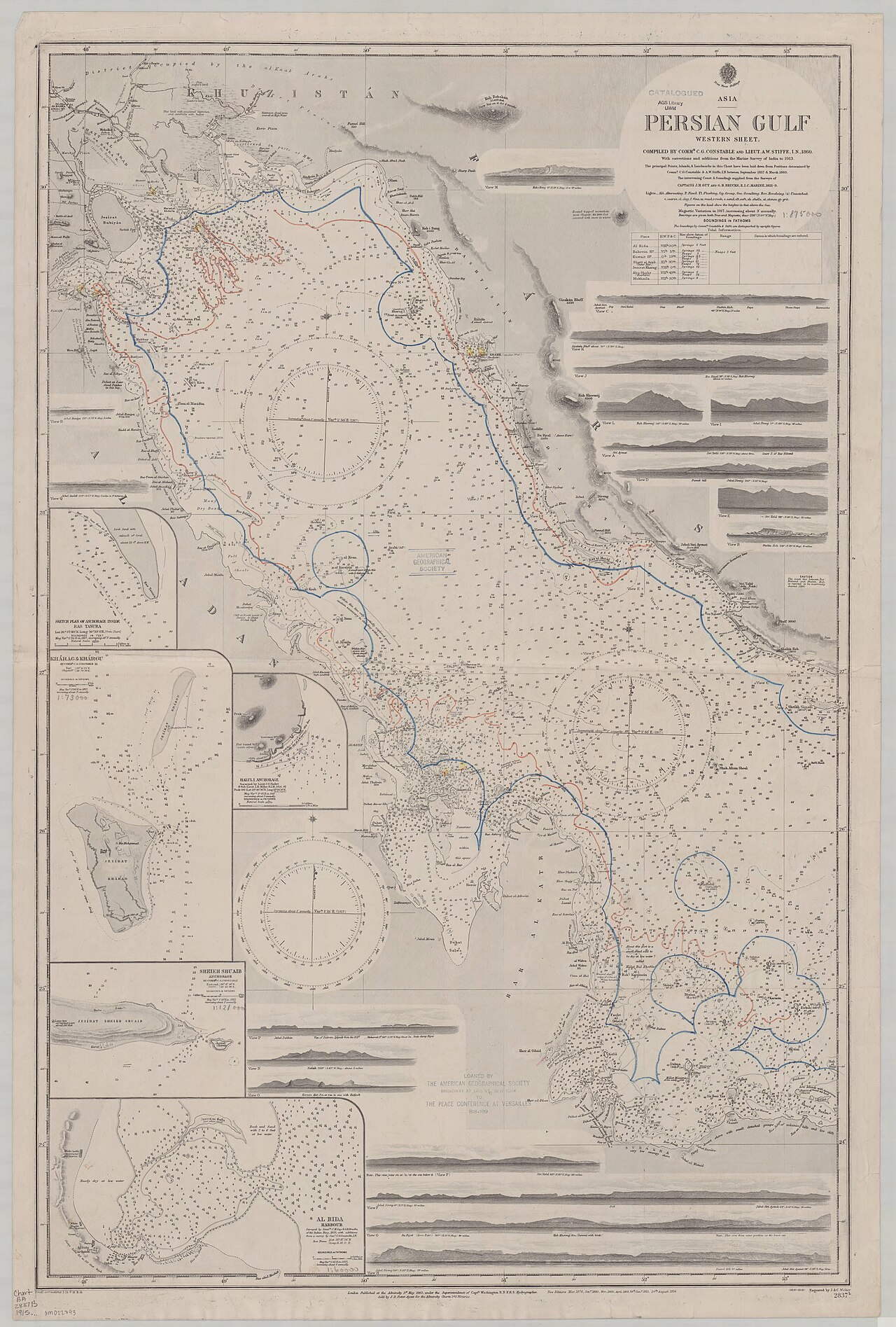
Iran and the US have been at war since February. For eight months, Iran has made ships ask permission to use the Strait of Hormuz. The US answered with its own blockade on Iranian ports and ships.
Here's why that strait matters. Before the war, around a fifth of the world's oil and gas moved through it.
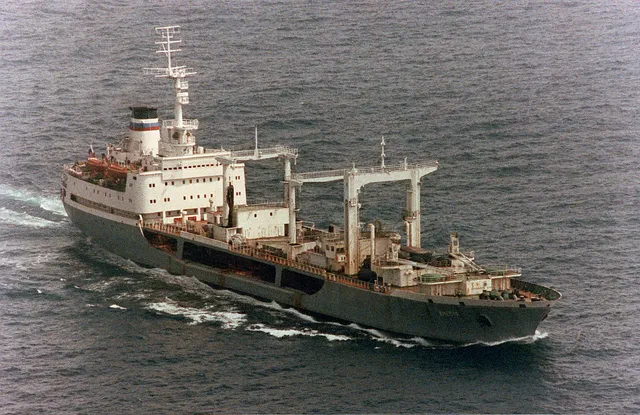
Iran's Revolutionary Guard says two supertankers hit mines and had to be abandoned near the Omani coast, a day before Abdollahi spoke. More than 4.5 million barrels of oil were on board between them. Iran says the ships were on an unauthorised route.
The Guard's navy commander has already said his forces are watching for American vessels to come into range.
Now here's what was happening on the American side, just a day earlier.
Tom Barrack, the US Ambassador to Turkey and Special Envoy to Syria, was asked if the US could strike Iran this weekend. He said it was possible, though he gave no details. He said the US isn't after regime change, but warned that more threats from Iran would bring consequences.
Donald Trump was asked about that. He told reporters he didn't know anything about it.
Trump has said before that any strikes would wait until after the US midterm elections on 3 November. But a day earlier, at a campaign rally in Florida, he raised the chance of another round of strikes like America's earlier bombing of Iran's nuclear sites, if Iran doesn't negotiate.
And there's more. On the same day, America's Director of National Intelligence, Jay Clayton, sent a memo to Secretary of State Marco Rubio. It said Iran has sharply ramped up plots against US officials across the Middle East. The memo doesn't name any targets.
Since then, the US has cut embassy staff in the United Arab Emirates, Lebanon, Qatar and Jordan. It has also pulled family members and nonessential staff out of its embassy in Saudi Arabia and its consulates in Jeddah and Dhahran.
So Iran's general is making this threat at the exact moment the US is pulling its people out of the region and talking openly about hitting Iran again.
What we don't know is whether this is a real change in what Iran's military can actually do, or just strong words. US Treasury Secretary Scott Bessent says oil exports from the Gulf have already passed pre-war levels, despite everything Iran has tried. CENTCOM still says the strait is open.
Nobody has said whether the US will actually send ships in to test that warning.