Why this mattersHere's the bigger line in all this. Iran just said the whole Persian Gulf is now fair game. Not just the strait.
Iran's navy has controlled the Strait of Hormuz since the war with the US and Israel started on 28 February. Traffic through it has dropped hard since then.
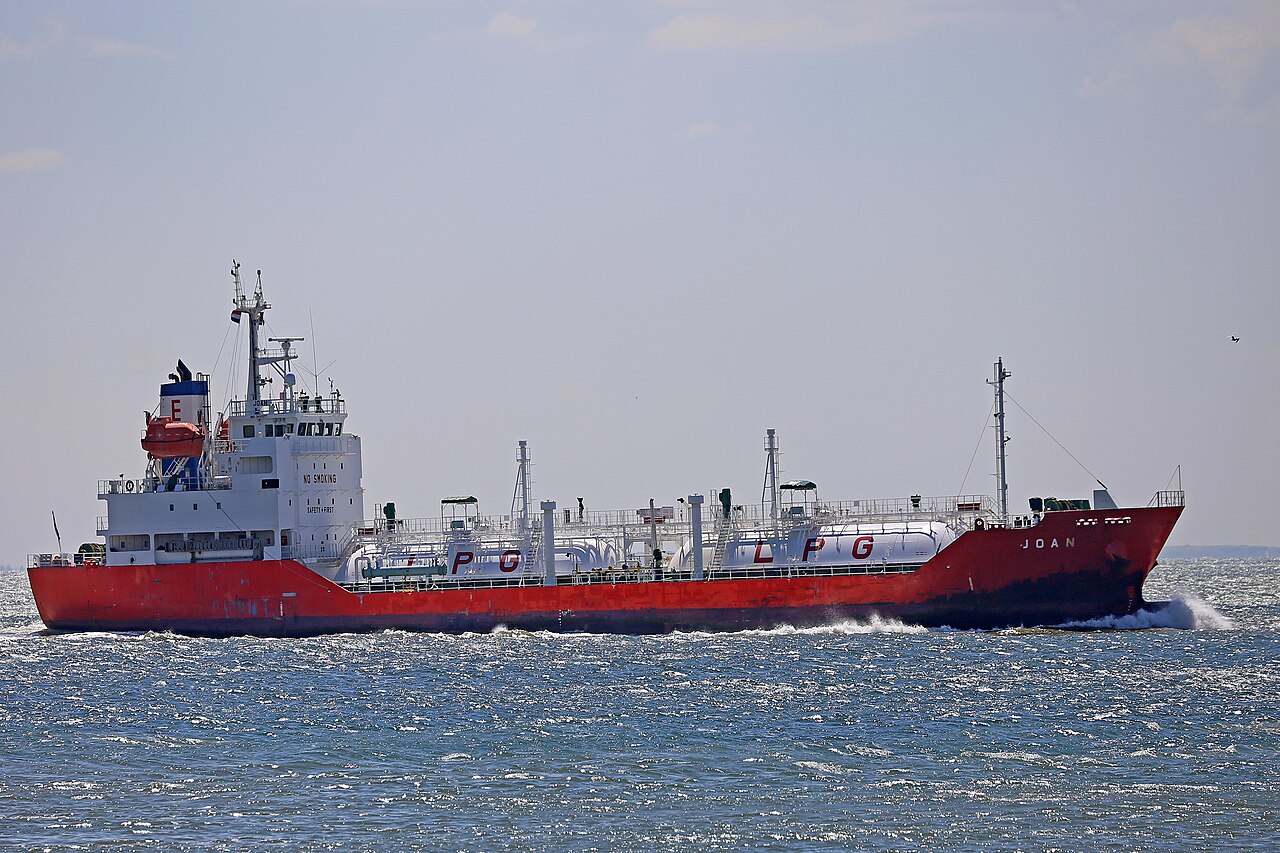
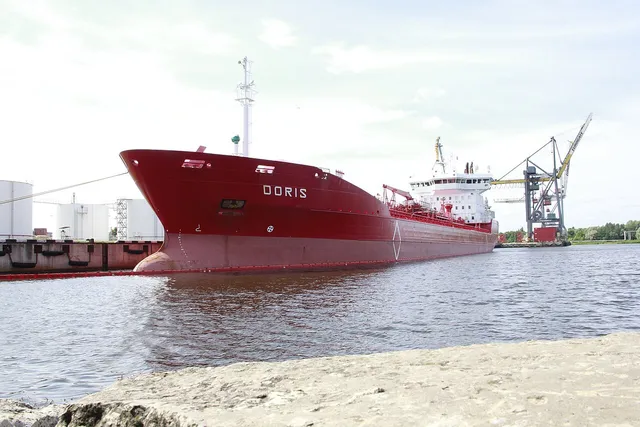
And this month alone, UKMTO counted nine attacks on tankers in the strait. That's already half of September's total for the whole Gulf.
So is this new? Not really. Two days ago, a different tanker was hit by multiple projectiles off Qatar. People were hurt.
Four days before that, a tanker just turned around. Iran's navy hailed it near Oman and threatened it. The captain reversed course on the spot.
Iran isn't hiding the strategy either. A senior adviser to the IRGC's commander went on state television four days ago and said ships on the US-backed southern route quote "may be targeted at any point". He said the 3 to 4 million barrels a day on that route are nothing next to the 18.5 million barrels the Middle East exports in total.
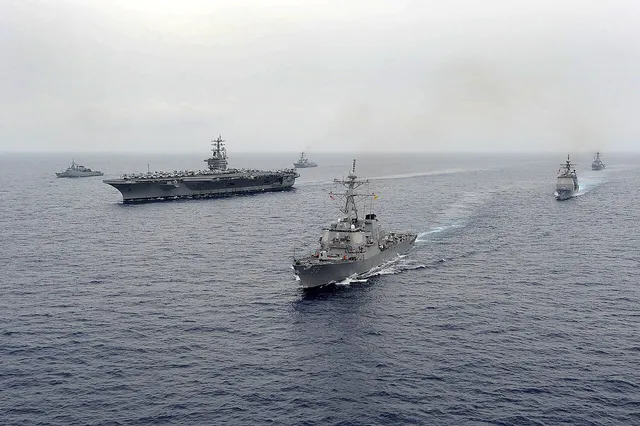
So what is America doing about it? Pressure, not warships. Scott Bessent, the US Treasury Secretary, says Washington is blockading Iranian shipping and working with Pakistan and Turkey to shut down Iran's land routes too. He says Iran will end up with no oil on the water to sell.
And Iran's own statement puts all the blame back on Washington. It says the US army is directly responsible for the danger at sea, and accuses America of paying bribes to shipping and insurance companies.
Here's the strange part. Oil is still moving. Middle East exports have climbed back to, and maybe past, where they were before the war even started.
So what don't we know? Whether the UKMTO ship and the IRGC's ship are the same one. Who actually owns it. How bad the damage is. And whether America sends more warships now.
What we do know: every tanker in the region has just been told it could be next, wherever it sails.