UKMTO says quote "authorities are aware and investigations are ongoing".
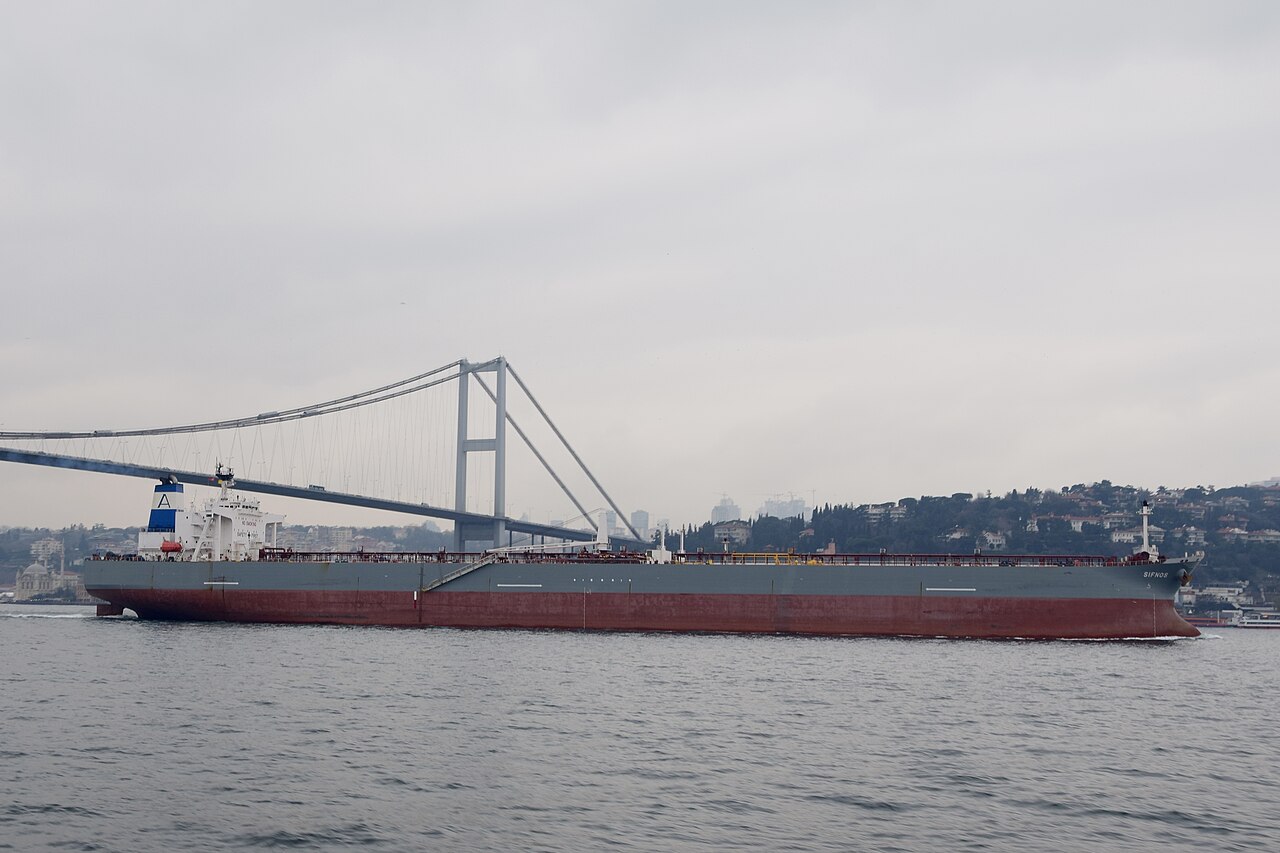
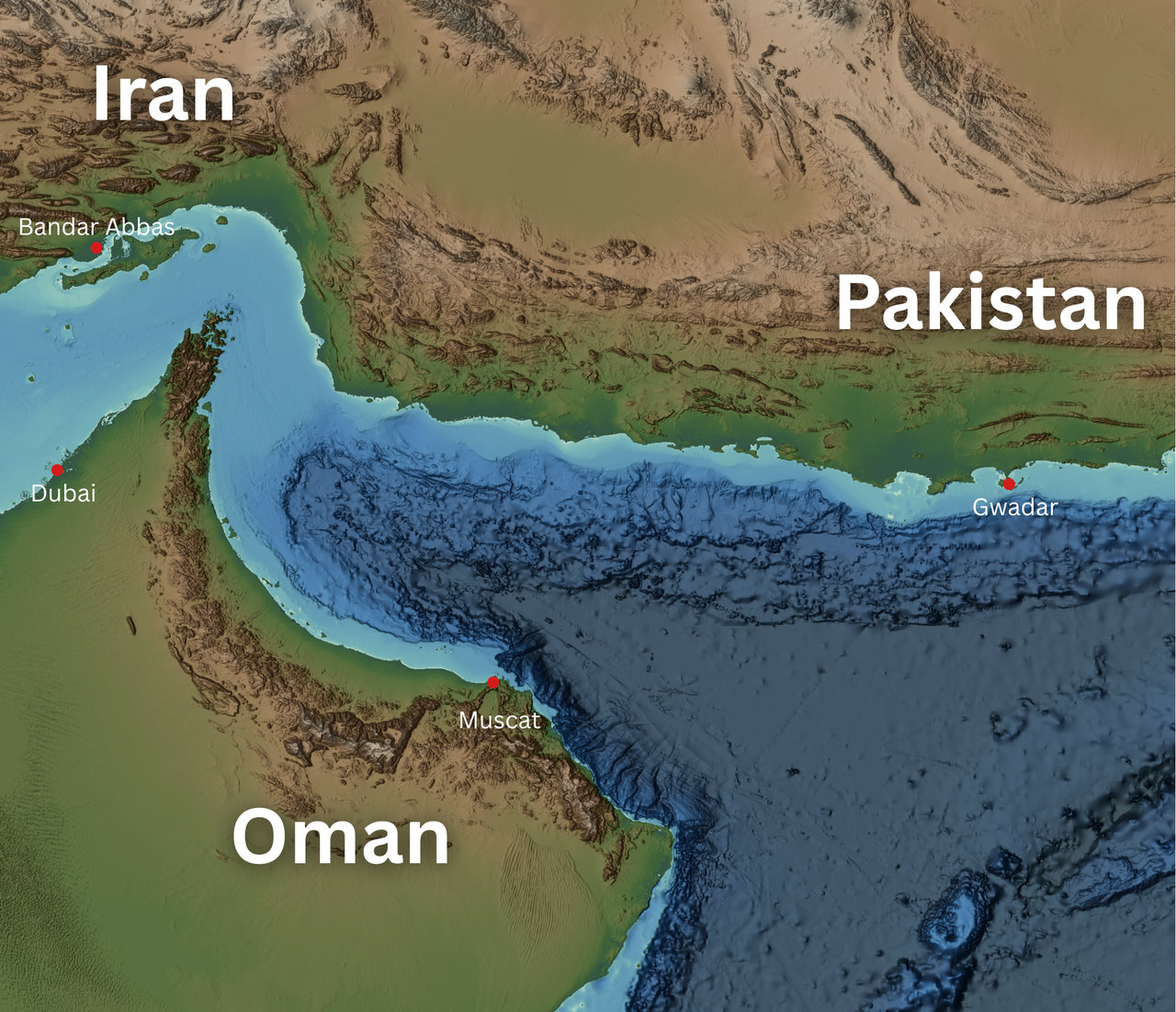
Earlier today, Iran's Revolutionary Guard navy said two separate supertankers hit naval mines nearby and were stopped dead in the water. One near Ghanam Island, one east of the strait. Nobody knows yet if that's connected to this.
That's everything we know.
Why this mattersSo why does this matter so much?
Because this is the one chokepoint that decides if the Iran war spreads to the sea.
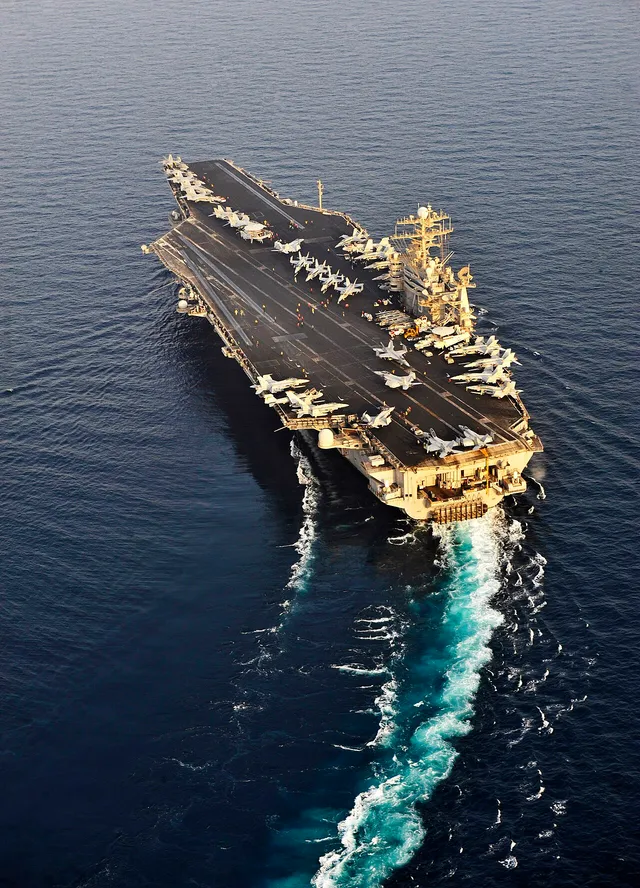
For 130 days straight, the US Navy has been blockading Iran's oil exports. Central Command says it's stopping Iran's Revolutionary Guard from selling billions of dollars of crude.
Iran calls it an act of war.
Kazem Gharibabadi, Iran's Deputy Foreign Minister, said two days ago that Iran will do whatever it takes to break it. Abbas Araghchi, Iran's Foreign Minister, says Tehran won't reopen the strait until Washington lifts the blockade. Masoud Pezeshkian, Iran's President, calls it a silent economic war, and says it's tougher than a war fought with missiles.
And Iran has been building up to something.
More than 14 Iranian tankers have gathered off Kharg Island over the past few days. Loaded. Crewed. Flagged. An Iranian lawmaker, Vahid Ahmadi, says they're preparing to challenge the blockade. He didn't say which ships, where they're going, or when.
Nobody has confirmed any of them have actually sailed yet.
One tracking claim said a tanker called Khat-Shekan was already partway through the strait. The tracking site TankerTrackers checked it. Fake. Spoofed location data.
And here's the warning Iran has given for days. If the US military tries to stop its tankers, it says it will hit back hard, with strikes on energy sites across the Gulf.
So a tanker incident involving military forces, in almost exactly the spot a breakout attempt would happen, is the test case for everything Iran has threatened.
Shipping through the strait is already down about 65 per cent from before the war. UKMTO logged 263 crossings in the week to 18 November, down from 308 the week before. Al Jazeera's correspondent in Tehran says tanker incidents have been running at about three a day over the past week. That's a sharp jump.
This isn't the first time force has been used to enforce the blockade either. Two weeks ago, Central Command said it disabled a commercial vessel in the Gulf of Oman for ignoring warnings and trying to break through. Different ship. Different event.
Neither Iran nor the United States has said a word about today's incident specifically.
So three questions are still wide open. Which country's forces were involved. Whether a tanker was actually hit or disabled. And whether this links to the mine strikes reported earlier today.
Iran has already told everyone what happens if its ships get stopped by force.
Nobody has said yet whether that's what just happened.