NATO just sent its radar plane to Poland after Russia's missiles landed there
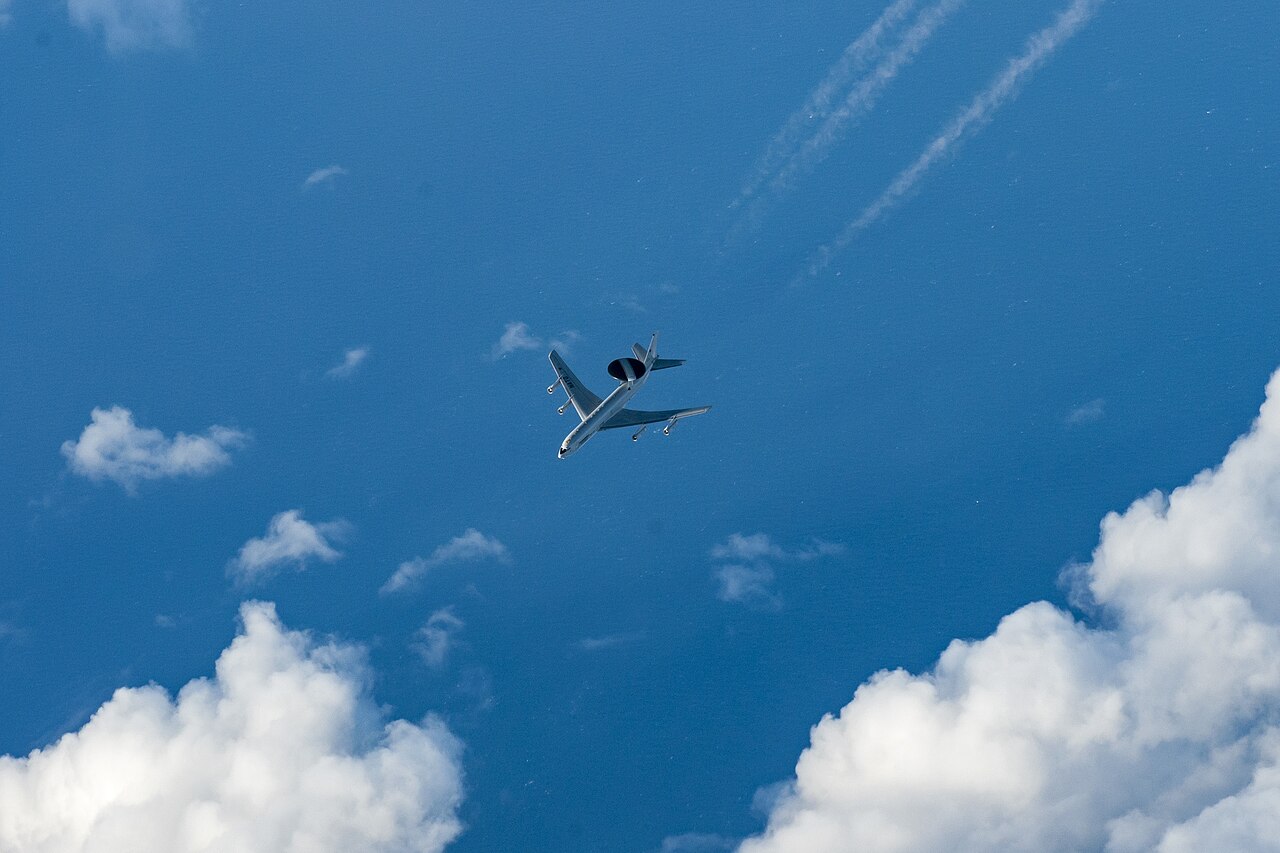
NATO is sending a radar plane to Poland.
It's an AWACS early-warning aircraft. And it's going four days after three Russian cruise missiles came down on Polish soil.
So what happened? Russia fired about 72 Kh-101 cruise missiles at Ukraine on the night of 20 November. Three of them crossed into Poland. They came down at three different spots in the south-east: Nowy Lipowiec, Rudnik nad Sanem and Molodycz. Nobody was hurt.
First, Polish authorities said it was two missiles and a drone. Then, two days later, they changed the story.
The Lublin District Prosecutor's Office said all three were Kh-101 cruise missiles. And here's the detail that stands out. Early analysis showed the missiles were built at a plant in Dubna, north of Moscow, in the last three months of 2026. So they were no more than about 50 days old when they hit Poland.
Poland scrambled F-16s, Swedish Gripen jets and a Dutch refuelling tanker that night. None of them stopped the missiles. Poland's military blames the weather.
Now here's where it gets interesting. Donald Tusk, Poland's Prime Minister, says this was likely an intentional provocation by Russia, timed to land alongside military drills nearby.
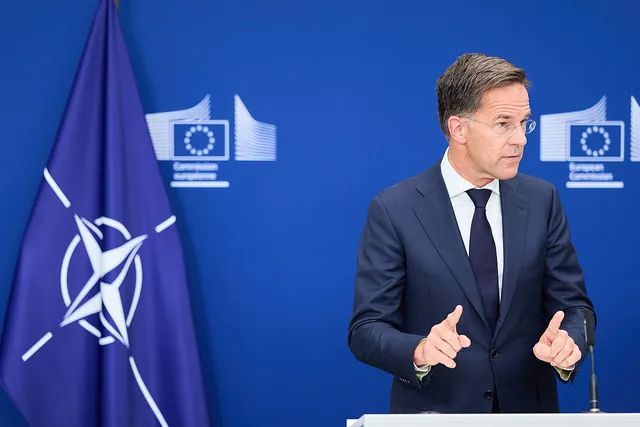
Mark Rutte, NATO's Secretary-General, won't go that far. He calls it a grave violation of Polish airspace. But he says it's not yet established whether it was deliberate.
So a NATO member and NATO's own chief don't agree on what just happened on NATO territory.
Mark Rutte flew to Warsaw the weekend after the strike. He told reporters NATO would defend every inch of Polish territory.
And a few hours before the missiles landed, Donald Trump, the US President, said Russia had sent drones and a couple of small missiles into Poland by mistake.
People who study Russia's actions for Al Jazeera say this fits a pattern going back months. Russia keeps testing how far it can push into NATO airspace without starting a direct military clash.
And this isn't the first time. A single Kh-101 came down in Lublin province on 30 July, and Poland summoned Russia's ambassador over it. Back in September 2025, Russian drones crossed into Polish airspace and Poland invoked Article 4 of the NATO treaty. Donald Tusk said at the time that Poland had come closer to armed conflict than at any point since the Second World War. NATO answered that one by launching Operation Eastern Sentry to reinforce its eastern border.
Comments
None yetAlready a member? Log in.