Russia's neighbours just restarted landmine production across eastern Europe
2 hours ago · 24 November 2026Share
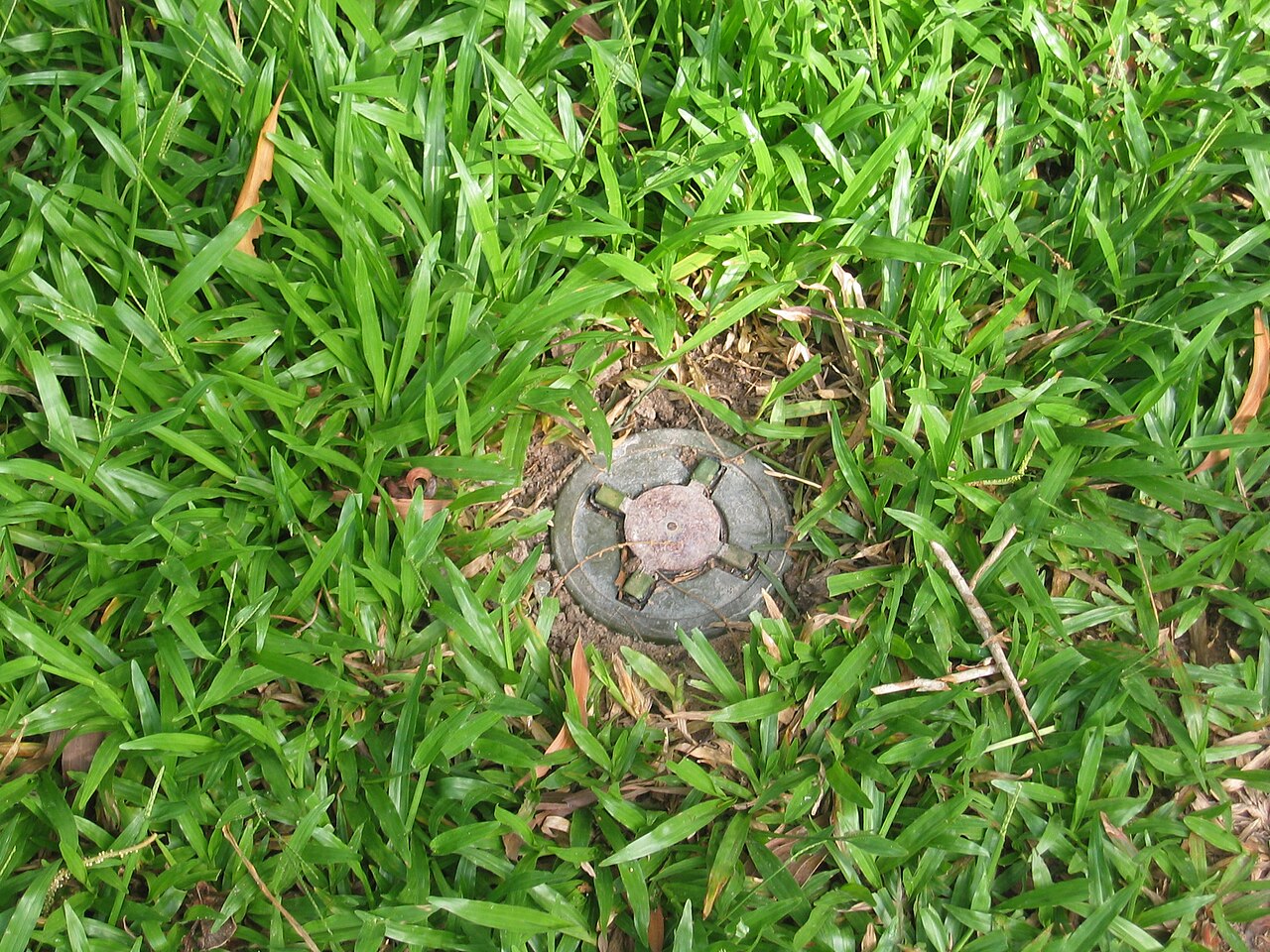
A Soviet-made PMN-2 anti-personnel mine in Cambodia. File photo.Reedhawk · CC BY-SA 4.0
Five NATO countries that border Russia have just walked away from the global treaty banning landmines.
And two of them are already building the weapons again.
Estonia, Finland, Latvia, Lithuania and Poland have all left the Mine Ban Treaty. That's the 1997 Ottawa agreement that outlawed anti-personnel landmines.
They left in stages. Poland and the Baltic states announced it together almost two years ago. Finland followed a month later.
Estonia, Latvia and Lithuania filed their withdrawal with the United Nations last year, and it kicked in six months after that. Finland stopped being bound by the treaty earlier this year.
So why now? A new report just laid out what's happened since. It's called the Landmine Monitor 2026, published today by the International Campaign to Ban Landmines. And it's the first full picture of where this all stands.
Here's the thing about all five countries. Every single one of them borders Russia or Belarus.
Back when they announced the withdrawal, the defence ministers of Estonia, Latvia, Lithuania and Poland put out a joint statement. They said threats to NATO states on the Russian and Belarusian border had significantly increased. They said leaving the treaty gives their armies, in their own words, flexibility and freedom of choice to use new weapons systems to defend NATO's eastern flank.
Now two of them are actually doing it.
Poland has moved to produce 15 million anti-personnel landmines, according to ABC News. Possibly within months.
Finland wants one million. It's aiming to have them built by 2028. The plan is expected to cost around 100 million euros, about $112 million. Finland wants its own manufacturers to build them, with contracts signed by the end of 2027. Around half a dozen Finnish firms are thought to qualify, according to Colonel Riku Mikkonen of the Finnish Army Command.
And here's the twist. Both countries have done this before, in reverse.
Finland destroyed a stockpile of one million landmines in 2015 to comply with the treaty. Poland destroyed more than a million of its own in 2016.
The rest of this story is for members.
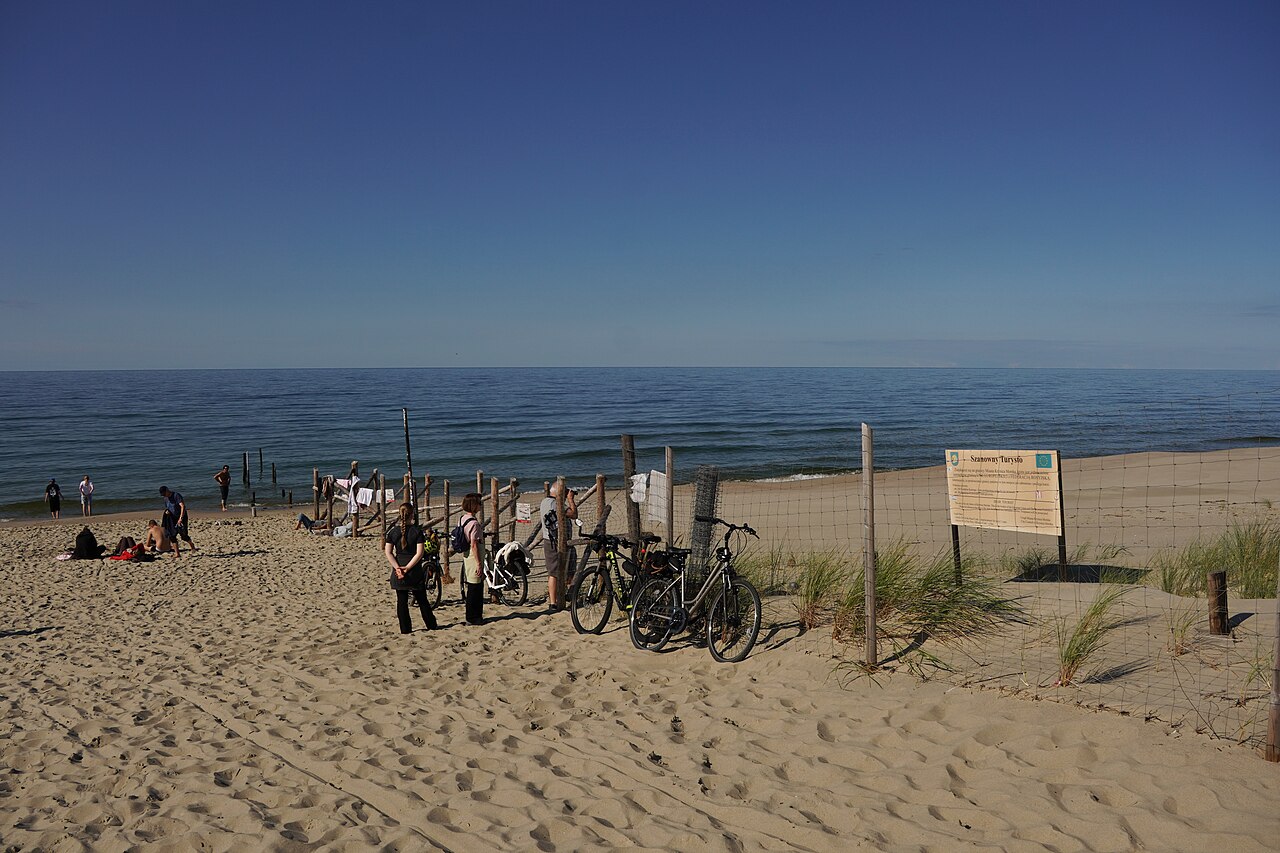
Poland-Russia border buffer area at Piaski Beach, Krynica Morska. File photo. Ch1pabeck · CC BY-SA 4.0
Now they're rebuilding exactly what they gave up.
The reason every one of the five governments gives is the same. Russia's war in Ukraine, and what Russia has done with landmines inside it.
So what's the human cost been? The Landmine Monitor report says landmines and other unexploded weapons of war killed or wounded at least 6,929 people in 2025 worldwide. That's the highest annual total since 2020. It's a rise of 10 per cent on the year before.
Civilians made up at least 84 per cent of those killed or wounded. And children made up half of the civilians hurt where their age was known.
Ukraine isn't part of this withdrawal. But it isn't following the rules either. Ukraine tried to suspend its own obligations under the treaty and failed. Human Rights Watch says it's making landmines anyway, including ones delivered by drone and ones that are 3D-printed.
Not everyone buys the argument that mines will actually help.
Tamar Gabelnick runs the International Campaign to Ban Landmines. She told ABC News the treaty was adopted by every EU state and 80 per cent of the world. And she doesn't think minefields would actually stop a Russian invasion. She says quote "it's simple to breach an area with mines".
Human Rights Watch disagrees with the whole approach. Verity Coyle, the group's deputy crisis, conflict and arms director, says new technology is making mines easier to deploy at a time when civilian deaths and injuries are rising, which is why she believes the treaty matters more than ever.
When the withdrawals were first announced, Mary Wareham, who was also at Human Rights Watch at the time, said the five countries were putting their own civilians at risk and walking back years of progress. The United Nations Secretary-General, António Guterres, said he was gravely concerned, and called the move particularly troubling.
None of the five governments has responded to today's report.
And the treaty itself keeps growing everywhere else. Lebanon, the Marshall Islands and Tonga have all joined during the period this report covers. That brings the total number of countries bound by it to 162.
Neither Russia nor the United States has ever signed it.
So what don't we know? Whether any other NATO country follows Poland, Finland and the Baltic states out the door. And whether these new mines ever actually get laid in the ground, or just sit in storage as a warning to Moscow.
Nothing here was paid for by an advertiser. Members are the entire business model. Membership opens everything we have ever written, our investigations first, the guides and the films, for $4.99 every 28 days or $19.99 a year.