Why this mattersSo this isn't an argument about how bad the damage was.
It's an argument about whether anything happened at all.
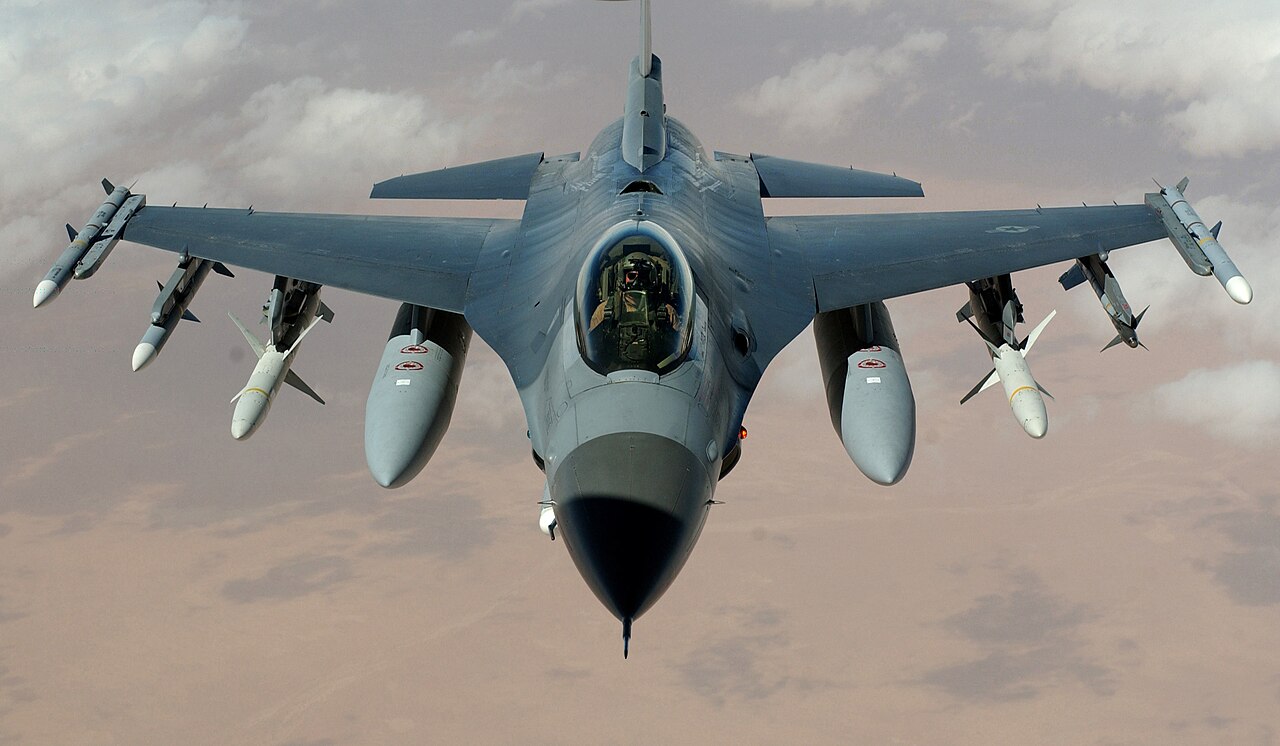
Iran's version is specific. Its military says a missile with a proximity fuse went off near the F-16 over the Strait of Hormuz, as it was heading toward Iranian airspace. And it says the jet was hit badly enough that it had to make an emergency landing.
CENTCOM's version leaves zero room for any of that. No attack. No damaged jet. Every fighter jet accounted for.
So one of these two accounts is wrong.
And this isn't the first time. Iran has made claims like this before during the war, about hitting or shooting down US aircraft. Every time, the US has denied it.
But the timing here is what makes it harder to just dismiss.
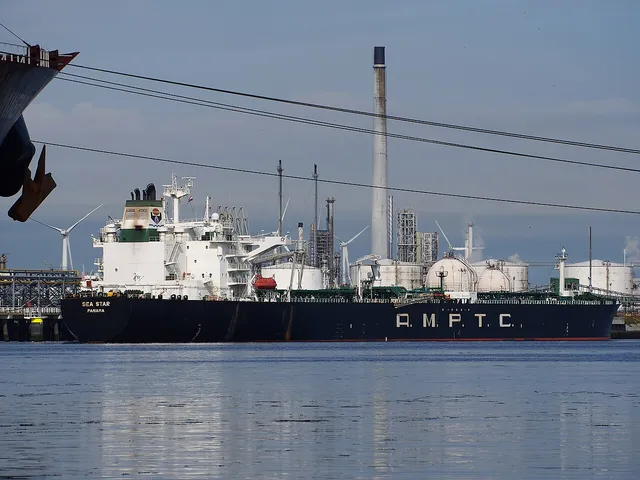
This claim comes just days after US fighter jets bombed an Iranian missile site on Qeshm Island. It also lands on the very same day Iran's Revolutionary Guard says it shot down a US drone over the Strait of Hormuz. And the same day the UK's maritime watchdog says two tankers got hit by unidentified projectiles, in that same strait.
So in one single day, Iran is reporting a jet hit, a drone kill, and two tanker strikes, all in the same stretch of water.
The Strait of Hormuz has been the flashpoint of this whole war. The US and Israel started striking Iran back in February, and thousands have been killed since. Washington and Israel are reportedly weighing a new offensive against Iran. In Congress, Democratic lawmakers are reportedly trying to block funding for more strikes before they take over in January.
So both sides have a reason to tell this story their own way. A real hit on a US jet would be Iran's biggest reported win of the war so far. And a flat denial keeps the US position intact — that it still controls the skies over the Gulf.
Iran hasn't responded to CENTCOM's denial yet.