France just sent troops to guard Saudi Arabia's oil port from the Houthis
6 days ago · 25 September 2026Share
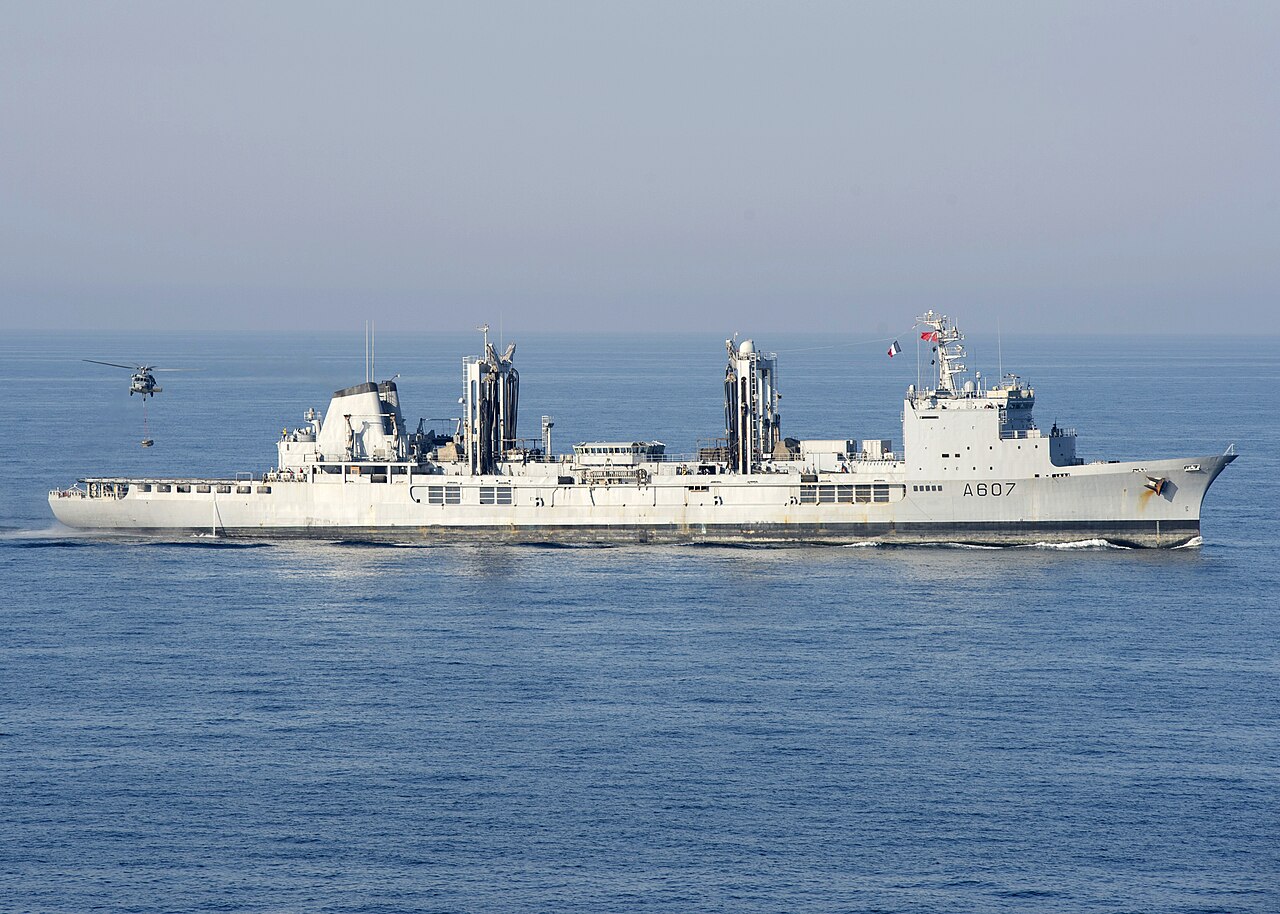
The French Marine Nationale Durance-class replenishment oiler Meuse (A607) transits the Arabian Gulf during a vertical replenishment with the U.S. Navy aircraft carrier USS Carl Vinson on 2 March 2015. File photo. U.S. Navy photo by Mass Communication Specialist 3rd Class James Vazquez · Public domain
France is sending troops to Saudi Arabia. To guard an oil port from Houthi missiles.
And this is the first time a Western country has put boots on the ground in Saudi Arabia to defend its energy sites in this whole war.
Emmanuel Macron, France's President, announced it a few hours ago. On live TV, on TF1 and France 2.
He's sending soldiers, radar systems and defence systems. To protect Yanbu, the Saudi port city on the Red Sea.
Macron says it's agreed with Saudi Arabia. And it's strictly defensive.
Here's what he said: "We are going to send military resources, that is to say, soldiers, radar systems and defence systems, to protect this site."
So that's France saying it. Guard the port. Don't fight the war around it.
Now, how many troops? When do they arrive? Nobody's said. That detail just isn't out yet.
So what triggered this? A few hours before Macron spoke, Saudi forces shot down six ballistic missiles heading for the Taif and Yanbu areas. Major General Turki al-Malki, of the Saudi-led coalition, announced it. The Houthis haven't said whether they were behind that attack.
And it wasn't just the Saudis defending the skies. A Greek-operated Patriot battery in the same area shot down a ballistic missile and a drone too. Fired two interceptors doing it.
So why Yanbu? Well, it's the end point of Saudi Arabia's East-West pipeline. That pipeline runs about 1,200 kilometres, from the oil fields in the east all the way to the Red Sea.
And right now, that pipeline is Saudi Arabia's main way of getting oil out of the country. Because the war between America and Iran has wrecked normal tanker traffic through the Strait of Hormuz.
The rest of this story is for members.
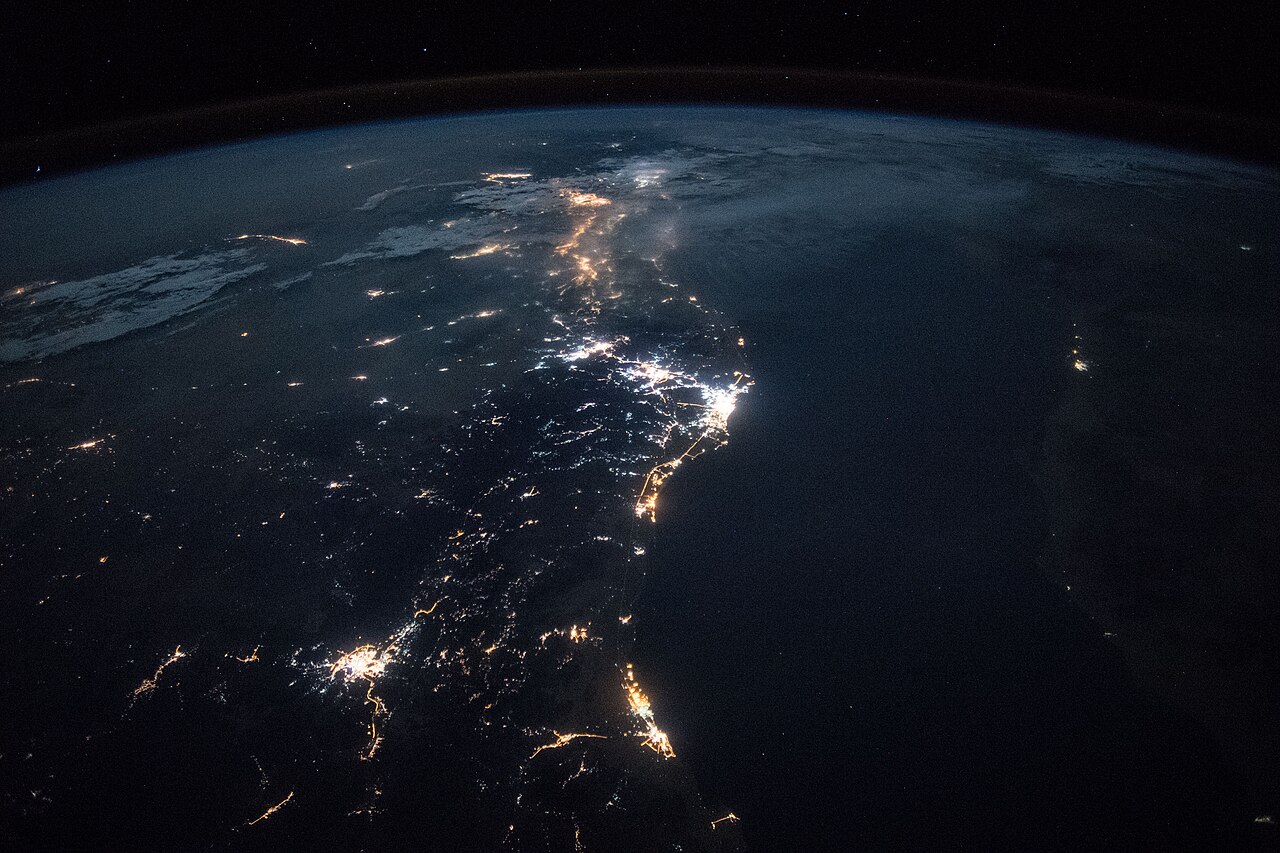
Contains modified NASA Earth Science and Remote Sensing Unit data showing Saudi Arabia taken during ISS Expedition 55. File photo. Earth Science and Remote Sensing Unit, NASA Johnson Space Center · Public domain
Here's the thing though. Drone attacks on 10 and 11 September already shut this same pipeline down once. And tanker loadings at Yanbu still hadn't restarted as of the latest reports.
Now here's the gap France is stepping into. Saudi Arabia is running low on missile interceptors. It's asked France, Britain, Pakistan and Egypt for air defence help.
Earlier this month, Mohammed bin Salman, the Saudi Crown Prince, asked Donald Trump to order direct American strikes on the Houthis. Trump reportedly said no. America says it has no fight with the Houthis right now. It's offering intelligence and targeting help instead.
Britain's already agreed to send an RAF Voyager tanker. To help refuel Saudi jets in the air.
So where America stepped back, France and Britain are stepping forward. One on the ground at Yanbu. One in the air above it.
And the Houthis? They say this is a fight to drive Saudi-backed forces out of Yemen, end Riyadh's blockade, and get Yemen's sovereignty back. They've warned foreign powers not to join the Saudi side.
No Houthi statement on the French deployment itself. Not yet.
About 80 countries have told the United Nations that Iran must reopen the Strait of Hormuz urgently. They said Iran and the Houthis are behind attacks across the region. Abdullatif bin Rashid Al Zayani, Bahrain's Foreign Minister, read the statement out.
Macron also used the interview to talk about France's own fuel prices. He says this conflict has pushed them to record highs. And he said a US ban on diesel exports — something the White House denies even considering — would be catastrophic. For the world, and for America's own economy.
So what don't we know? How many French troops. When they land. What equipment comes with them. Whether Britain, Pakistan or Egypt send troops of their own too. And how the Houthis respond to a Western military presence sitting at Yanbu.
France has drawn its own line. Protect the port. Stay out of the war.
Whether the Houthis see it the same way? That's the question nobody's answered yet.
Nothing here was paid for by an advertiser. Members are the entire business model. Bronze is where it starts, and it opens the last seven days in full.