France just forced Europe into the Ukraine talks Russia tried to block
9 hours ago · 8 November 2026Share
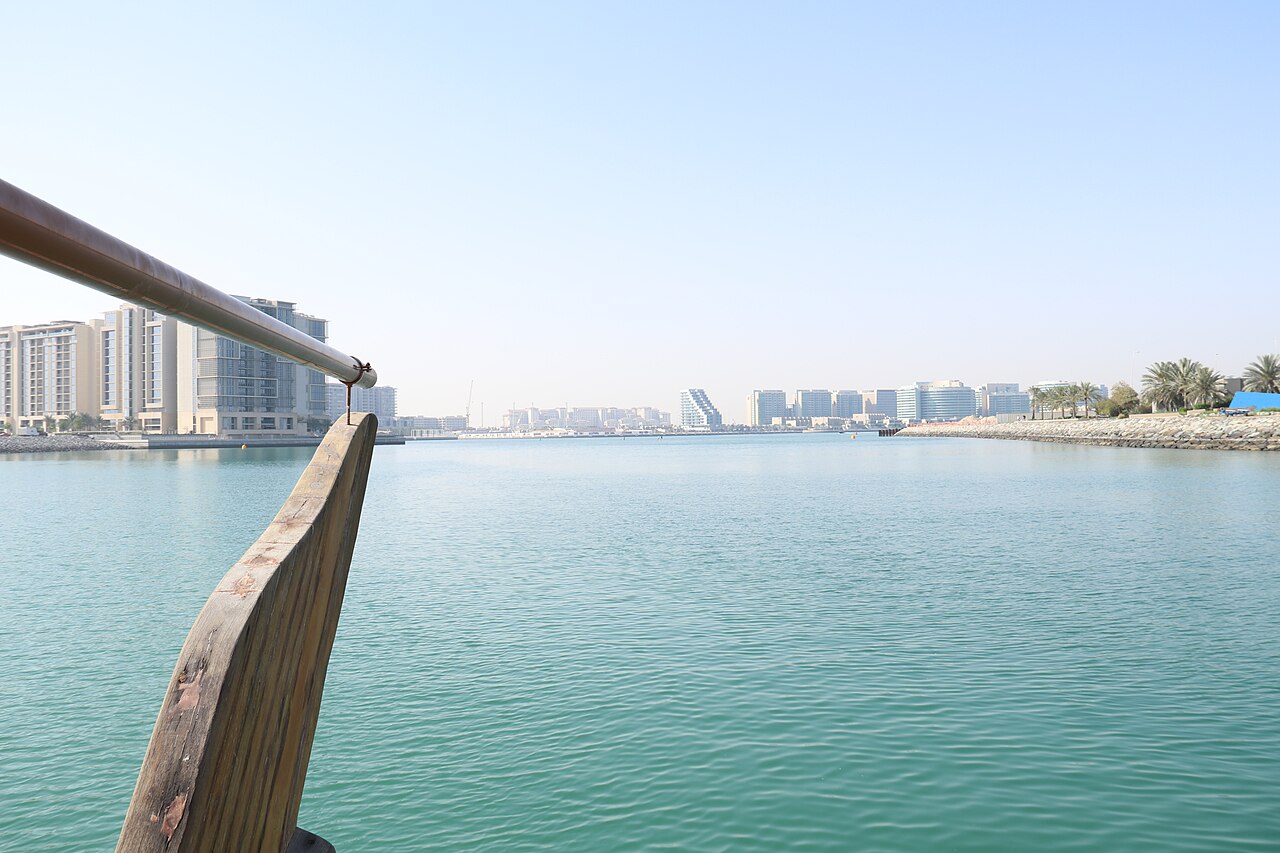
The Abu Dhabi skyline from the sea on a boat tour. AdnanDekedek · CC BY-SA 4.0
France just confirmed it. Europe gets a seat at the table for the next round of Ukraine talks.
And for weeks, that looked like it wasn't going to happen.
Jean-Noël Barrot, France's Foreign Minister, said it on RTL radio a few hours ago. He says quote "The Europeans will be represented and France will be in Abu Dhabi to participate in these talks." He can't say yet who will represent France. But he says France's presence is guaranteed.
So here's the background. The talks are trilateral — Russia, Ukraine and the United States. They start in Abu Dhabi in two days, on 10 November. Until now, that meant three sides at the table. Not four.
And Russia has pushed back on European involvement more than once in recent weeks.
Barrot addressed that straight on. In the past, he says, there have been discussions sometimes without the Europeans and sometimes with them. But this time, he says, Europe is in.
So what changed? Two options. Either Russia dropped its objection. Or Washington is including Europe anyway, whether Moscow likes it or not.
There's reason to think it's the second one.
Jared Kushner, Donald Trump's envoy and son-in-law, told a meeting in Brussels this past week that Washington would consult closely with European partners on the sidelines of the Abu Dhabi talks. He said the US would look to widen the format if the talks make progress.
The rest of this story is for members.
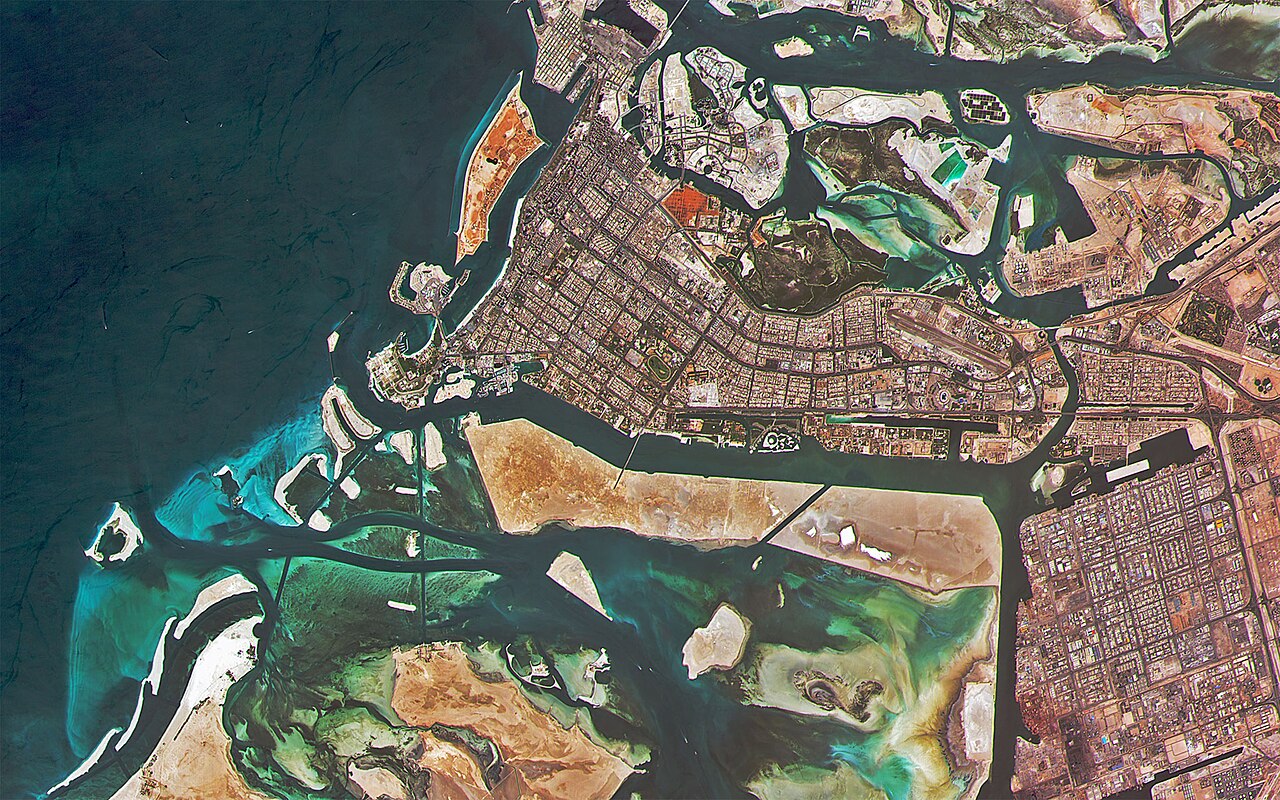
Abu Dhabi, UAE, as viewed by Hodoyoshi-1 satellite.Axelspace Corporation · CC BY-SA 4.0
On the sidelines. Not at the main table from day one. That's a smaller promise than what Barrot is now describing.
The Brussels meeting brought together American, European, Ukrainian and NATO officials in the days before Barrot spoke. NATO said it was meant to help move toward a just and sustainable end to the war.
Germany has been pushing for this for weeks. Friedrich Merz, Germany's Chancellor, says Europe wants to be part of the peace process. He says sanctions and the continent's own security cannot be settled without Europe in the room. And he says Russia hasn't engaged with that seriously yet.
Donald Trump added to the unease himself. In the days before Barrot's statement, he spoke of a quote "very big" deal with Russia — one he said would cover not just Ukraine, but all of Europe. That line alone had European capitals worried Washington might settle their security without asking them.
Now the delegations. Ukraine's team is led by Rustem Umerov, the head of its Foreign Intelligence Service, confirmed two days ago. Kyrylo Budanov, who runs Ukraine's Presidential Office, will also be there. But he is not leading it — an earlier report saying he would was wrong. Volodymyr Zelensky, Ukraine's President, has said for weeks that he wants Europe in this process.
Russia's delegation is led by Vladimir Medinsky, an aide to President Vladimir Putin. Putin said two days ago he expects the talks to start on 10 November, and he has already discussed preparations with Russia's Security Council. Russian media reports say the delegation may also include two deputy foreign ministers and two General Staff officers. Those names haven't been confirmed outside Russian state media.
Here's how we got here. Putin agreed to this round of talks after meeting Steve Witkoff, the US special envoy, in St Petersburg two and a half weeks ago. Witkoff says the agenda covers post-war security arrangements, de-escalation, humanitarian measures, and ending the war itself. The last time Russia and Ukraine sat down for US-mediated talks was nine months ago, in February.
So what don't we know? Whether Russia actually accepted Europe's presence, or whether it's simply being told. Russia hasn't responded to Barrot yet. Nobody has said who will represent France. Nobody has said which other European governments or EU institutions will show up. And nobody has said what Europe plans to put on the table once it's finally in the room.
For weeks, Europe paid for this war without a say in how it ends. Barrot says that changes in two days.
Nothing here was paid for by an advertiser. Members are the entire business model. Bronze is where it starts, and it opens the last seven days in full.