Iran just sent ships to map the Gulf's internet cables and war could cut them
Iran-linked ships just spent two weeks hovering over the internet cables that run through the Strait of Hormuz.
And a maritime intelligence firm says their movements look a lot like mapping those cables out, or planting charges on them.
The firm is called Windward. It tracked at least four ships between 14 and 26 October.
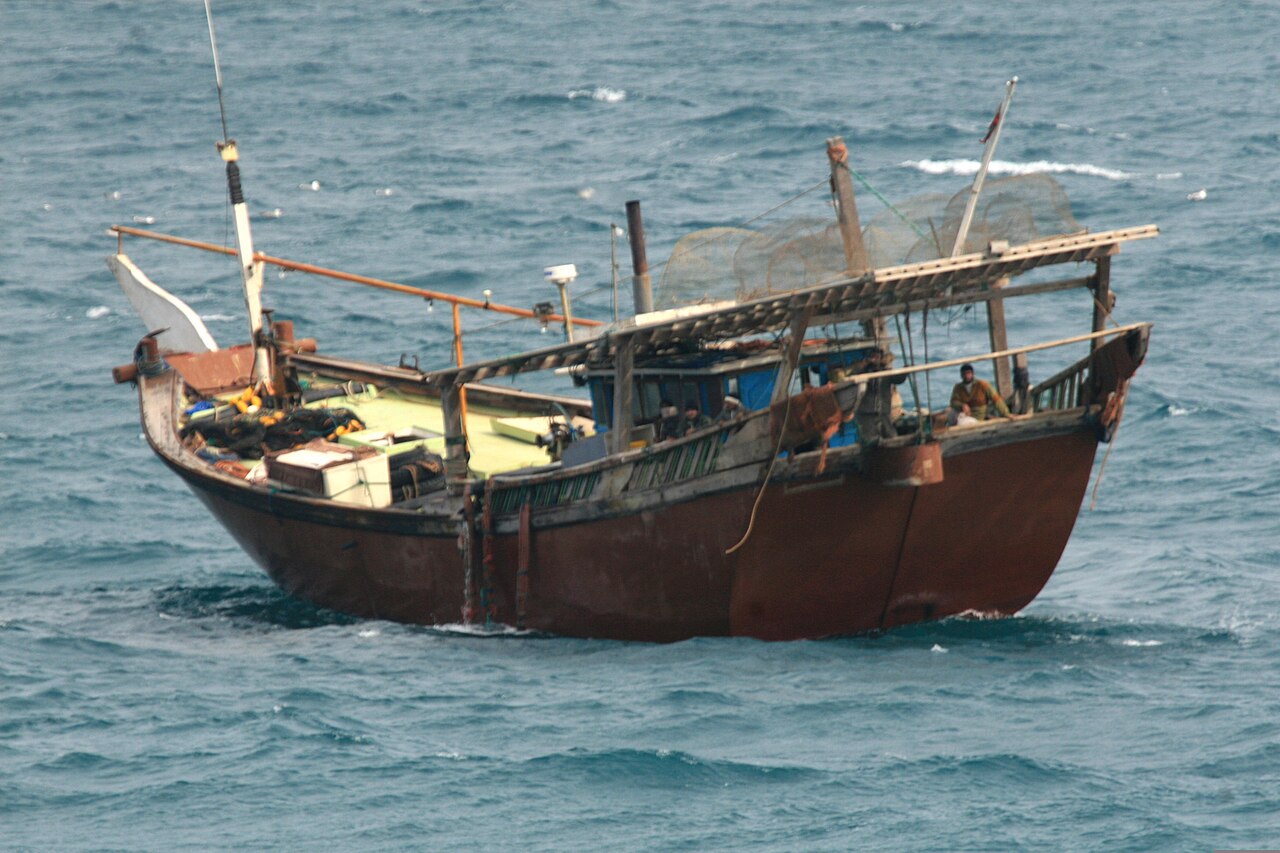
Three were tankers already under US sanctions. The fourth was a small Iranian fishing boat.
Windward published its findings on 29 October. The Financial Times picked it up a few days ago, and that's how most people found out.
So what did these ships actually do?
Windward says they sailed normally for most of their trip. Then they hit a cable corridor, and everything changed.
In Windward's own words, they quote "sailed normally until they reached a specific cable corridor, and only then slowed, looped, turned back, loitered or went dark".
That small fishing boat sat over two cables, called the Europe India Gateway and Transworld, for five straight days.
Two of the three tankers were empty. No cargo at all.
One of them, the Celestial Sea, circled the 2Africa cable for more than four hours on 14 October. Then it switched its tracker off for 86 hours straight. When it came back online, it was nine nautical miles away.
Here's the thing about that ship. US Marines boarded it back in May, in the Gulf of Oman.
Its owner is a company called Glory International FZ. The Financial Times asked them for comment. They didn't answer.
And there was another one. A tanker run by Iran's own state tanker company crawled at under one knot for about ten days, between the ports of Jask and Chabahar. It passed within a few miles of four separate cable routes. It switched its tracker off again and again, once for 33 hours.
By the time Windward published, three of the four ships were still dark.
So what does Windward actually think is going on? They say the pattern quote "fits the profile of mapping the cable routes, or placing charges or mines on them while dark".
Now here's why this matters so much.
Six cables run through the Strait of Hormuz right now. Three more are being built.
Iraq, Kuwait, Bahrain and Qatar depend on those cables completely. That's their entire connection to the rest of the world.
One of those cables, 2Africa, is owned by a group that includes Meta, the American company. Vodafone, Orange, AT&T, Verizon, BT and China Mobile are in on it too.
And the timing is not random. Iran has been saying this out loud for weeks.
On 19 October, Iran's Revolutionary Guard Corps said seven major undersea internet cables run through the Strait of Hormuz, carrying all commercial and internet data, and warned that new targets and new weapons were coming.
Comments
None yetAlready a member? Log in.