Why this mattersSo why does this matter so much?
Because a nuclear plant can't just go dark.
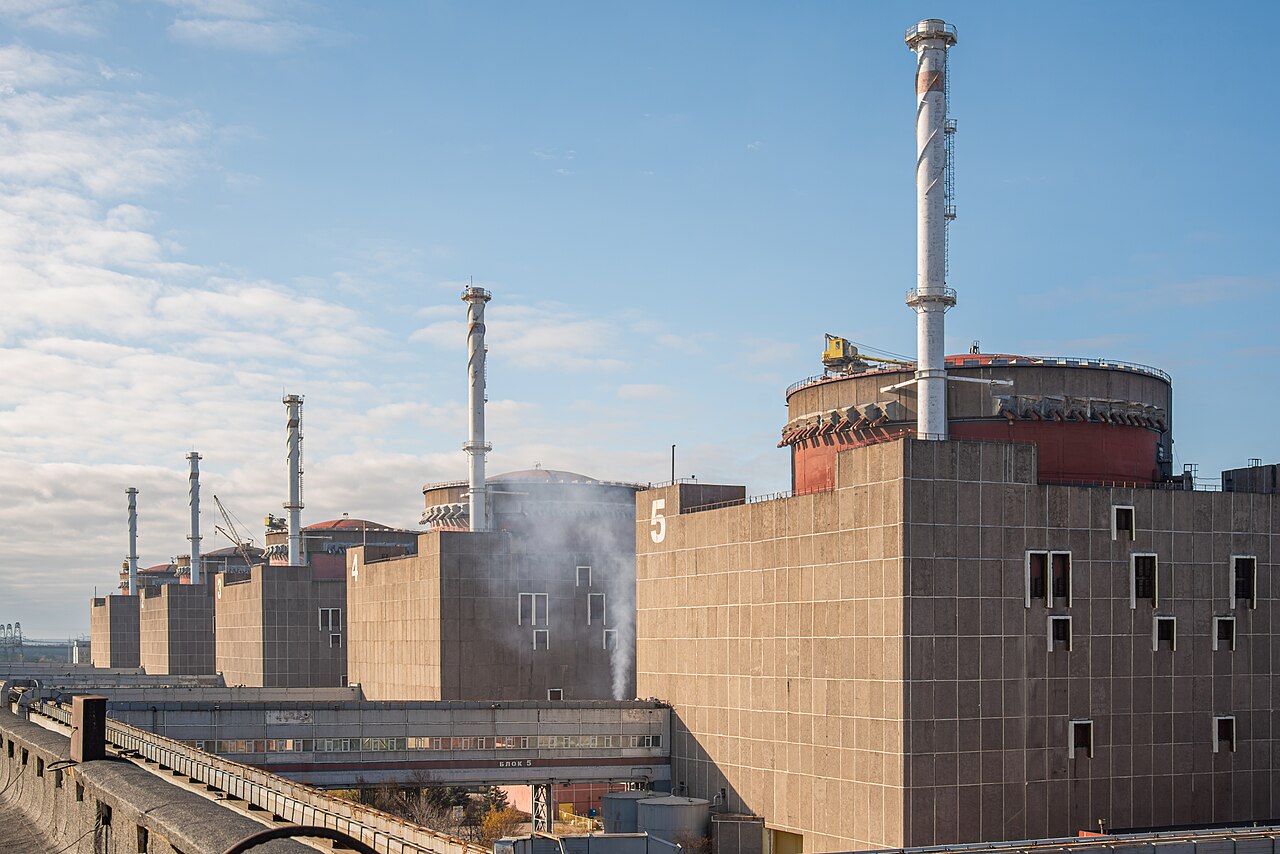
All six reactors at Zaporizhzhia are shut down already. But shut down doesn't mean safe to ignore. The fuel inside is still hot. It needs water constantly moving around it, or that heat starts causing damage.
Right now, diesel generators are the only thing moving that water.
And Energoatom, the Ukrainian operator that used to run this plant, says that's genuinely dangerous. Energoatom says blackout mode risks safety systems and the fuel-cooling system failing if the generators break down or run out of fuel, which could lead to a radiation accident.
So this isn't routine. This is the failure mode everyone's been worried about.
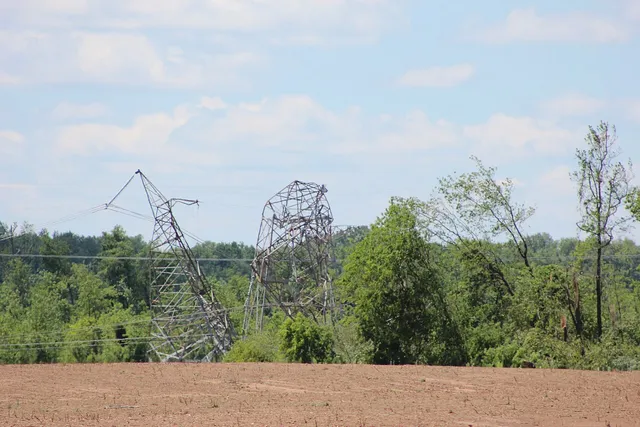
Here's the number that explains why. Before the war, Zaporizhzhia had ten separate power lines feeding it. Ten. Now it has one. Ferrosplavna-1. One line, and that line just failed for the 16th time this year.
That's not a one-off. That's a plant with no backup plan left.
And it's happened for a long stretch before. In June, the plant ran on generators alone for almost three days straight after this same line went down.
Rafael Mariano Grossi runs the IAEA, the UN's nuclear watchdog. A day before this happened, he was already warning that one single power line is a serious safety risk. He'd asked for more diesel stockpiled before winter.
So why does this keep happening? Energoatom's answer is simple. The plant is occupied. Energoatom says the repeated loss of outside power is a direct result of that occupation, and says safety can only really be fixed if the plant goes back to Ukraine and back to Energoatom.
Zaporizhzhia has been under Russian military control since early 2022. Ukrainian staff still work there, under Russian-installed management.
What we don't know: what actually broke the line this time. When it gets fixed. And how long the diesel will last — Ukraine's military intelligence has said before that the plant burns through around 150 tonnes of diesel a day in a full blackout.
So right now, Europe's largest nuclear plant is being kept cool by generators, on a site that two countries are fighting over, for the 16th time this year.