Why this mattersSo here's why this one is different.
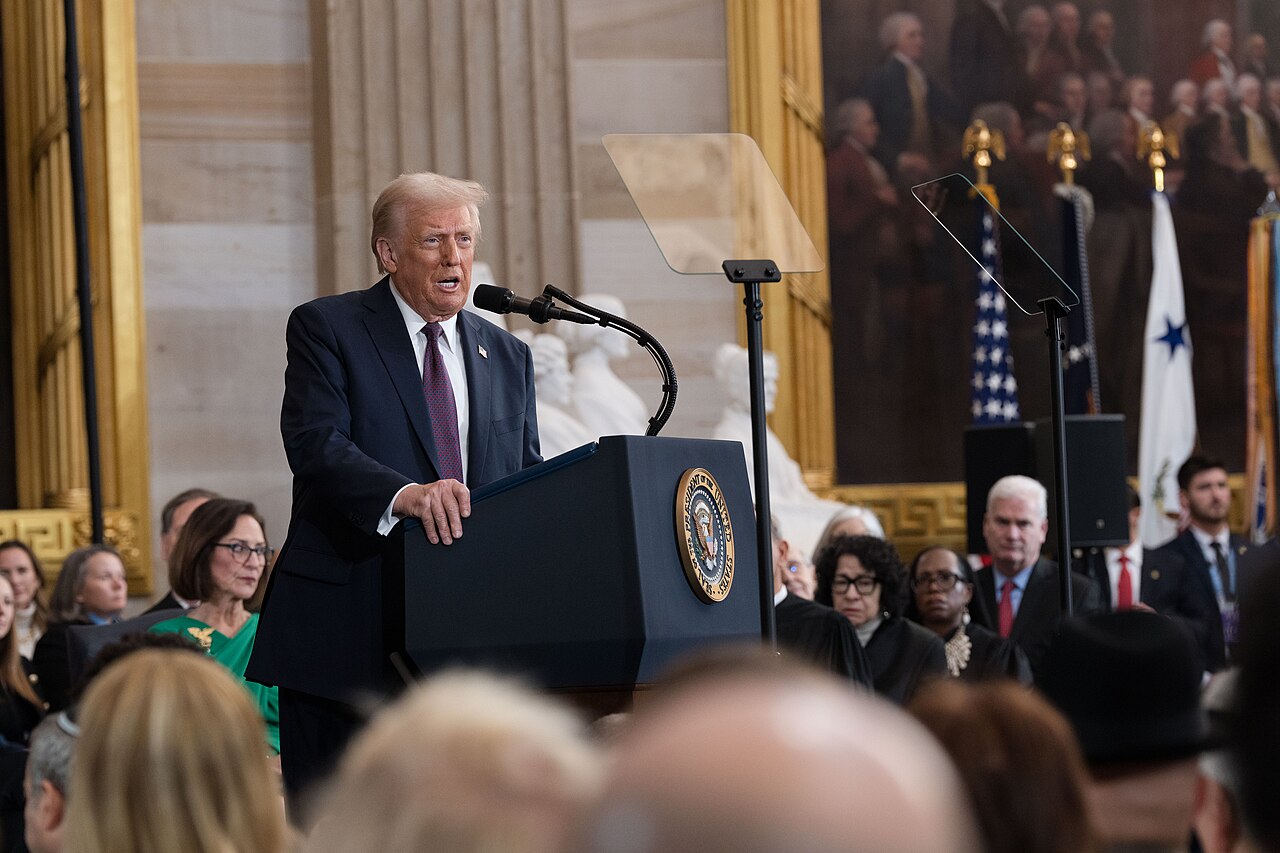
This is the first time, according to Politico's reporting, that Trump has put any kind of timeline on removing Cuba's government by force.
But there's no date. There's no plan laid out. Just "before I leave."
And Cuba has been bracing for this since January. That's when the US captured Venezuela's leader, Nicolás Maduro, and brought him to America. Cuba has been running defence drills ever since, in case it's next.
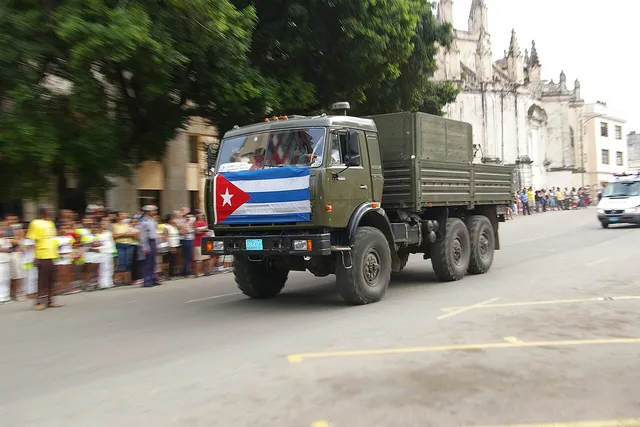
Nine days ago, Cuba ran its biggest military exercise of the year. It's called Moncada 2026. Tanks moved by rail. Armoured vehicles rolled through cities. The whole country, mobilised.
Here's the twist though. That exercise started and finished before Trump's interview even happened. So Díaz-Canel isn't replying to one remark. He's replying to months of pressure, and Trump's comments are just the newest part of it.
And the pressure isn't only military talk. It's money too. Washington has added fresh sanctions this month on oil tankers, shipping companies, and ten people and firms tied to Cuba's government and military. Cuba already has blackouts. Food and fuel shortages. The government blames the US embargo for all of it.
So will this turn into an actual war? People who watch Cuba closely mostly don't think so. They think more sanctions is still the more likely path, not troops.
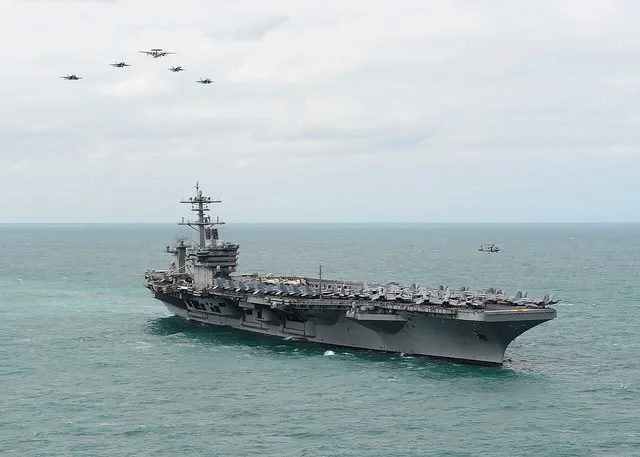
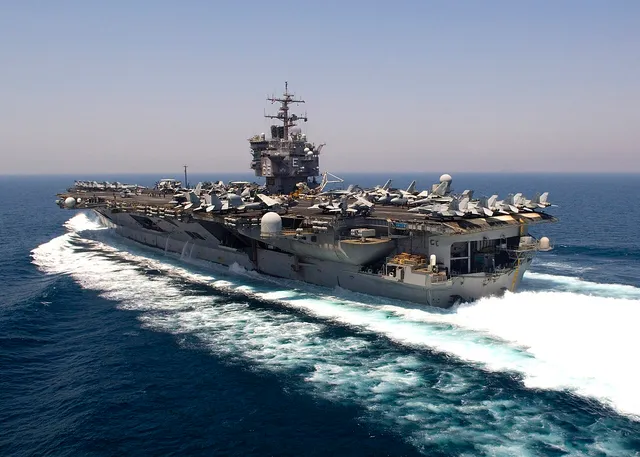
But Trump has raised force before. Last month, he suggested American warships heading home from the war with Iran could just sail to Cuba and sit there. He said that alone might make Cuba's leaders give up.
And Washington still has a live arrest warrant out for Raúl Castro, Cuba's former president.
Díaz-Canel didn't say Trump's name. But he didn't need to. He pointed straight at repeated threats from US politicians.
So what don't we know? Whether Trump's words become a real military plan. Whether Cuba arming up stops the US, or pushes it closer. And when, if ever, "before I leave" actually happens.
Right now, both sides are talking. Neither has moved.