Cuba just activated wartime structures and Trump is weighing military action
2 days ago · 14 November 2026Share
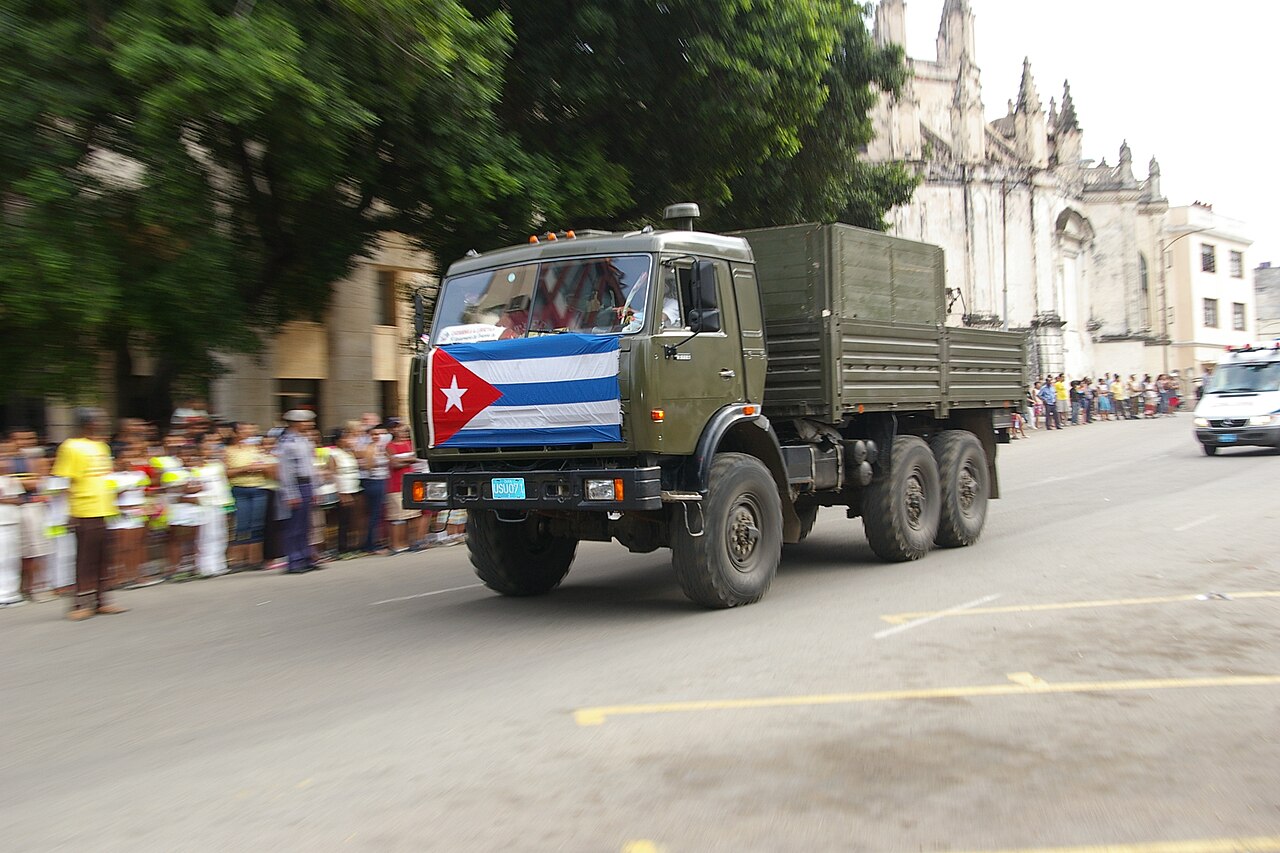
A Cuban military truck participates in the 50th anniversary parade of the Cuban Revolution in Havana on January 7, 2009. File photo. Thomassin Mickaël from Tequila, Jalisco [Mexico], Mexico · CC BY-SA 2.0
Cuba just put its military on a wartime footing.
Miguel Díaz-Canel, Cuba's President, says the country has activated wartime structures to work during peacetime.
He said it himself, a day ago, standing in Boyeros, a municipality of Havana that's home to José Martí international airport.
It was a Zone Defence Council session. Cuba runs one every Friday. It's called National Defence Day.
So why does this one matter more than the others?
Because of what Díaz-Canel said next. Cuba has the decision to reject any attempt at foreign military aggression, he said, and is preparing for that. He said Washington's repeated rhetoric of threatening military aggression is what pushed Cuba to activate wartime structures in peacetime.
He didn't say Donald Trump's name. He talked about US spokespeople and politicians instead, and said their words encourage aggression against Cuba.
But the timing gives it away.
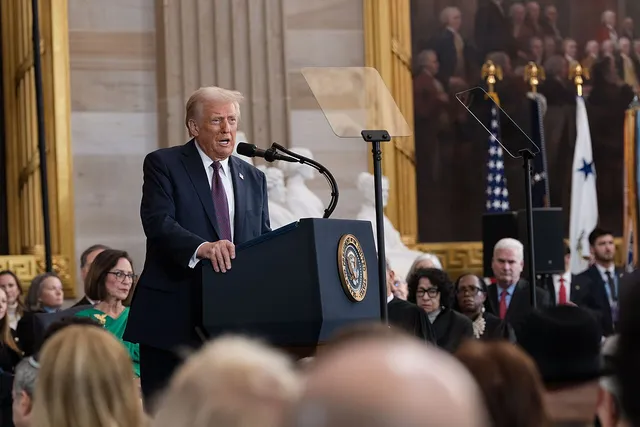
A couple of days ago, Donald Trump told radio host Hugh Hewitt that he wants to get Cuba done before he leaves office. Hewitt had asked him straight out: would he use military force to free Cuba? He'd already floated a one-week campaign to topple the government. Donald Trump's answer, as reported, was that he would certainly consider it.
That's the US President, on the record, saying he'd weigh military action against Cuba.
He didn't stop there. He said Cuba is doing very poorly. He called it essentially a failed nation. Donald Trump says quote "We're watching it very closely". He named Marco Rubio, the Secretary of State, as the man running Cuba policy.
And a few days before that, at the White House, Trump had already said he imagines Cuba's government will fall fairly soon.
His term ends in January 2029. He gave no operation, no date, no trigger. Just the warning.
And he's not the only one saying it.
The rest of this story is for members.
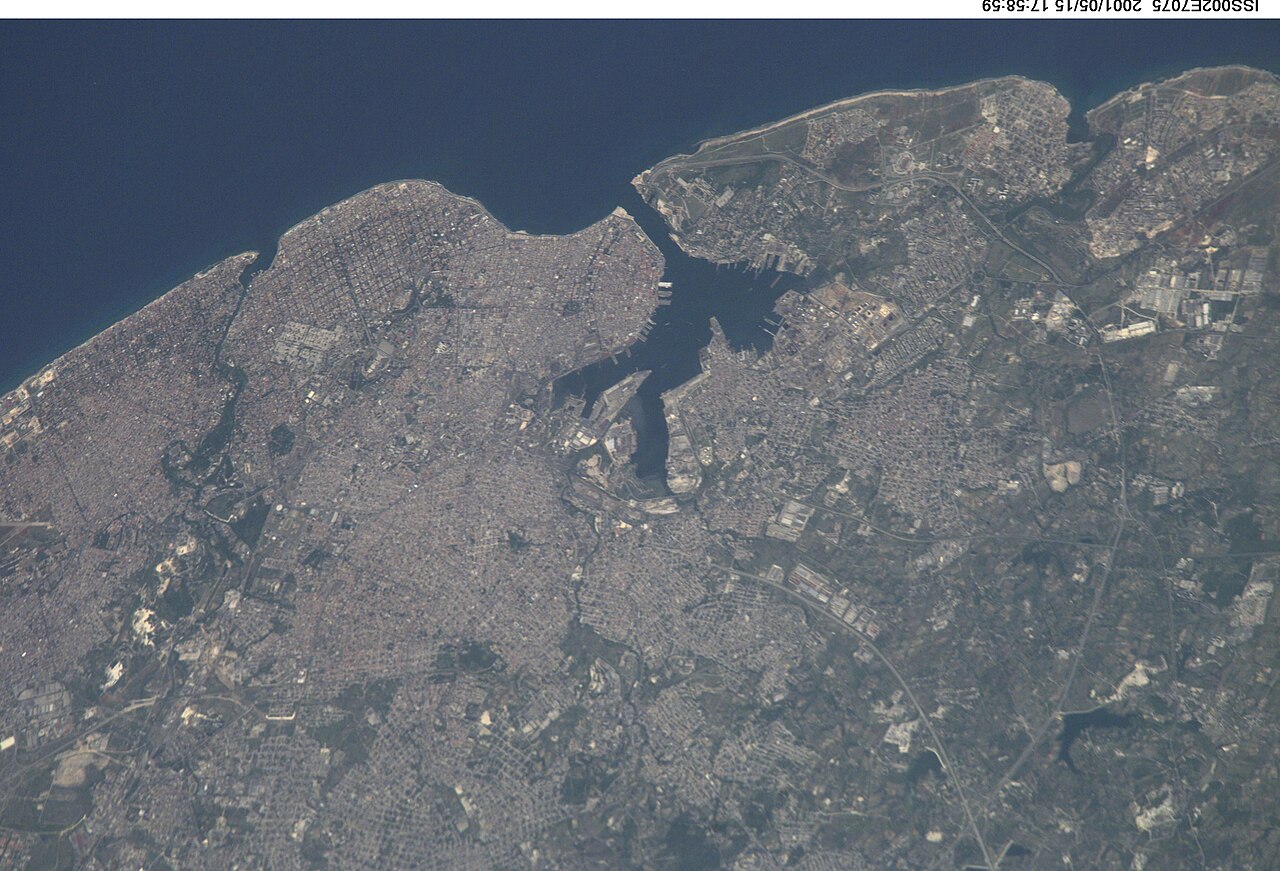
View of Cuba taken during ISS Expedition 2. File photo.Earth Science and Remote Sensing Unit , Lyndon B. Johnson Space Center · Public domain
Tommy Pigott, the State Department's spokesperson, went on Fox News a day ago and said a failed nation sitting close to US shores is a direct threat to American national security.
So that's two senior US voices, in the same week, describing Cuba in exactly the language used to justify military action.
Pigott also said something else. The US has offered Cuba $100 million in humanitarian aid. But only if it's independently verified to reach the Cuban people directly, bypassing the government.
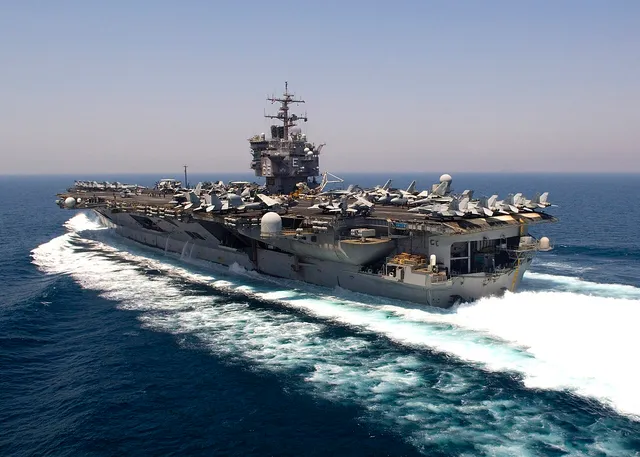
Cuba knows it can't fight the US on equal terms. A week ago, Cuba's representative to the UN said the island faces what he called a vastly unequal military disadvantage. Roughly 50,000 Cuban troops against 1.3 million US troops. But he said Havana takes the possibility of a US operation very seriously.
And this isn't the first warning either. Six months ago, Díaz-Canel told delegates from 36 countries that military aggression was imminent. He pointed to what Cuba calls the War of All the People doctrine — arming the whole population, not just the regular army.
At Boyeros, he pointed to something more recent. The Moncada 2026 Strategic Exercise, held ten days ago, which he says proves the country can defend itself. Boyeros alone is expected to run 36 production and defence brigades if a conflict starts. The town has just over 29,000 people, across about 15 square kilometres.
And he wasn't standing there alone.
Esteban Lazo Hernández, president of the National Assembly, was there. So was Roberto Morales Ojeda, secretary of organisation for the Communist Party's Central Committee. So were two generals: Álvaro López Miera, who runs the Revolutionary Armed Forces, and Lázaro Alberto Álvarez Casas, who runs the Interior Ministry.
That's Cuba's political, military and security leadership, standing together, at what's supposed to be a routine Friday exercise.
Díaz-Canel also repeated Cuba's long-running demand: end the US embargo. He called the pressure genocidal aggression. He pointed to a recent United Nations vote against the embargo as proof the world backs Cuba.
Here's what Cuba hasn't said. What activating wartime structures actually means on the ground. No new troop deployment has been announced. No mobilisation. No change to the country's defence strategy beyond the exercises it already runs every week.
And as of this speech, Donald Trump had announced no operation. Havana hadn't addressed the Hewitt interview by name either.
So what's actually changed here isn't Cuba's military position. That's stayed the same.
What's changed is that Cuba's president just stood next to his top military and security officials and said, out loud, that the country has shifted from peacetime to wartime footing — because of what the United States keeps saying about it.
Nothing here was paid for by an advertiser. Members are the entire business model. Bronze is where it starts, and it opens the last seven days in full.