Turkiye just brought Europe and the Middle East together over Iran and Yemen
1 hour ago · 23 October 2026Share
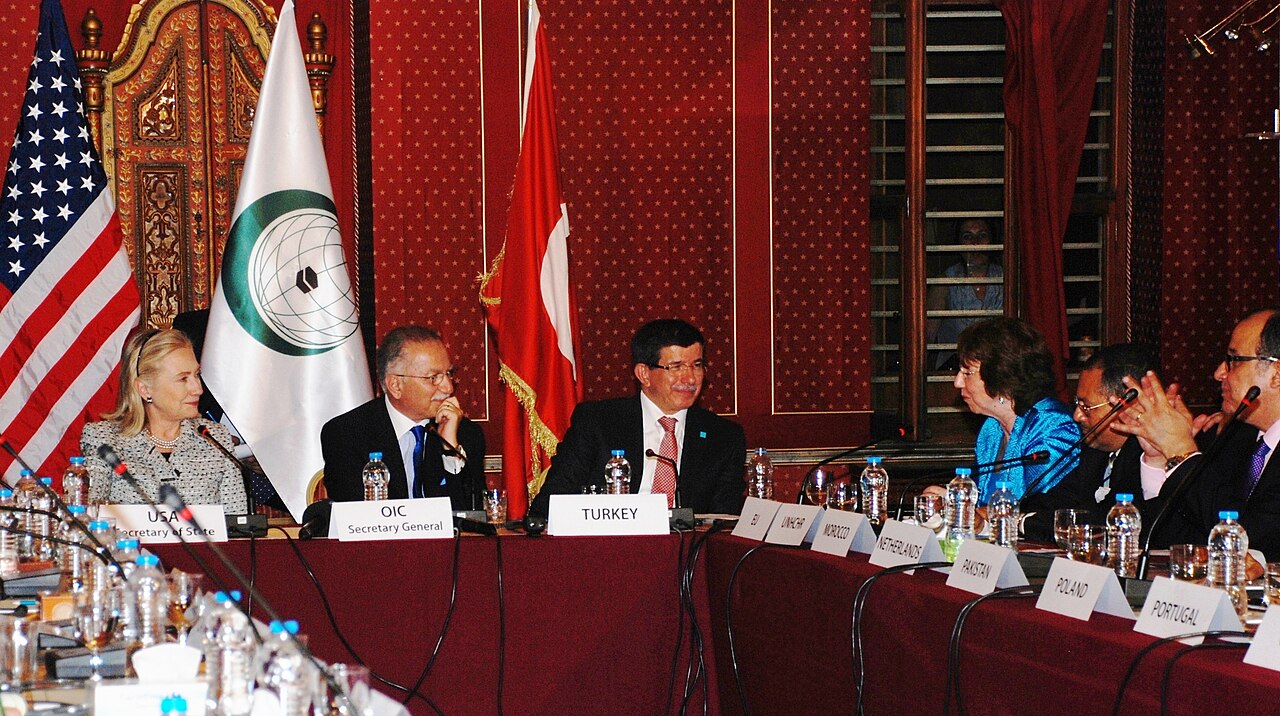
U.S. Secretary of State Hillary Rodham Clinton, Turkish Foreign Minister Ahmet Davutoglu, OIC Secretary-General Ekmeleddin İhsanoğlu and EU High Representative Catherine Ashton participate in the Organization of Islamic Cooperation Conference at the Research Center for Islamic History, Art and CultuU.S. Department of State from United States · Public domain
Turkiye is hosting a first today.
Seven foreign ministers, two blocs that have never sat down together before, all in one room in Istanbul.
One bloc is the R-4. That's Pakistan, Egypt, Saudi Arabia and Turkiye.
The other is the E-3. That's France, Britain and Germany, the group that's coordinated on Iran's nuclear programme for over 20 years.
Hakan Fidan, Turkiye's Foreign Minister, is chairing it. A Turkish diplomatic source says these seven countries have never met in this combined format before, and Turkiye is the one who called it.
So who's actually in the room?
Germany's Johann Wadephul. Britain's Ed Miliband. France's Jean-Noël Barrot. Egypt's Badr Abdelatty. Saudi Arabia's Faisal bin Farhan Al Saud. And Pakistan's Ishaq Dar, who is both Deputy Prime Minister and Foreign Minister, and who left Islamabad for Istanbul today. Up to a day before the meeting, Pakistan's Foreign Office hadn't even confirmed he was going.
Five things are on the agenda. The Israeli-Palestinian issue. The Strait of Hormuz. Yemen. Ending the war in Ukraine. And closer cooperation between this regional bloc and Europe.
That regional security starts with regional countries taking responsibility for it themselves. He was expected to say that cooperation should be built on regional ownership, not outside control.
The rest of this story is for members.
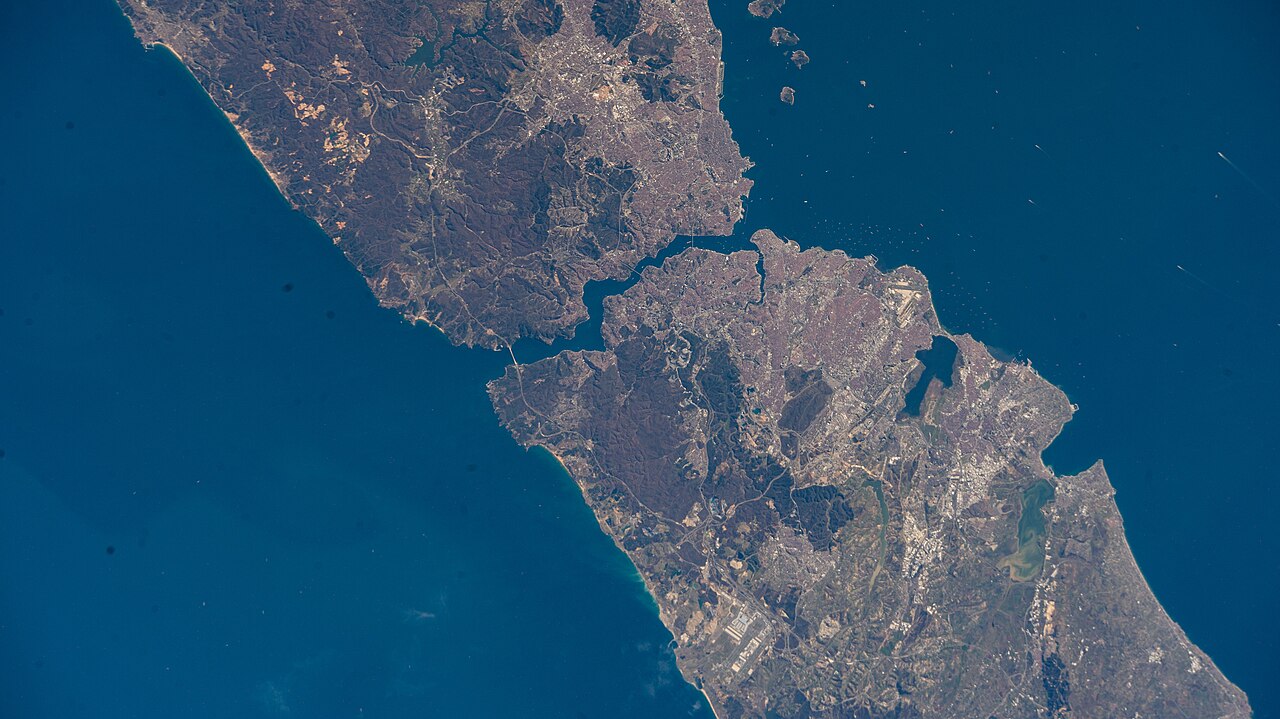
Contains modified NASA International Space Station imagery showing the Bosphorus Strait splitting Istanbul and connecting the Black Sea with the Sea of Marmara.NASA Johnson Space Center · Public domain
He was also expected to warn that none of these crises should spread into each other. He says quote "existing disputes should not be allowed to feed one another, conflicts should not be allowed to spread to new areas, and regional tensions should not be allowed to turn into broader instability".
And here's the thing. Fidan was also expected to push for more international pressure on Israel over settlement expansion. And to reaffirm Turkiye's backing for Saudi Arabia's security against Houthi attacks, under the Mecca Joint Defence Agreement that Turkiye, Saudi Arabia and Pakistan signed two months ago.
That pact isn't just words on paper. Britain this week sent RAF Typhoon jets to help defend Saudi Arabia's airspace from Houthi attacks.
Now, the R-4 itself isn't new. It's met six times since its first session in Riyadh back in March. It met again in Cairo in June, and in New York in September on the sidelines of the UN General Assembly. Two weeks ago the four countries put out a joint statement condemning Houthi attacks on Saudi Arabia, including one that hit King Khalid International Airport in Riyadh. Alongside today's joint session, the R-4 is also holding a separate meeting of just its own four members.
Today's talks are part of something bigger too. The ninth Istanbul Mediation Conference, running two days at the Hilton Istanbul Bomonti. Pakistan has been positioning itself as a mediator between the United States and Iran since that conflict began, and that's a big part of why it's sitting in both rooms today.
So what's actually come out of it?
Nothing yet. No outcome, no joint statement. Everything on the agenda, and everything Fidan is quoted saying, was briefed to reporters before the talks even started, by a Turkish diplomatic source and other people with knowledge of the plans. Not confirmed afterwards.
No concrete steps on maritime security have been announced either. Ministers were only expected to stress that free navigation through Hormuz and Bab al-Mandab matters.
And there's no sign the United States is being consulted or brought into this format at all.
Seven foreign ministers. Five crises on the table. Right now, it's a meeting that's still happening — not one that's delivered anything yet.
Nothing here was paid for by an advertiser. Members are the entire business model. Bronze is where it starts, and it opens the last seven days in full.