Iran just ran out of oil to sell and its government cash is drying up
1 hour ago · 22 October 2026Share
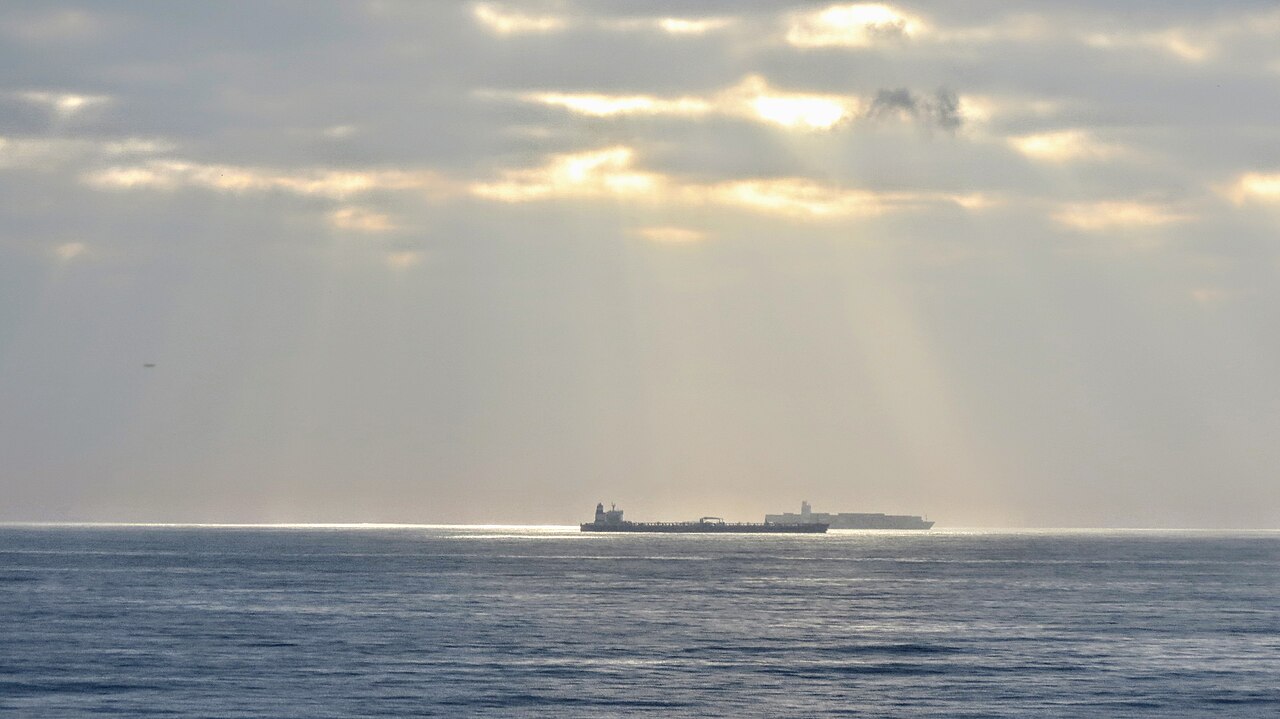
A large oil tanker waits to enter Durban harbour. File photo. Clusteringcoefficient · CC BY-SA 4.0
Iran's oil stockpile at sea has just run out completely.
And that stockpile was the government's cash machine.
So here's what happened. Iran keeps oil on tankers, floating at sea, and sells it to China. That stash peaked at almost 90 million barrels earlier this year. By 5 October it was down below one million barrels, according to Kpler, the firm that tracks tankers. Now it's gone completely.
And that matters because oil sales normally make up 30 to 40 per cent of Iran's entire government revenue. Almost all of it goes to China.
Homayoun Falakshahi runs crude-oil analysis at Kpler. He told the Wall Street Journal there's no more oil to discharge to China anymore.
So that's a tanker-tracking expert saying the pipeline from Iran's floating storage to Chinese refineries is empty.
Why now, though? Well, America put a naval blockade on Iranian oil shipments back in April. It got lifted in mid-June during peace talks, and Iran used that window to rebuild its stockpile fast. Then Washington brought the blockade back in mid-July. And the stockpile has been draining ever since, with nothing coming in to replace what gets sold.
The numbers show just how bad this is. Iran shipped zero oil from its own ports in September. Zero. That's the first month with no crude loadings at all since Kpler started tracking Iran back in 2013.
And exports through the Strait of Hormuz were already collapsing before the stockpile even ran dry — from about 1.85 million barrels a day in March and April down to 240,000 barrels a day in August.
The rest of this story is for members.
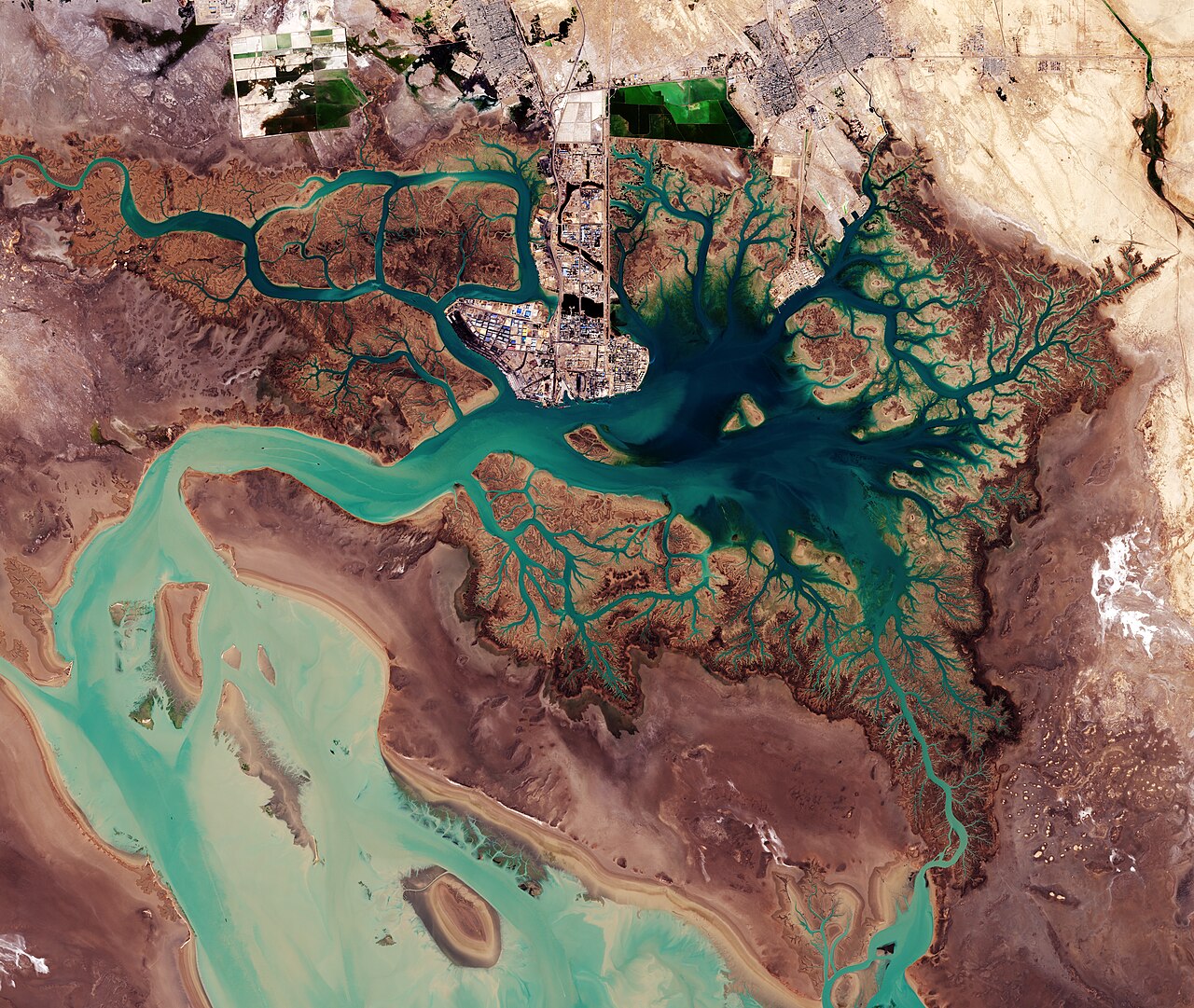
Contains modified Copernicus Sentinel-2A satellite data of Musa Bay on Iran's Persian Gulf coast, showing the port city of Bandar Imam Khomeini and surrounding infrastructure. File photo. European Space Agency · CC BY-SA 3.0 igo
US Central Command says the blockade has cost Iran at least $25 billion in lost oil revenue. Admiral Brad Cooper, who runs Central Command, says Iran-backed groups — Hezbollah, Hamas, Shiite militias in Iraq — are now sending their own money to the Revolutionary Guard because of the pressure. On top of that, America and the Treasury have frozen $350 million in Iranian cryptocurrency in recent weeks.
But here's the thing. Not all the money is gone at once. Payments from China for oil already delivered can take up to two months to land. So some cash from earlier sales might still come through, even with the reserves at zero.
Iran has also tried moving crude overland by truck to its neighbours, and using old, derelict storage tanks. People who study the tanker data say none of that can replace what seaborne exports used to bring in.
Now, the exact numbers do shift depending who's counting. Vortexa put Iranian crude stored off Singapore at about six million barrels on 9 October. United Against Nuclear Iran estimated Southeast Asian reserves at 10 million barrels or less by early October, and said it couldn't pin the figure down exactly, so it stopped short of calling the stockpile fully gone. Kpler's numbers are the newest and the most specific. And Kpler says it's empty now.
Iran's government rejects all of this. Abdolnaser Hemmati, who runs Iran's central bank, told an IMF meeting in Bangkok last week that the economy has stayed resilient through the pressure. Mohsen Rezaei, who heads Iran's Supreme National Security Council, has said Iran is still selling oil and still getting paid for it — but that remark came when reserves stood at around 29 million barrels, weeks before this latest finding that they're now at zero. So it isn't a direct answer to this.
And neither man has given export volumes, payment routes, or any proof that revenue is actually reaching Iran.
So what don't we know? How Iran plans to cover this gap, now that a floating reserve once worth an estimated $10 billion or more is empty. How much cash from old Chinese sales is still moving through the payment pipeline. And what backup plan the government has beyond overland trucking — which can't cover the shortfall, by Kpler's own reckoning.
One more thing. The rial has lost a third of its value against the dollar over the past three and a half months. And China has been turning to Brazil and West Africa instead of Iran to fill its refineries. Iranian oil was never more than about 2 per cent of China's total energy supply — which is exactly why Beijing can shrug this off, and Tehran can't.
Nothing here was paid for by an advertiser. Members are the entire business model. Bronze is where it starts, and it opens the last seven days in full.