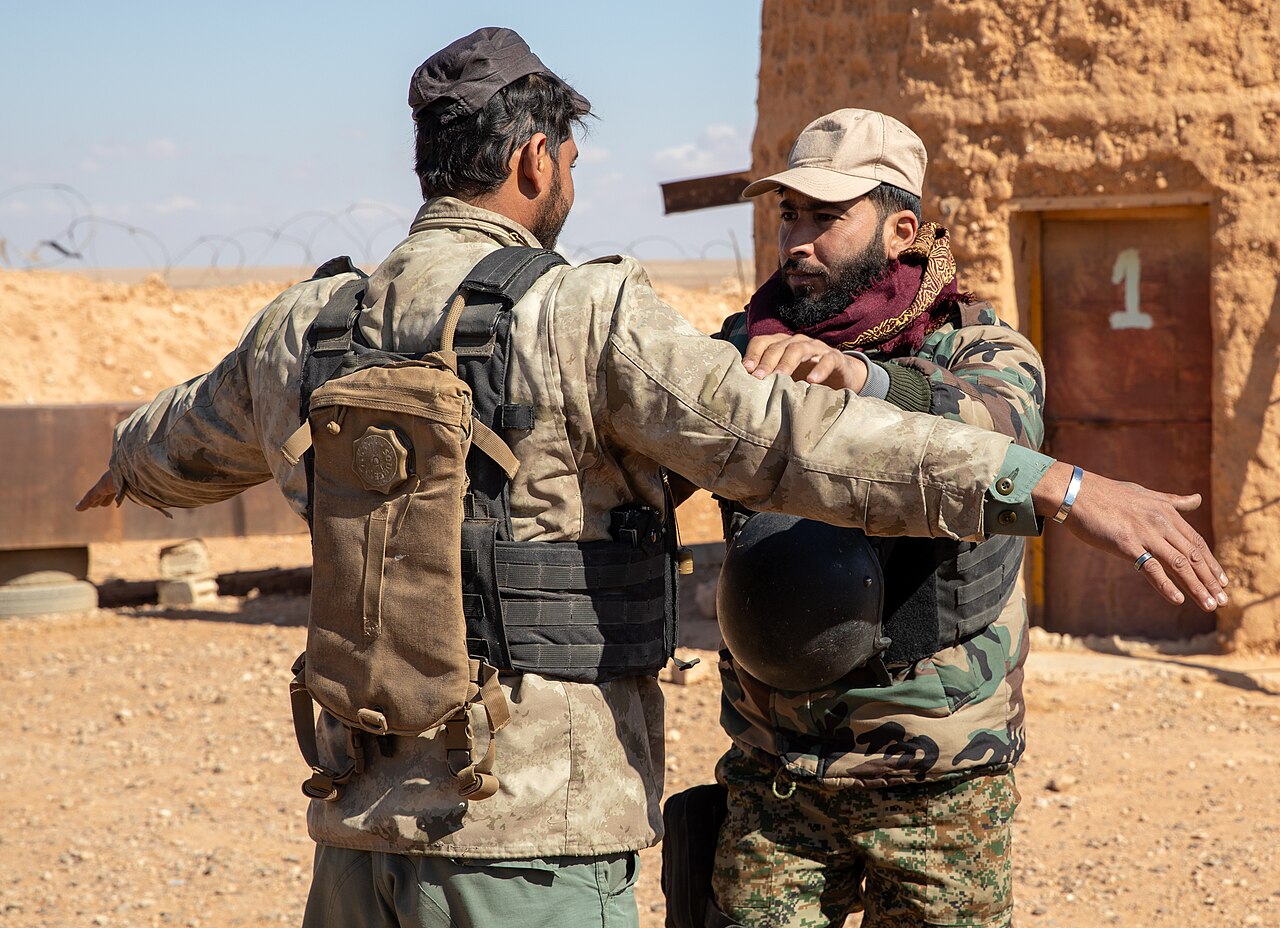
Three people are in custody. Syrian intelligence says it also dismantled rocket launch platforms the cell had built.
That's everything we know.
Why this mattersSo why does this matter?
This is the third time in under three months that Syria's new government has said it stopped Hezbollah moving weapons or people through its territory.
About two weeks ago, Syria arrested a Hezbollah cell in western Damascus province. It seized rocket launchers, 19 Grad rockets, anti-tank missiles and ammunition.
In August, security forces in Tartous caught a weapons cache headed for Lebanon.
In July, Syria's Interior Ministry intercepted long-range missiles, guided anti-tank missiles and drones near the Iraqi border, on their way to Hezbollah.
In February, it caught a cell that had used rockets and drones from Hezbollah to attack Damascus.
That's a pattern. Not a one-off.
Here's why it's happening. Syria's government is now led by Ahmed al-Sharaa, who took power after Bashar al-Assad was toppled in December 2024. Hezbollah fought on Assad's side during the civil war. So the new Syrian authorities have made a point of saying they won't let their country be used to smuggle weapons or stir up trouble.
And Hezbollah needs Syria more than ever. It lost its main weapons supply route from Iran when Assad fell.
Hezbollah is also weaker than it's been in years. In March, it dragged Lebanon into the wider regional war by firing rockets at Israel. Israel hit back with airstrikes and a ground invasion of southern Lebanon. Add that to the fighting in 2023 and 2024, and Hezbollah has taken a beating.
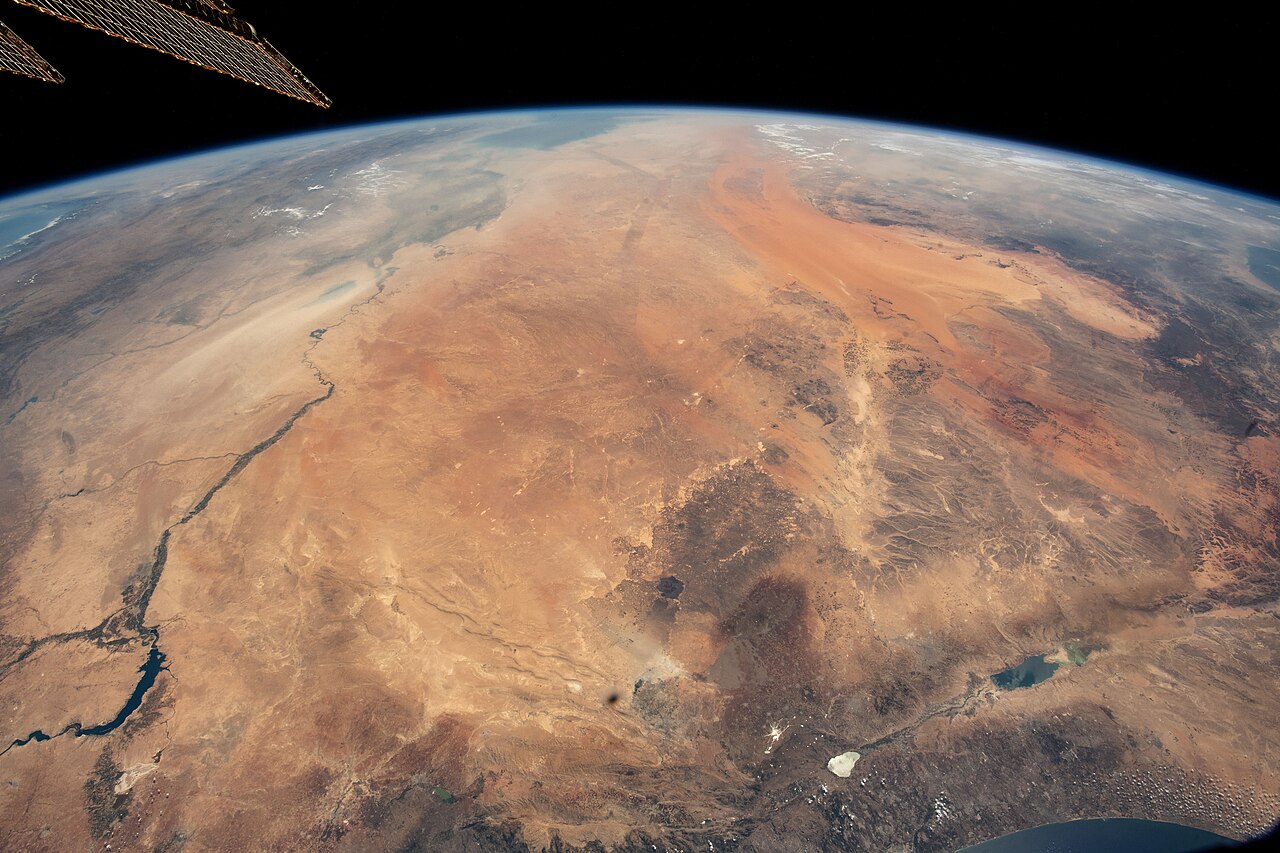
Now, the location matters too. The Yarmuk basin sits right next to the Golan Heights — land Israel took from Syria in 1967 and later annexed, a move only the United States and Colombia recognise. Israel has hit targets inside Syria hundreds of times since Assad fell. It has also sent troops into a UN-patrolled buffer zone that's kept Israeli and Syrian forces apart since 1974, and says it plans to keep troops in a "security zone" in southern Syria.
And the timing lines up with something else. Hours before Syria's announcement, Benjamin Netanyahu said there were indications that Israel's enemies could try to attack before Israel's elections on 27 October. He said quote "our long arm will reach you anywhere, anytime". Israel's Defence Minister, Israel Katz, has also repeatedly warned Iran and Hezbollah that Israel will hit back against any attack.
So what don't we know? Who the three suspects actually are. What they were planning to hit. And whether Hezbollah or Iran will say anything about this specific case.
Here's the picture right now. A Syrian government that keeps finding Hezbollah weapons on its own soil, right next to the Israeli border. And it's happening in the same weeks that Israel's leaders are warning their enemies not to test them.