Spain just got accused of letting soldiers torture migrants in Ceuta
1 day ago · 30 September 2026Share
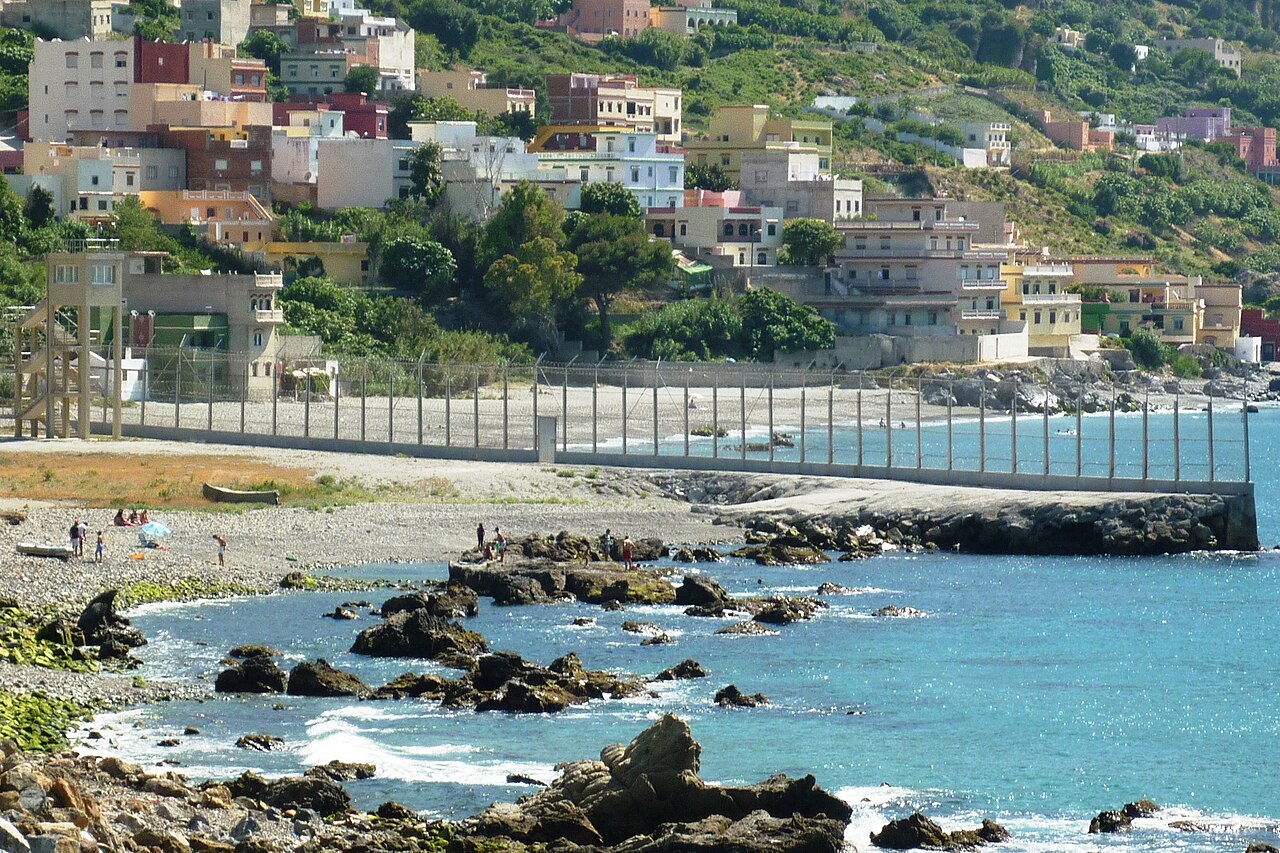
The Ceuta border fence separates Spain from Morocco. File photo. Mario Sánchez Bueno from Ceuta, España · CC BY-SA 2.0
Amnesty International just published a report on Ceuta.
It says Spanish soldiers beat migrants there. Humiliated them. Threw them out of the country with no process at all.
And Spain's own Defence Ministry isn't denying it. Today, the same day the report came out, it sent the whole thing to prosecutors.
So how did Amnesty get this? Its researchers spent five days in Ceuta, from 10 to 15 September. They talked to more than 65 migrants and asylum seekers. 31 of them were children. 26 were women, two of them pregnant.
22 people gave direct testimony. They named soldiers. Beatings. Harassment. Humiliation. Soldiers stealing their money. Soldiers smashing or taking their phones.
Amnesty says this isn't random. It says the pattern points to two specific units — the Regulares and the Legion.
Some of what people described is brutal.
One migrant uses a wheelchair. He says soldiers pushed him off a height of more than six metres. His ankles, arms and torso were badly hurt. Amnesty says he only got an emergency bandage. No X-ray.
A young Moroccan man says a soldier pushed him from a height near the San Antonio chapel. He says he couldn't walk for 25 days after that.
A Moroccan man and an Algerian man say soldiers beat them with batons and punched them while their hands were tied with cable ties. Amnesty checked their bodies. It says the marks match what they described.
Then there's the night pattern. Amnesty documents hooded soldiers beating migrants, or spraying them with something that burns. Then pushing them back over the Tarajal fence into Morocco. No paperwork. No process.
One Yemeni asylum seeker says this happened to him. He says he was handed straight to Moroccan police. Amnesty says it has seen documents backing his story up.
And here's the line that says it all. Amnesty's own researchers recorded it. They asked a soldier why a group of migrants was being moved off a bench near the city centre. He told them says quote "we have orders to make sure they don't feel comfortable".
That's not one bad moment. That's a soldier describing a policy.
The rest of this story is for members.
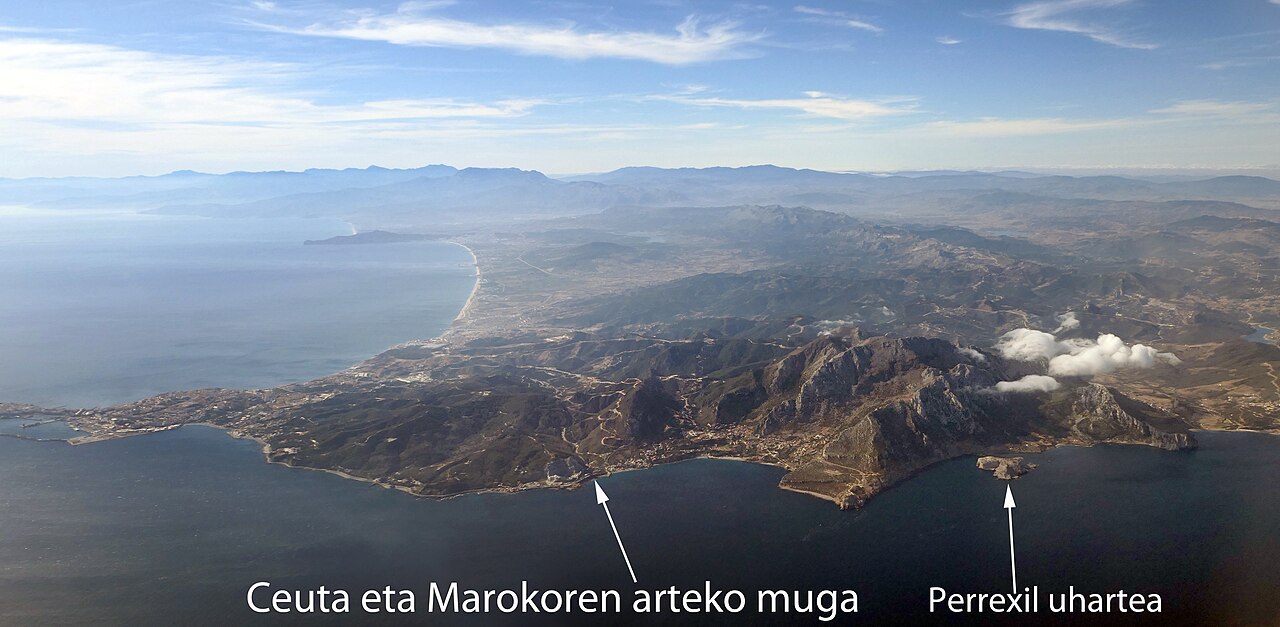
An aerial view of Ceuta and Morocco shows the Spanish exclave's geography and proximity to Morocco. File photo. Adam Cli · CC BY-SA 4.0
Amnesty's team felt some of this pressure too. On 11 September, while they were still investigating, the National Police stopped them and demanded ID. Soldiers insulted them near Ceuta University Hospital.
Amnesty says all of this, taken together, could be torture. Or other cruel, inhuman or degrading treatment. Under international law.
So why is this happening in Ceuta? Somewhere between 70,000 and more than 80,000 people crossed from Morocco into the enclave on 30 and 31 July. Outlets can't agree on the exact number.
Ceuta normally has about 84,000 people living there. That crossing nearly doubled the city overnight. More than 100 people died trying to make it.
Two months on, nothing has settled down. Amnesty's own figures show 2,383 unaccompanied migrant children have been identified in Ceuta. Between 500 and 700 children are still sleeping on the streets. Some are only 12 or 13.
And Amnesty has found something else. 39 victims of sexual violence since the crossing. 38 women, one man. 14 of them children. That's across 37 police investigations. 28 are still open.
So what has Spain actually done?
It hasn't denied any of it. The Defence Ministry sent the report straight to the Public Prosecutor's Office and to the Duty Court in Ceuta. It's told its Operations Command to investigate and find out who might be responsible. The ministry says it's doing this to protect the professional conduct and reputation of the armed forces.
That's a ministry choosing to investigate, not argue back.
But Amnesty puts the other side in too. More than 30 migrants have been arrested for attacking soldiers. Amnesty says that itself, in its own report. It says it understands the pressure the armed forces are under.
Spain has also promised some relief. This week it said it will open 1,200 new places for migrants in Ceuta. About 300 of those are for mothers with children. Right now, Ceuta's protection system holds 2,493 children. 213 have already been moved to mainland Spain.
Amnesty has written straight to Pedro Sánchez, Spain's Prime Minister. And to Ceuta's regional government too. It's asking for an urgent, independent investigation. And for migrants to get somewhere decent to live while all this plays out.
So what happens now? Nobody knows yet. Spain hasn't said if any soldier has been named. Or suspended. Or charged. And nobody has said whether this is still happening right now, today.
A soldier already told Amnesty's researchers what the policy looks like on the ground. Now Spain has to decide what it does about that.
Nothing here was paid for by an advertiser. Members are the entire business model. Bronze is where it starts, and it opens the last seven days in full.