Saudi Arabia just put its top general in charge of the losing war in Yemen
40 minutes ago · 17 November 2026Share
Gen. Fayyad Al-Ruwaili, chief of general staff of the Saudi Arabian Armed Forces, at a ceremony in Riyadh, Saudi Arabia, Aug. 21, 2025. File photo. U.S. Army National Guard photo by Master Sgt. Zach Sheely · Public domain
Saudi Arabia just put one man in charge of its whole war in Yemen.
King Salman issued a royal decree about a day ago. It strips Lieutenant General Fahd bin Hamad Al-Salman of command of the Saudi-led Joint Forces in Yemen. It hands that job to General Fayyad Al-Ruwaili.
And here's the thing. Al-Ruwaili is already Saudi Arabia's Chief of the General Staff. That means he runs the entire Saudi military. Now he runs the Yemen war too, on top of that.
So why does that matter? Because it's never happened before. Not once, in the eleven years since this command was created in March 2015. Every commander before him was a dedicated officer, below him in rank. Now one man holds the whole chain.
The decree came on the advice of Prince Khalid bin Salman, the Defence Minister. Fahd bin Hamad Al-Salman had held the Yemen command for about 26 months. He's now been given a new title: adviser for military affairs. No troops. No command.
So what caused this? A collapse on the battlefield.
A day before the decree, Saudi-backed forces pulled out of Dhubab Airport and the area around the Bab al-Mandeb Strait. That strait is one of the most important shipping routes on earth, and Saudi oil exports go through it too.
Two Western diplomatic sources told Reuters the command change is directly tied to that collapse.
And the Houthis are not stopping there. Al Jazeera reports Houthi fighters have advanced to within 60 kilometres of Aden — the seat of Yemen's recognised government. Reuters reporting, carried by CGTN and The Star, separately puts Houthi forces at Khor Omairh on the coast, about 100 kilometres west of Aden, and just 25 kilometres from government lines at Qawah.
Different points on the map. Same story. The Houthis are closing in on the one city the government has left.
Mohammed Al-Qadhi, a political and conflict analyst, says quote "The government was aiming to recapture Sanaa, but now they are defending Aden". He says the setbacks come from years of disagreement and infighting inside the government's own forces.
Think about that reversal. Three months ago, the government side was trying to take the Houthi-held capital. Now it's fighting just to keep its own temporary one.
This all follows a 40-day Saudi-backed offensive this autumn. The goal was to retake the Red Sea coast and the Bab al-Mandeb Strait. It failed.
The rest of this story is for members.
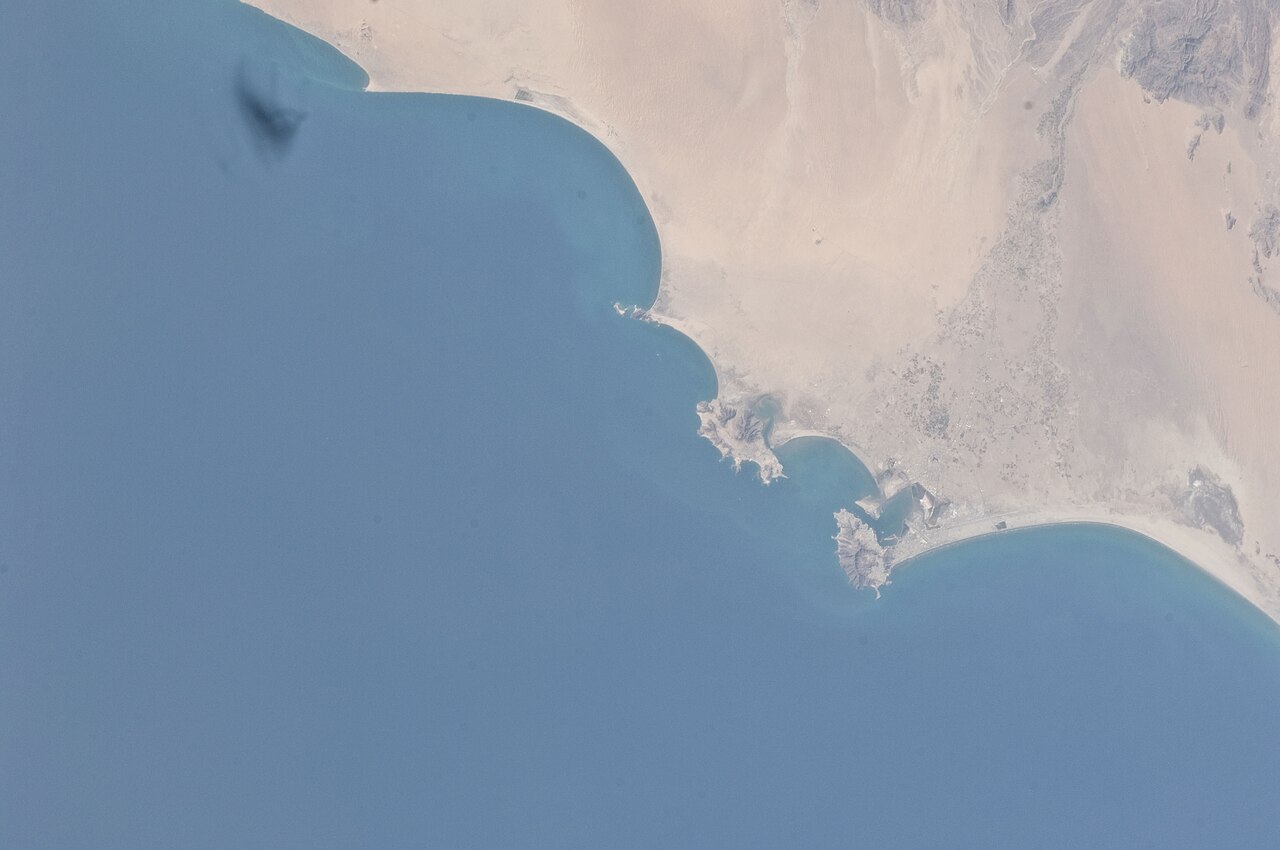
View of Yemen taken during ISS Expedition 22. File photo.Earth Science and Remote Sensing Unit , Lyndon B. Johnson Space Center · Public domain
The Houthis had already seized the port city of Mocha in September. Government forces retook nearby Dhubab in October. But they never got Mocha back. And now Dhubab is gone again too.
Ali al-Dahab, a strategic affairs expert, told Al Jazeera this was a retreat or a withdrawal, not a redeployment. He says the Houthis now control the entire western Yemeni coastal sector.
That's a direct rejection of how the government describes its own pullback. Yemen's government information minister calls it a tactical manoeuvre to reinforce Aden. Majed al-Nuzaili, who speaks for the Yemeni Armed Forces, posted on social media that it's part of the defence of Aden by the popular resistance and southern forces.
The Houthis haven't commented on the Saudi command change at all. But Houthi military voices say government troops are retreating under pressure.
So how does Aden feel right now? Anxious, not alarmed. Amin Mahmoud, a government employee in the city, told Reuters that food and fuel are still available. But people are worried about the retreat of government forces, and about the fighting getting closer.
And the human cost is already huge. The UN's human rights office has verified more than 300 civilians killed or wounded since the start of August. More than 70 of those are deaths. Nearly half of them are children. And the real number is almost certainly higher — this is only what's been verified.
More than 340,000 people have now been displaced by the renewed fighting, according to UN figures reported by CGTN. The House of Saud separately puts that number closer to 300,000, with about half coming from Taiz. Taiz, Yemen's third-largest city, is still under Houthi siege.
Here's how we got here. Yemen's civil war had mostly gone quiet since a 2022 truce. It reignited this year as a spillover from the wider war between America and Iran. Saudi Arabia sent forces against the Houthis, who are aligned with Iran and armed with missiles and drones.
Al-Ruwaili has been Chief of the General Staff since February 2018 — longer than any other officer in this war. He's a career Royal Saudi Air Force officer, trained in Saudi Arabia and the United States.
What nobody knows yet is whether putting him directly in charge of Yemen, on top of running the whole Saudi military, actually changes anything on the ground.
Pakistan has around 8,000 troops in Saudi Arabia under the Makkah Pact, with some reportedly in southern Yemen. Egypt has confirmed troops in the kingdom too. Turkey ratified the same pact earlier this month. None of them has said a word about the change of command.
Saudi Arabia's government media office did not immediately respond when Reuters asked for comment.
Aden is still standing. Whether General Al-Ruwaili changes that is the one question nobody — not Riyadh, not its coalition partners, not the Houthis — has answered yet.
Nothing here was paid for by an advertiser. Members are the entire business model. Bronze is where it starts, and it opens the last seven days in full.