Two plans are on the table. One is a focused push on the coast. The other hits four more fronts at once — Al-Bayda, Marib, Taiz and Al-Jawf.
That's everything we know.
Why this mattersSo why now?
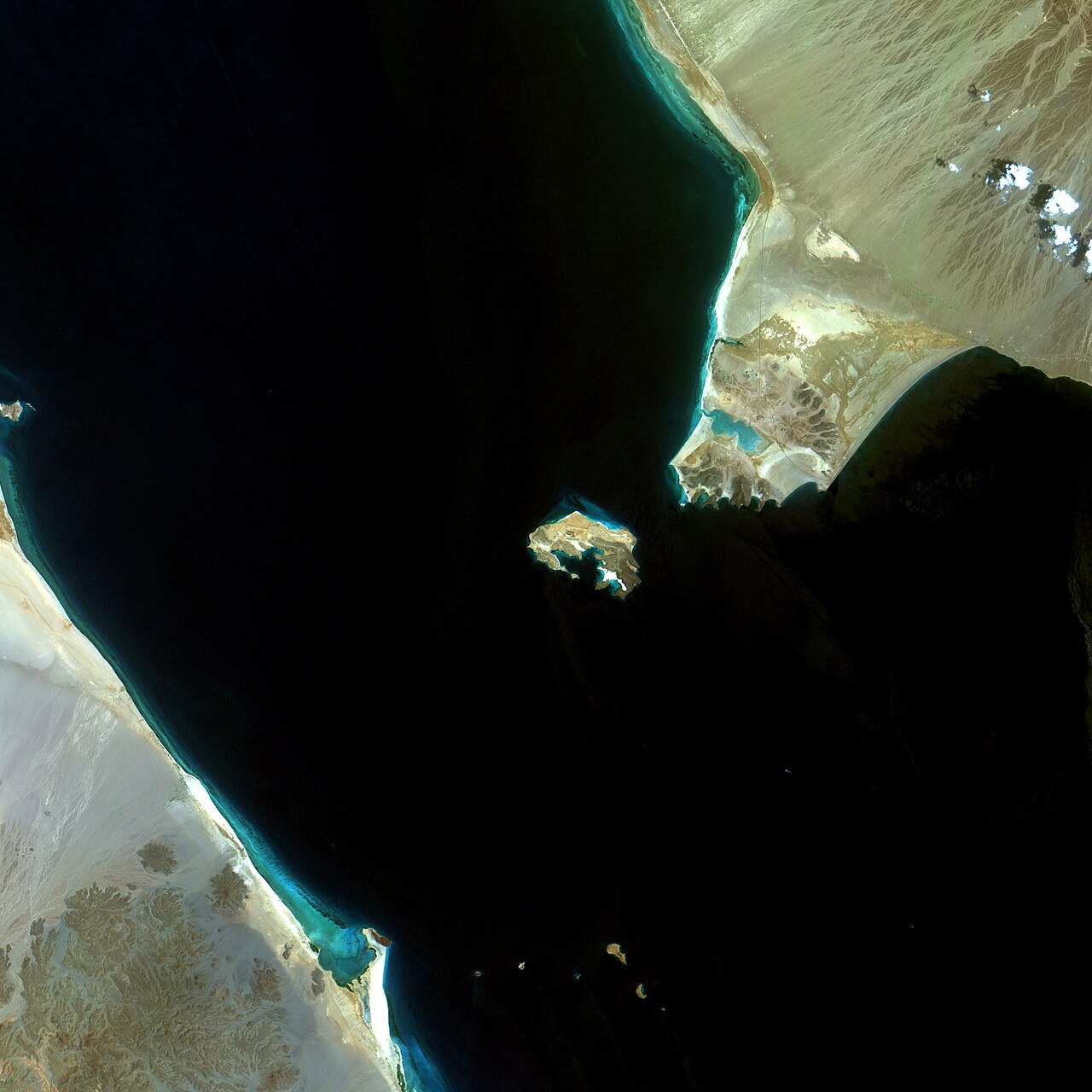
The Houthis took Bab el-Mandeb about three weeks ago. That finished their takeover of Yemen's whole Red Sea coast, including the port of Mocha and Mayyun island.
And that strait is huge. Around 12% of all global trade goes through it. So does 11% of the world's maritime oil, and 8% of its LNG.
Here's why that number hits harder this year. The Strait of Hormuz has been shut for months because of the war with Iran. Bab el-Mandeb was the backup route. Now the Houthis control that one too.
So Saudi Arabia has decided something simple. No peace talks work while the Houthis hold the strait. Taking it back has to come first.
And that's a big shift. Since September, Saudi Arabia and Yemen's government have mostly just been holding their lines, not pushing forward.
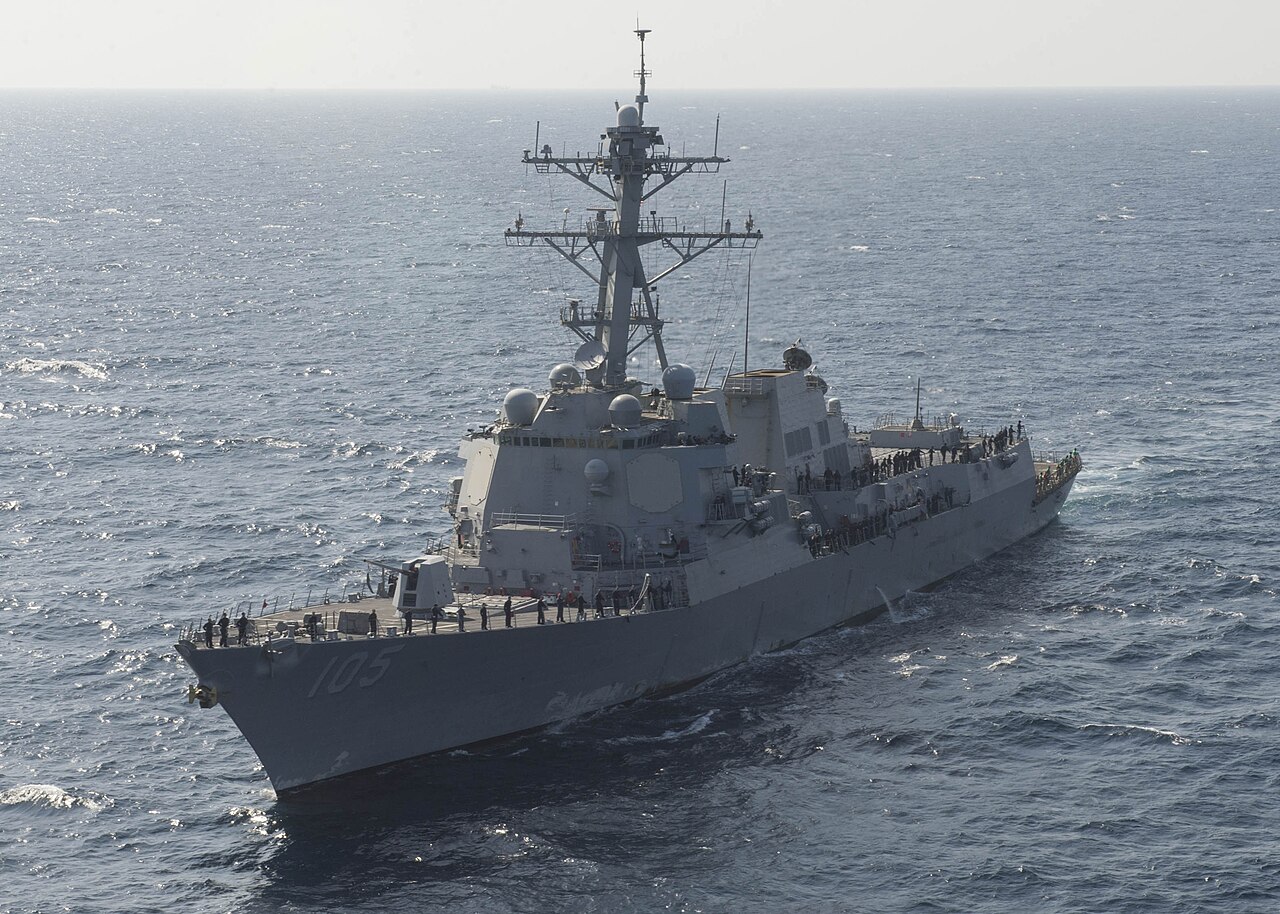
Mohammed bin Salman, the Saudi Crown Prince, asked President Donald Trump for American airstrikes. Trump said no. Washington is only sending intelligence and targeting information, not troops or planes.
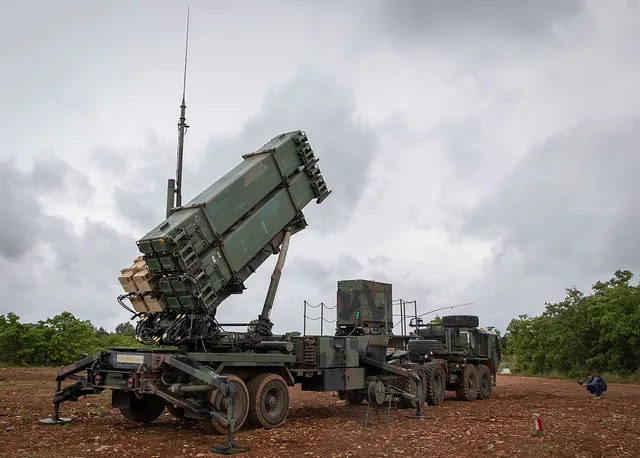
Other countries are already moving. Pakistan sent four cargo planes to Aden last month, packed with air-defence systems, light artillery, drones and counter-drone gear. Pakistan has also sent 30,000 to 40,000 troops to Saudi Arabia to guard the border and shoot down missiles — though it hasn't agreed to fight inside Yemen. Turkish drones already bought by Saudi Arabia are flying over Yemen right now. France says it's sending defence systems and troops to protect the Saudi port of Yanbu.
Michael Ratney, a former US ambassador to Saudi Arabia, thinks this will be smaller than the last big push. Back in 2015, Saudi Arabia sent in 100 warplanes and 150,000 troops.
Ratney says this would be a limited operation to retake coastal areas and get maritime traffic moving again.
That's a former US official saying this is about reopening the strait. Not conquering Yemen.
But there's a problem. The whole plan leans on Yemeni ground forces that are, by most accounts, not ready.
Mohammed Albasha, a Yemen expert, says quote "not organised or prepared" for a long fight against a disciplined Houthi force.
Ali Shihabi, a Saudi commentator close to the government, says Saudi forces have spent their time holding the line so far, and that success now depends on how well the local troops actually perform.
Nobody has responded yet. Not the Houthis. Not Saudi Arabia. Not Yemen's government. Not the US military.
So here's the real question. Can the forces Saudi Arabia and the UAE have spent years training actually hold together long enough to take back a strait the Houthis are already dug into?
Nobody has answered that. And nobody has said exactly when they're going to try.