Russia just hit Europe with dozens of attacks and Sweden says worse is coming
1 hour ago · 24 October 2026Share
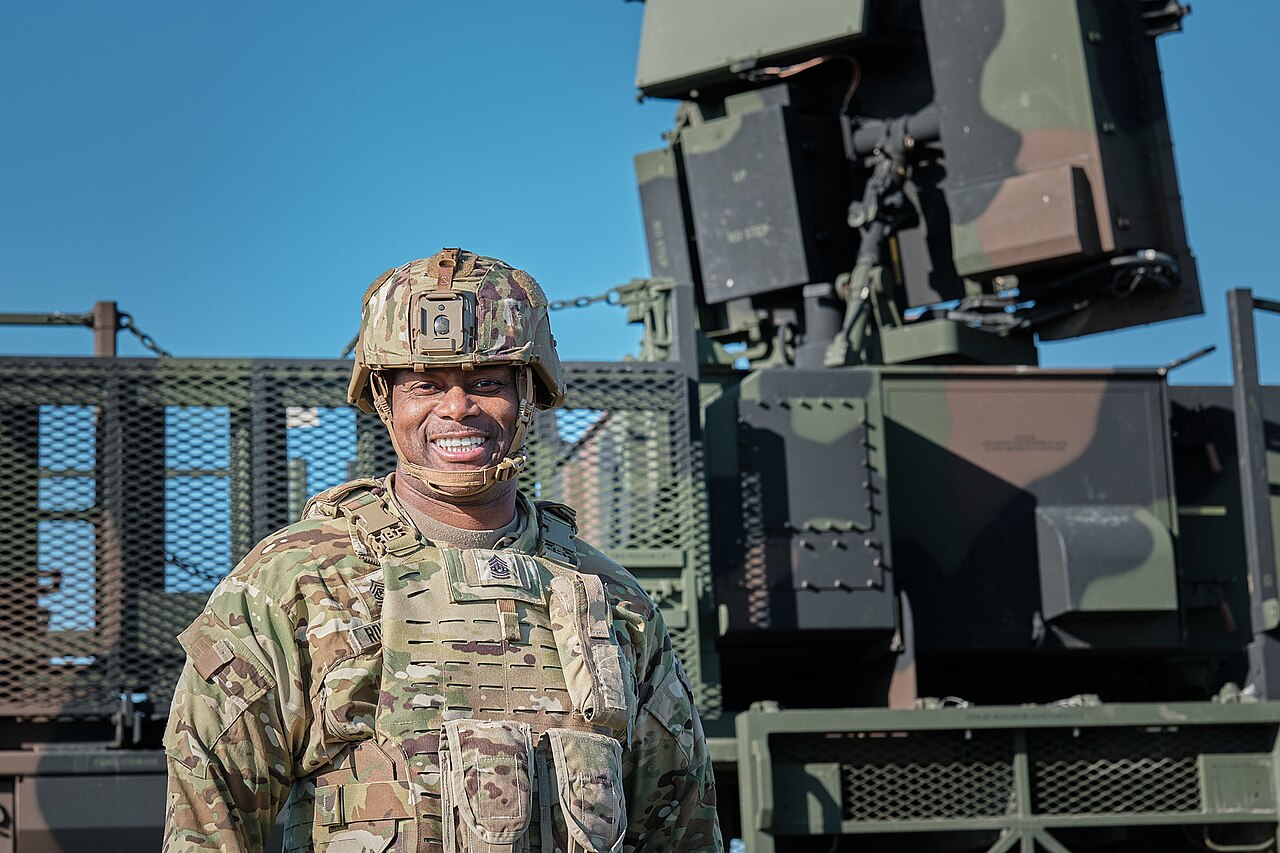
A Sentinel Radar system sits on display during NATO air defense exercises in Romania, file photo. U.S. Army photo by Capt. Leara Shumate · Public domain
Europe just got a report card on Russia. And it is not good.
SVT and 16 other European broadcasters teamed up with the EBU's verification network. They went looking for physical attacks linked to Russia.
They found dozens. Between the start of April and 15 October this year alone.
And they only counted physical stuff. Arson. Drones carrying explosives. Russian bombers flying right up against NATO's border. No cyberattacks. No influence campaigns. No ordinary spying. Just things that physically happened.
So where did most of it happen? Poland. Romania. Latvia. Right along the eastern edge of Europe.
Here's the twist. It's getting worse, and fast.
A separate tracker run by Concentric, called the Everywhere War Tracker, found August this year was the worst month on record. More than double the average of the nine months before it.
And look at sabotage specifically. In July, there was none. Zero. Then from early August to mid-September, sabotage alone made up about ten incidents.
Concentric says that jump is the clearest sign yet that this is escalating.
Using a wider definition, one that also counts joint European and NATO threats, the same tracker logged well over a hundred incidents over the past year. That's more than a third of everything it has recorded since 2022.
So what are European officials actually saying about this?
Sweden isn't holding back. Carl-Johan Edström, who runs the Swedish Armed Forces' Defence Staff, says quote "there is a clear risk that this will spread to other countries in the Baltic Sea region".
Mikael Frisell, who runs Sweden's Civil Defence Agency, says this is not a question of whether attacks will happen, only when, and that Sweden has to get ready for bombings, attacks and sabotage of its infrastructure.
The rest of this story is for members.
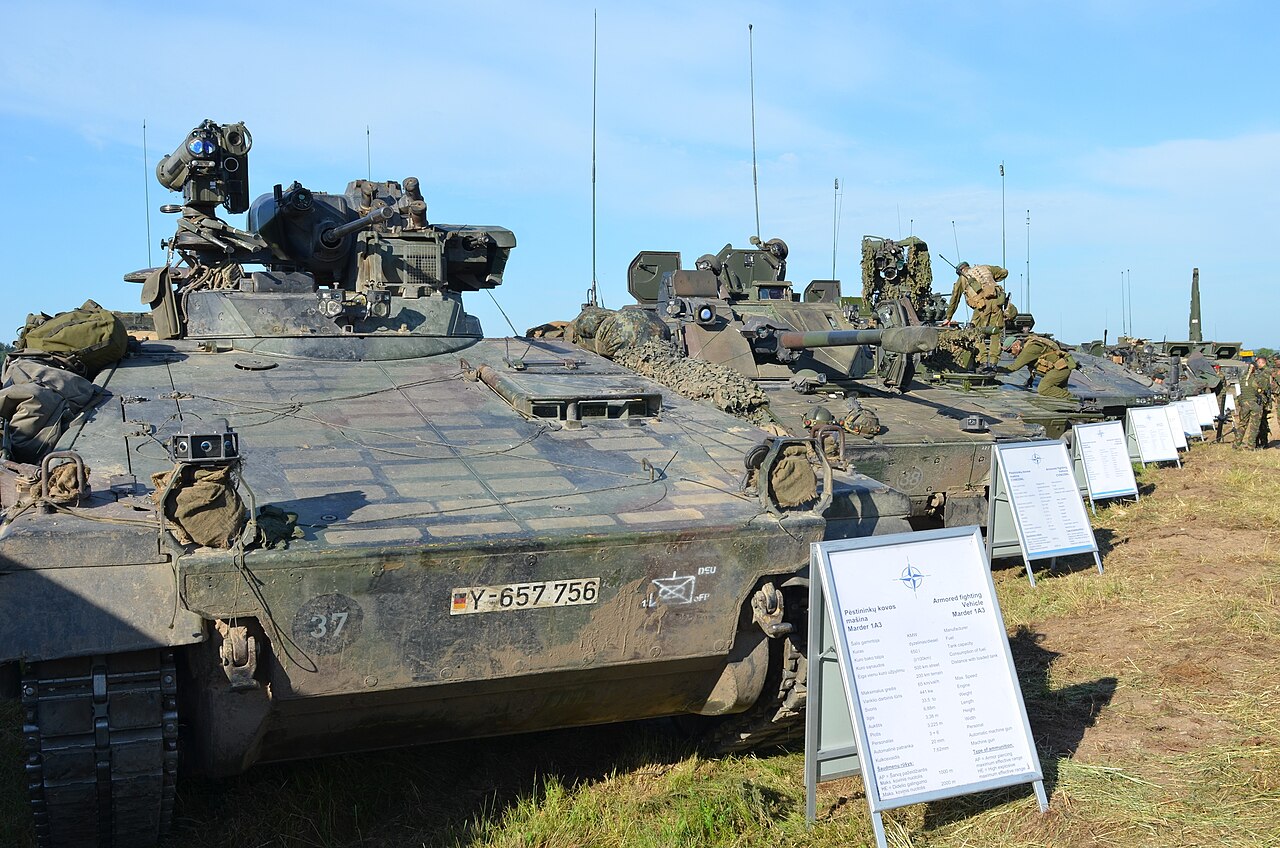
NATO military vehicles cross the Suwalki Gap during combined exercises in Lithuania, file photo. U.S. Army photo by Sgt. Shiloh Capers · Public domain
Magnus Roglert, who heads preparedness at the Swedish police, says the security picture across Europe and the Baltic has changed a lot in recent years.
None of this language is brand new, by the way. A year ago, the same broadcasters and the EBU found suspected Russia-linked cases across 2024 and 2025 too. So the warnings haven't changed. The pace has.
What tactics are we even talking about? The US Congressional Research Service laid it out about ten weeks ago. Sabotage. Assassinations. Airspace violations. GPS jamming. Damage to undersea cables. Cyberattacks. Weaponised migration. Election interference.
That report points to several suspected undersea cable incidents in the Baltic Sea in December and January alone.
And America's own spy agencies agree. The Office of the Director of National Intelligence says Russia's toolkit includes cyberattacks, disinformation, energy market manipulation, military intimidation and sabotage. And it says Russia usually hides what it's doing and denies its role.
Russia, for its part, keeps denying all of this outright.
But here's the part worth slowing down for. The numbers don't all agree with each other.
This investigation counts attacks in the dozens. The Everywhere War Tracker counts well over a hundred. A separate study cited by the US Congressional Research Service puts the four-year total since 2022 higher still.
Responsible Statecraft, a sceptical outlet, points out that depending which report you read, the count for roughly the same campaign swings wildly. And it flags big cases that were once pinned on Russia and later found not to involve Russia at all: a jammed GPS signal on Ursula von der Leyen's plane, a Baltic Sea cable, a courier plane crash near Vilnius, and a fire at Heathrow Airport.
So what do we actually know for sure? More incidents. More sabotage. Mostly along NATO's eastern and northern edge.
What we don't know? Whether Moscow is directing all of it, or just letting separate operations run loose. What the endgame actually is. And how far this goes before a government stops warning and starts hitting back.
Right now, Sweden is the one saying the quiet part out loud. Not if. When.
Nothing here was paid for by an advertiser. Members are the entire business model. Bronze is where it starts, and it opens the last seven days in full.