Russia just got a diesel deal meant to drag Putin back to peace talks
1 hour ago · 13 October 2026Share
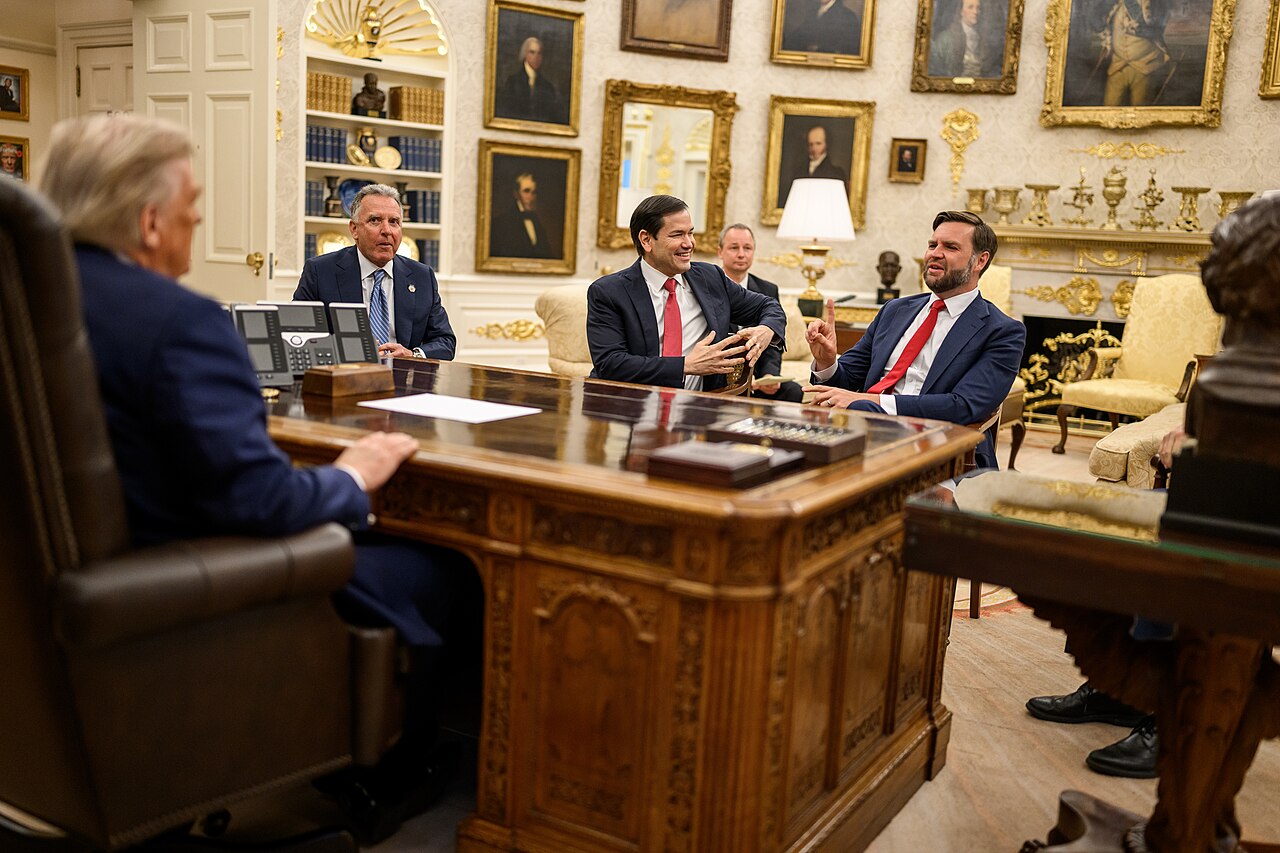
President Donald Trump meets with Special Envoy Steve Witkoff, Secretary of State Marco Rubio, and Vice President JD Vance before a call with Russian President Vladimir Putin, Monday, August 18, 2025, in the Oval Office. The White House · Public domain
Trump's own negotiators just told Ukraine something blunt.
Letting Russia sell diesel to the world isn't really about diesel.
Steve Witkoff runs Middle East talks for Trump. Jared Kushner is Trump's son-in-law. The two of them sat down with Ukrainian officials in Miami four days ago.
Three people who know what was said told Reuters.
And here's the message Witkoff and Kushner gave Ukraine. Putin isn't ready to end this war. So this diesel deal is supposed to change his mind.
A third source told Reuters how the Americans explained it. The deal shows Russia that Trump is willing to deal with them. That's supposed to soften Putin up.
But there's a catch for Ukraine.
Kushner told the Ukrainians straight out: Trump wants them to stop bombing Russian refineries. And this wasn't the first time he'd asked. He said the US had made that request several times already.
One person briefed on the meeting laid out the American thinking. The idea, paraphrased, was that the US could go back to Russia and point to Ukraine's restraint, then ask Russia to do something in return.
So here's the plan. Ukraine stops hitting refineries. Russia gets to sell diesel. And the hope is Putin feels enough goodwill to finally sit down and talk.
Now, the diesel deal itself. Announced nine days ago. Russia will send more than 2.25 million barrels of diesel to US and world markets. The US Treasury issued a temporary licence allowing it, running until April 2027. Trump said Russia would ship over 300,000 tonnes straight away, 500,000 tonnes more in November, and a million tonnes after that.
Trump has defended it publicly. He calls it the right choice for the American people. And he says it'll help bring down US energy prices right before the midterm elections.
Volodymyr Zelensky, Ukraine's president, sees it completely differently. He's called it a weak decision. A gift to Putin. In a separate interview with Axios, he called it a birthday gift to Putin.
Trump hit back days later. He said Zelensky could have ended the war many times already. He said Ukraine needed a new president.
Then Trump announced an energy ceasefire between Russia and Ukraine.
But neither side has actually confirmed it. The very next day, Russia struck energy targets inside Ukraine. Dmitry Peskov, the Kremlin's spokesperson, rejected a separate Zelensky plan for a full 60-day truce.
The rest of this story is for members.
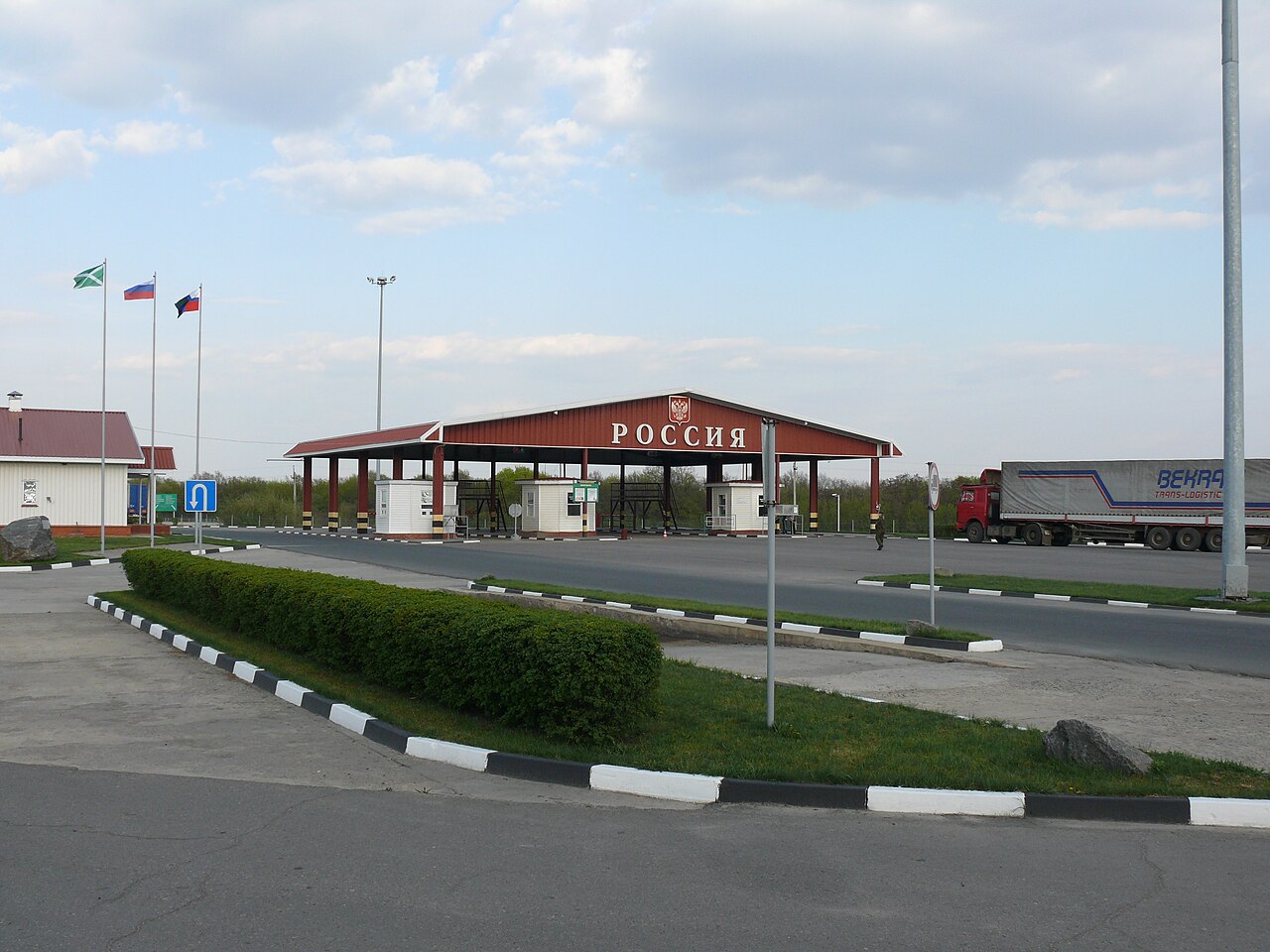
Nekhoteevka customs on Russia-Ukraine border. File photo. Дар Ветер · CC BY-SA 3.0
And Zelensky says Russia had already broken the energy truce before that, pointing to a strike on a power plant in Kharkiv.
A person close to the Kremlin told Reuters the real answer. The diesel deal brings Russia back to the table. But only once Putin gets the remaining 11% of Donbas that Ukraine still holds. Territory he could call a victory back home.
Ukraine has already ruled that out. No more land. But freezing the war along the current front line could be the basis for a deal, it says.
The Ukrainian officials in Miami weren't buying the American approach. They see it as buying Russia's goodwill with business deals instead of pressuring Russia. They left without formally agreeing to anything. But they signalled they'd accept an energy ceasefire, so long as Russia did too.
Witkoff and Kushner reminded the Ukrainians of everything the US has done for them. Military support. Intelligence support. That's according to the Reuters account.
And here's where the story splits.
Reuters says, citing two people briefed and one person in the room, that the Americans never threatened to cut off that support if Ukraine kept striking refineries. Axios reported something different. It said Witkoff and Kushner warned that Ukraine's access to US intelligence could be cut off if the strikes continued.
The Miami meeting was about more than diesel too. European officials were there. World Bank representatives joined virtually. They also talked about Ukraine's reconstruction funds and security guarantees.
This wasn't Witkoff and Kushner's first run at restarting talks either. The pair visited Moscow and Kyiv last month. Witkoff said afterwards that both sides had built new momentum.
And here's what failure looks like on the ground. A day after the diesel deal was announced, a Russian strike on Zaporizhzhia killed at least 20 people. Three of them were children.
Back in Washington, the deal has its own problems. Republican Senator Thom Tillis has questioned whether the sanctions relief is even legal. He says it could break the Graham Act, signed into law last month.
And experts cited by Reuters doubt the deal does what Trump says. They say high fuel prices come from the war's effect on Iran-related oil supply, not Ukraine's refinery strikes. Some say the extra diesel is less than a single day's supply for US transport. It won't move prices much at all.
So the deal sold as a fix for petrol prices might not even do that.
Nothing here was paid for by an advertiser. Members are the entire business model. Bronze is where it starts, and it opens the last seven days in full.