Saudi Arabia just lost control of its own capital's airport
1 hour ago · 13 October 2026Share
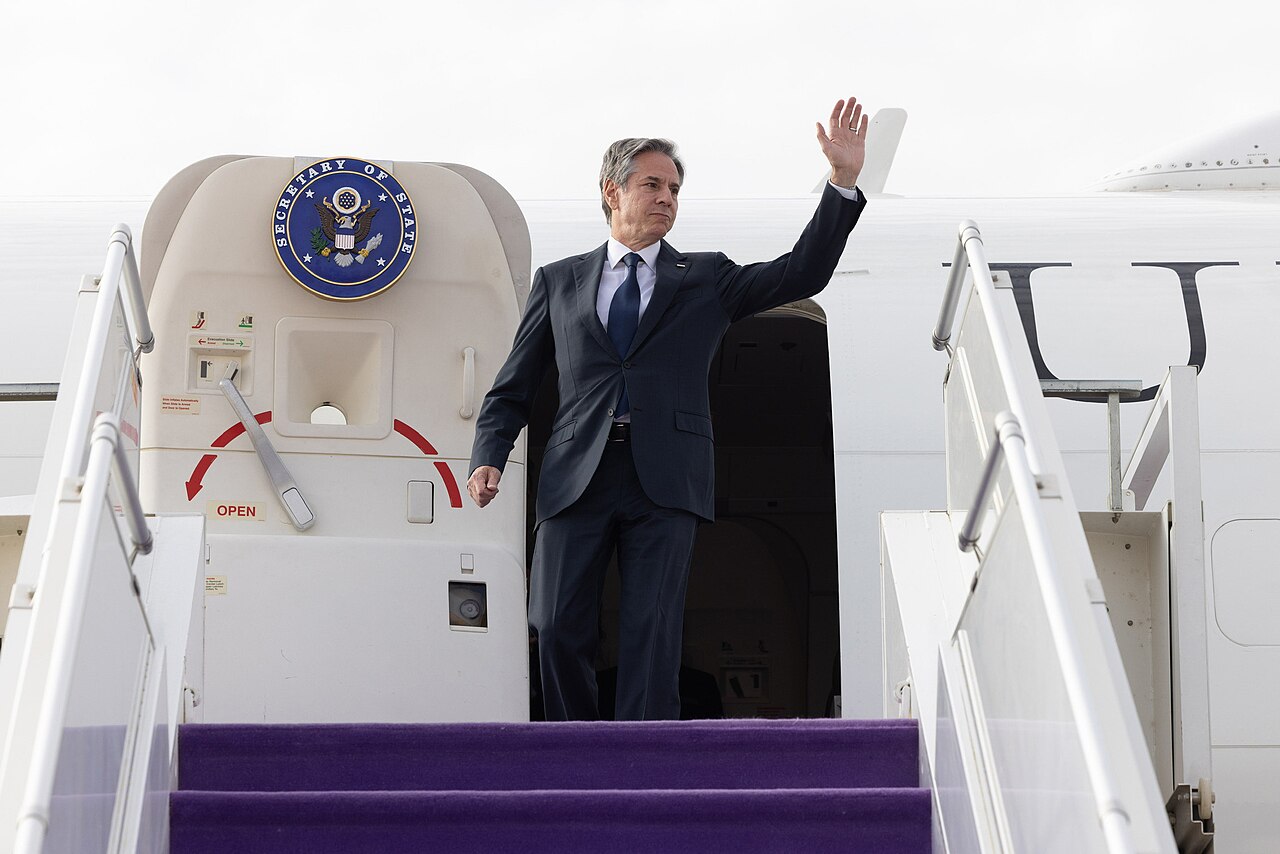
U.S. Secretary of State Antony Blinken arrives at King Khalid International Airport in Riyadh, Saudi Arabia on April 29, 2024. File photo. U.S. Department of State · Public domain
Saudi Arabia just extended the shutdown of its own capital's airport.
King Khalid International in Riyadh stays closed until 9pm GMT on 17 October.
So why does that matter? Because the airlines don't believe it.
Lufthansa is out until 16 October. Air France-KLM is out until the end of the month. Philippine Airlines is out until 29 November. That's six weeks past the date Saudi Arabia itself gave.
Here's how we got here.
A missile attack hit the airport a few days ago. 13 people died. More than 300 were wounded. It's the deadliest attack on Saudi Arabia in more than a decade.
The dead were four Saudis, two Bangladeshis, one American, one Egyptian, one Jordanian, one Syrian, one Palestinian and one Sudanese. An Indian citizen wounded in the strike died later, which is how the toll reached 13.
Then it happened again. A second strike hit Terminal 4 a couple of days ago. One person died, a Pakistani resident. 11 more were hurt.
Saudi Arabia blames Yemen's Houthi movement, which is backed by Iran. The Houthis say they fired a ballistic missile at the airport. A couple of days ago, the Saudi-led coalition said it shot down a different Houthi missile heading for Riyadh, just before the Houthis said they'd already hit the airport. Saudi Arabia has not confirmed that second Houthi claim.
So what does Saudi Arabia say it's doing with the extra time? The Civil Aviation General Authority says it needs to finish safety checks and confirm the airport can actually run again. It has given no date beyond 17 October.
The rest of this story is for members.
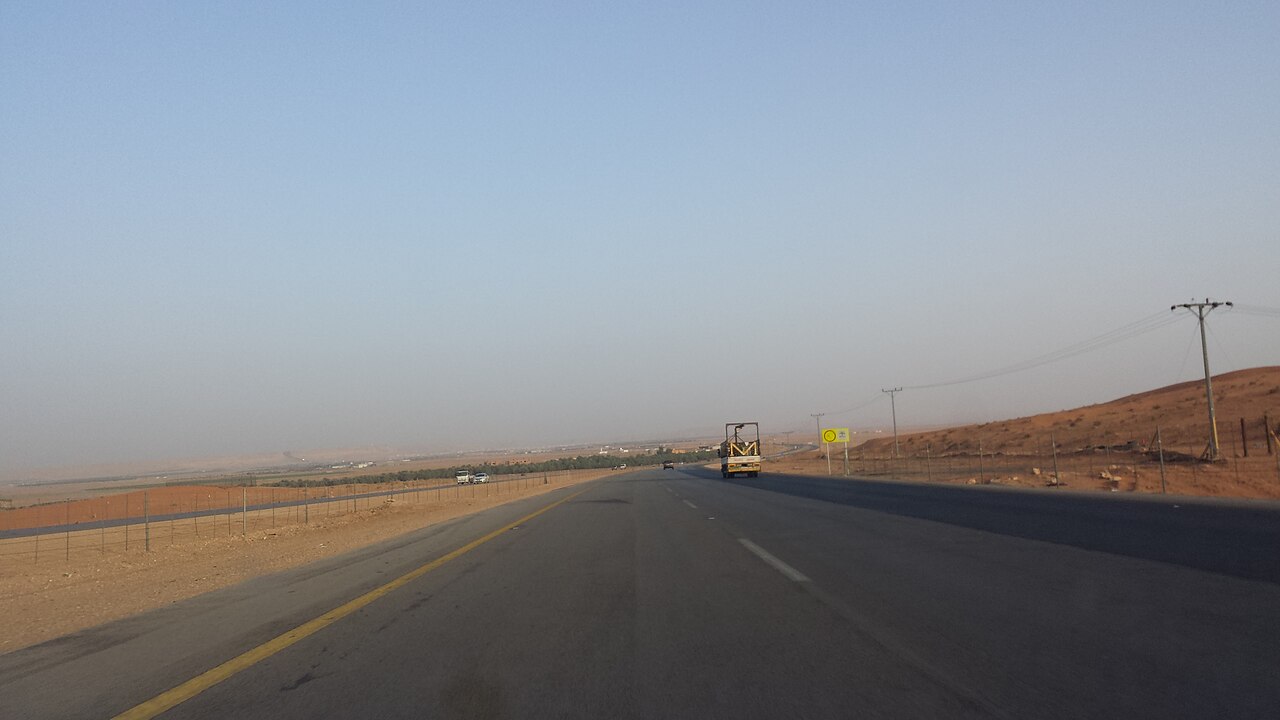
Riyadh Province, Saudi Arabia. File photo. Mahmoud Farrag · CC BY 3.0
And that's the problem. The airlines aren't waiting to find out if that date holds.
Etihad has cancelled Abu Dhabi to Riyadh until 19 October, plus its Jeddah and Dammam routes. Qatar Airways has pulled its Riyadh and Dammam flights, citing what it calls the current situation. Delta was meant to start flying Atlanta to Riyadh on 23 October. That launch is now pushed back to March next year.
This isn't just a Riyadh problem either. Cirium, the aviation data firm, says 46.4 per cent of flights across every Saudi airport have been cancelled. Flightradar24 data shows planes steering around Riyadh, even while flights keep crossing Saudi airspace and landing in Jeddah.
Governments are reacting too. America's aviation regulator told its airlines this weekend to be careful flying to or over Saudi Arabia. Europe's aviation safety body widened its own Saudi airspace warning a few days before that. Britain, America, Canada, Ireland and Germany have all told their citizens to stay away from Riyadh airport.
Mark Zee runs OPSGROUP, an aviation safety advisory group. He says quote "This level of sustained intense attack on civil aviation is unprecedented". His group is telling airlines to skip the whole southern Middle East corridor and fly Europe to Asia over Central Asia instead.
Saudi Arabia is now investigating why its own air defences didn't stop the attack. Two regional officials have told the Associated Press that the Houthis sent drones in first, to clear a path for the missiles behind them.
And the fallout is spreading past the runway. Saudi Arabia's flagship investment conference and the WPC Energy Congress are both due in Riyadh this month. Several senior oil executives have already been dropped from the energy congress programme.
Donald Trump has said he is weighing whether to join the fight against the Houthis.
So will the airport actually reopen on 17 October? Nobody can say for sure. Several airlines have already planned for a longer wait than Saudi Arabia has said in public.
Nothing here was paid for by an advertiser. Members are the entire business model. Bronze is where it starts, and it opens the last seven days in full.