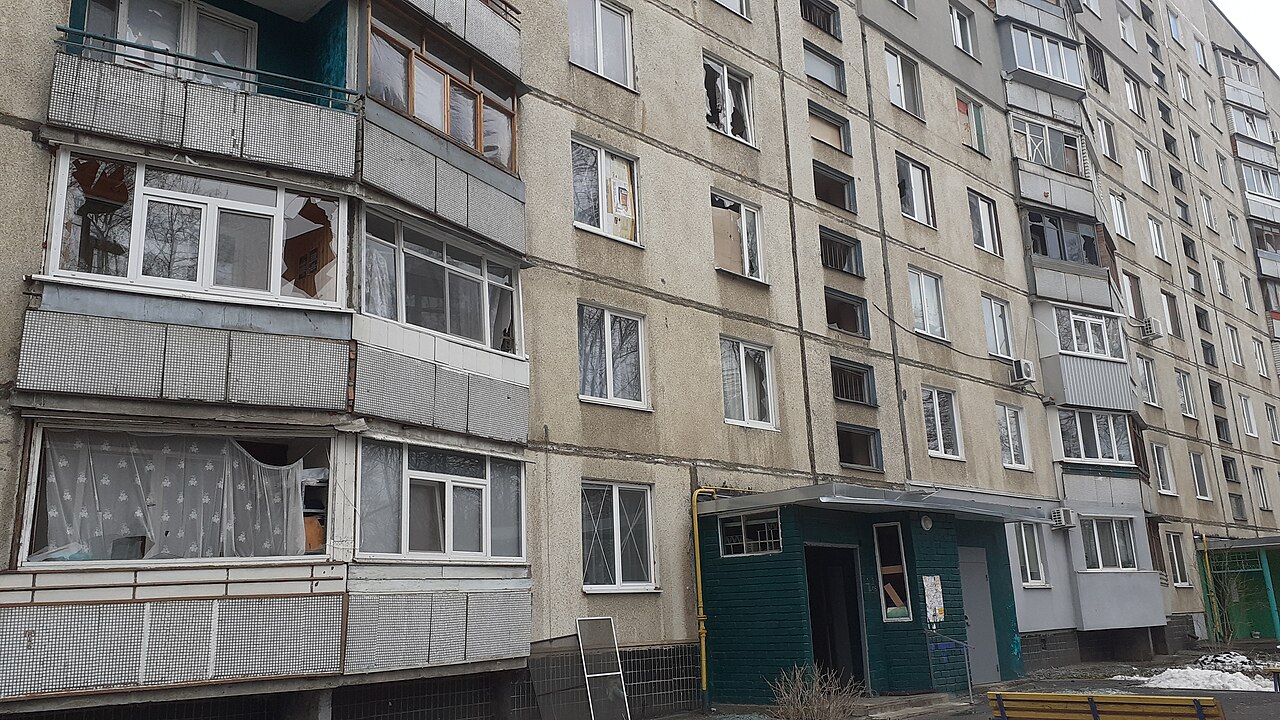
Two boys, 12 and 8, are in hospital. Six more children were treated right at the scene.
That's everything we know.
Why this mattersKharkiv is Ukraine's second-biggest city. And this wasn't a military site. It was where people live.
So here's the timing. Three weeks ago, Vladimir Putin ordered a three-day pause in strikes. It landed right when two American envoys, Steve Witkoff and Jared Kushner, showed up in Kyiv.
The pause didn't hold. Strikes kept coming for weeks after. People kept getting pushed into shelters. Homes, offices, buildings, all getting hit.
And the toll keeps stacking up. Three days ago, strikes on Kyiv killed eight people and hurt 59, according to Mayor Vitali Klitschko. One day before this strike, attacks across the whole country killed eight people, including a 16-year-old girl killed at a children's centre in Sumy.
And that number kept climbing all morning too. It went from 9, to 16, to 20, to 22, to 24, to 25 as rescue crews dug through the building.
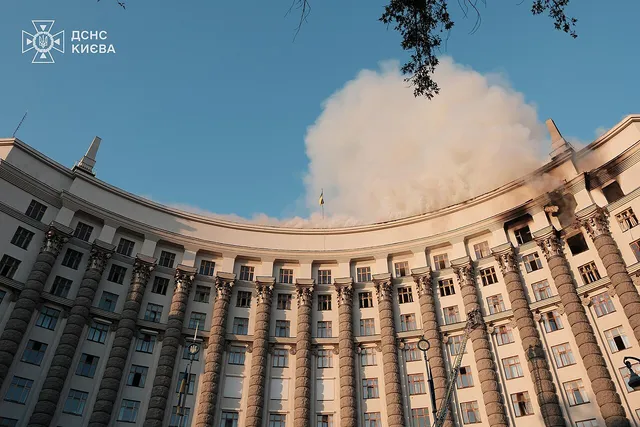
Russia hit Kyiv too. Four people hurt, buildings damaged in four districts. Two more people hurt in Odesa.
So this isn't one bad night. It's the same pattern, just the newest entry.
Sergey Lavrov is Russia's Foreign Minister. Two days ago he told the UN General Assembly that Russia plans to keep its military campaign going to the end.
Russia hasn't explained the Kharkiv strike itself. Its Ministry of Defence has only said it bombed a data centre and a telecoms site in Kyiv, calling them military targets. That line from Lavrov is about the closest thing to an answer anyone's given.
Here's what we still don't know. Whether anyone died inside that building. How many people are still unaccounted for. How bad the structural damage really is.
Crews are still working the site right now. Nobody knows yet how high that number goes.