And a few hours later, Russia's foreign minister stepped in and asked him to say yes to a different deal instead.
His own deal.
Sergey Lavrov spoke a few hours ago in New York, on the sidelines of the UN General Assembly. His message was simple. Go back to the agreement Trump already signed in June.
Sergey Lavrov says quote "a fair deal, an honest deal".
Then he asked why not just return to it.
So that's Russia, in public, telling Trump his own June deal was the right one. And telling him rejecting Iran's new offer might be the wrong call.
So what did Trump actually turn down?
Two days ago, Iran's foreign minister, Abbas Araghchi, put a seven-day plan on the table at the UN. Sent formally to the US through Qatar.
Here's what was in it. The US lifts its naval blockade on Iranian ports. The US waives sanctions on Iranian oil. Iran gets back around $12 billion in frozen money. And there's a ceasefire across the wider region, including Lebanon and Yemen.
In return, Iran reopens the Strait of Hormuz. Within seven days.
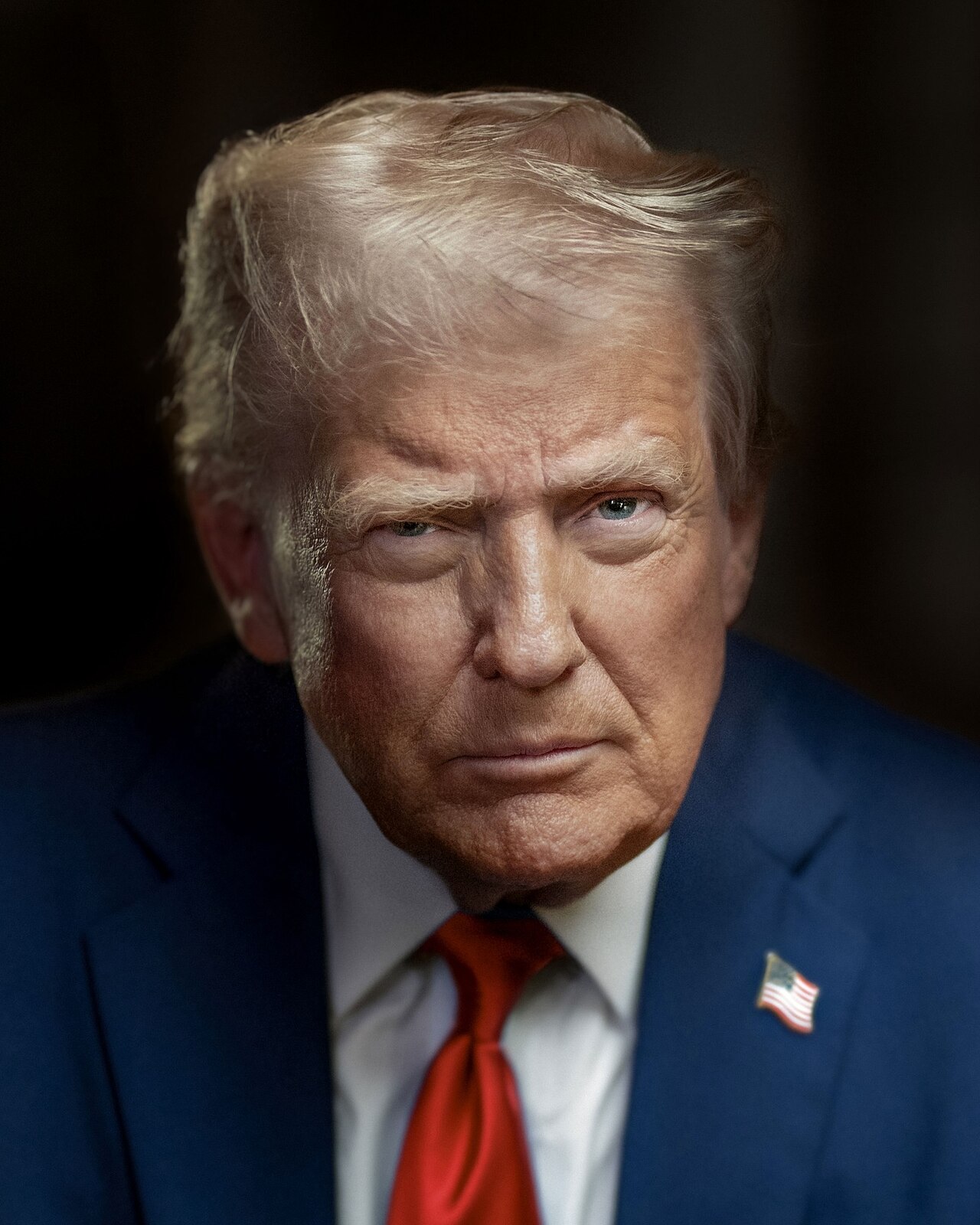
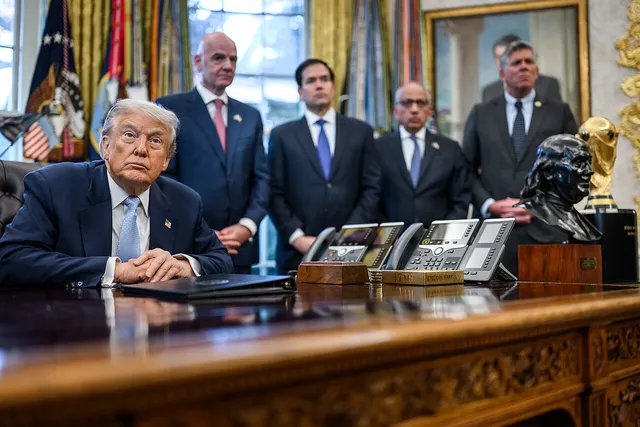
He told reporters as he left the White House earlier today that he rejects the proposal. He said Iran wants a deal right now because it is losing badly.
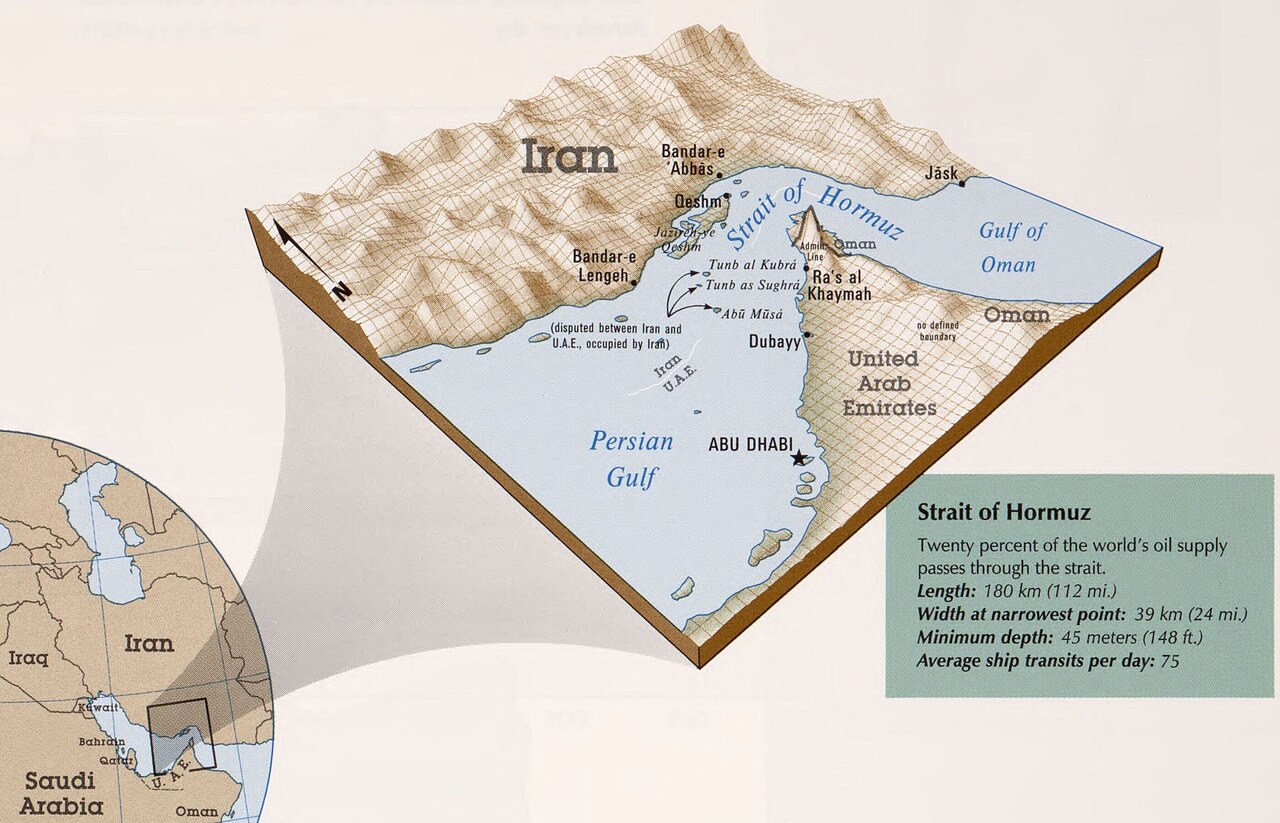
Iran has kept that strait closed since the war with the US and Israel started on 28 February. Before that, about a fifth of the world's oil moved through it.
The rest of this story is for members.
Map of the Strait of Hormuz and the Middle East showing the strategic waterway at the entrance to the Persian Gulf. File photo. United States. Central Intelligence Agency · Public domain
Trump posted a picture on Truth Social today. It shows the strait relabelled the "Trump Strait".
And here's something Trump isn't saying in public. The Wall Street Journal reports he privately told aides he expects a new bombing campaign against Iran once the November midterm elections are done.
A US official says talks through mediators are positive and constructive. But Washington isn't rushing. Why? Because nearly 40 million barrels of oil have still moved through the strait in the last 48 hours, standoff or not.
Now the background. The deal Lavrov wants everyone to return to was signed on 17 June. Trump and Iran's President, Masoud Pezeshkian, signed it. Pakistan brokered it. It gave both sides 60 days to work out final terms.
It collapsed within days. Both sides went straight back to attacking each other.
Iran's president says that's exactly why nothing has moved since.
Masoud Pezeshkian told Al Jazeera earlier today that Iran no longer trusts talks with the US at all.
Masoud Pezeshkian says quote "we have no trust in the American side".
He also pushed back on the idea that Iran is to blame for the strait being shut. He said the US closed the routes first, and Iran's closure was just a natural response.
Abbas Araghchi said something similar two days ago. Iran will not give up its sovereign rights, whatever the pressure. He said the choice now sits with Washington.
And after Trump's rejection came out, Araghchi said something else. Iran has only seen Trump's initial reaction so far. Not a formal answer through the mediators. Iran is waiting for that before deciding what comes next.
So here's the sequence. Iran offers a deal. Trump rejects it, in public, walking out of the White House. And within hours, it's Russia, not Iran, publicly asking Trump to go back to his own terms.
What we don't know: whether Trump is shutting the door for good, or just setting a tougher opening position before the real answer comes back. Whether Russia genuinely wants peace here, or wants to box Trump in politically. And whether Iran sees Lavrov's move as backing, or as another power pushing it toward a worse deal than the one it just offered.
Nothing here was paid for by an advertiser. Members are the entire business model. Bronze is where it starts, and it opens the last seven days in full.