Iraq just watched America walk away and Iran is already celebrating
2 days ago · 29 September 2026Share
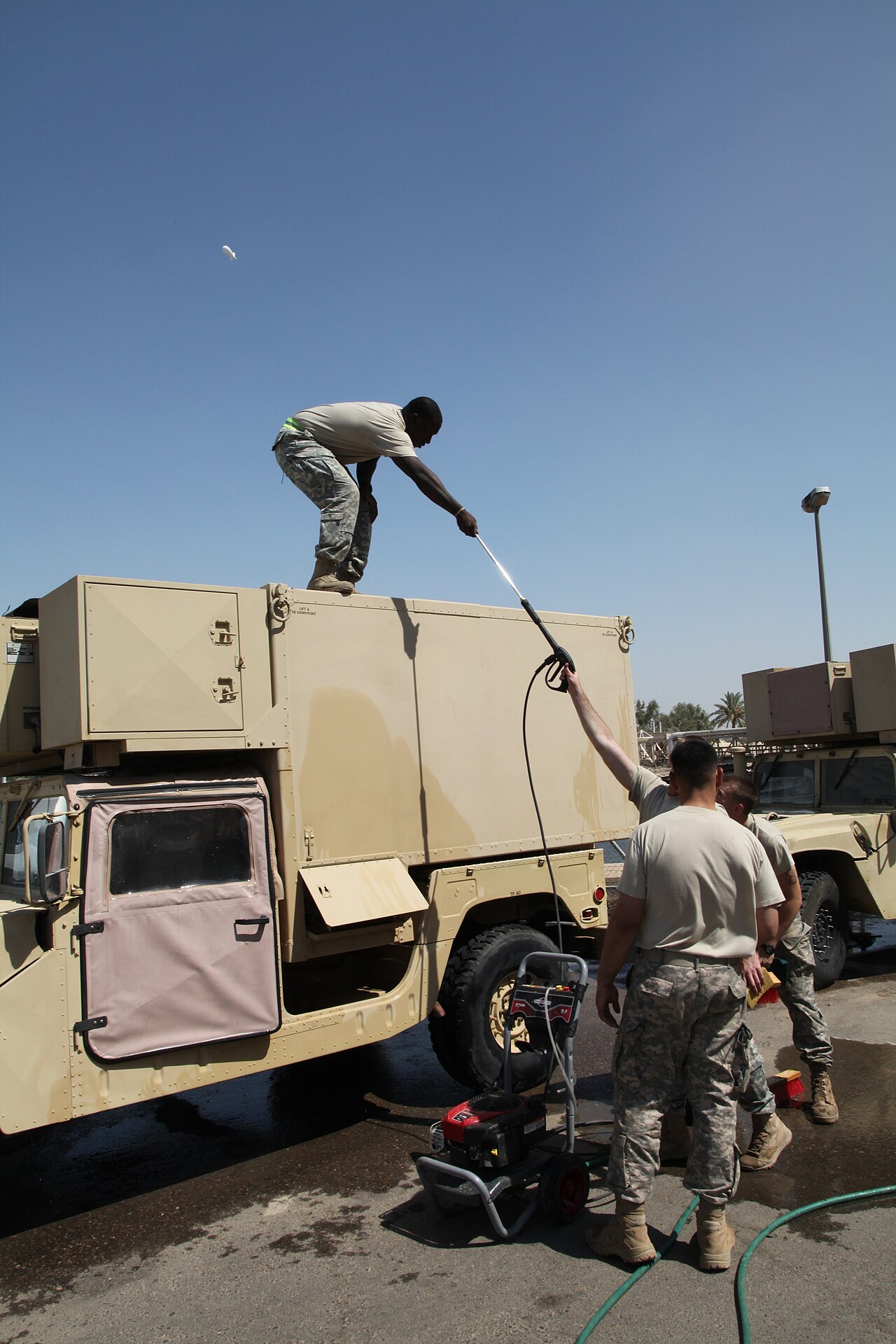
U.S. Army soldiers clean and prepare vehicles and equipment at Al-Faw Palace on Victory Base Complex in Baghdad, Iraq, in September 2011 as part of the drawdown in support of Operation New Dawn. File photo. Sgt. 1st Class Matthew Friberg · Public domain
America's troops just left their last bases in Iraq.
Twenty-three years after they first invaded.
Lt Gen Abdul Amir Al-Shammari runs the office of Iraq's commander-in-chief. He says Victory military base, right by Baghdad's airport, is now completely empty of US troops. It was one of America's last big bases in the country.
Iraq's government says the whole withdrawal will be complete in the next few days.
So who paid for this war? More than 4,500 Americans died over those two decades. It started with the 2003 invasion.
And here's the political twist. Joe Biden's government agreed to this pullout back in 2024. Donald Trump's government is the one actually doing it.
Baghdad is throwing a party. It's declared a three-day public holiday starting soon. They're calling it Sovereignty Day.
But two groups are watching this gap open up, and neither of them is friendly to Washington.
First, Iran. Jasim al-Bahadli is an Iraqi security analyst who studies Iran-backed Shia armed groups. He says Tehran benefits straight away, because the coalition leaving removes the one counterweight to Iran's influence in Iraq.
Abu Mojtaba al-Yasiri commands part of the Iran-backed Islamic Resistance in Iraq. He's calling this a historic victory for Iraq's resistance groups. He told Reuters, says quote "we will celebrate the turning of a black page in Iraq's history".
Washington already blames Iran-backed militias in Iraq for attacks on neighbouring countries, sent on Tehran's orders. One of them hit a major Saudi oil pipeline earlier this month.
Second, Islamic State.
Iraqi security forces say a suspected Islamic State cell was planning suicide attacks timed to the exact moment of the pullout. Four Iraqi security and army officials confirmed it.
The rest of this story is for members.
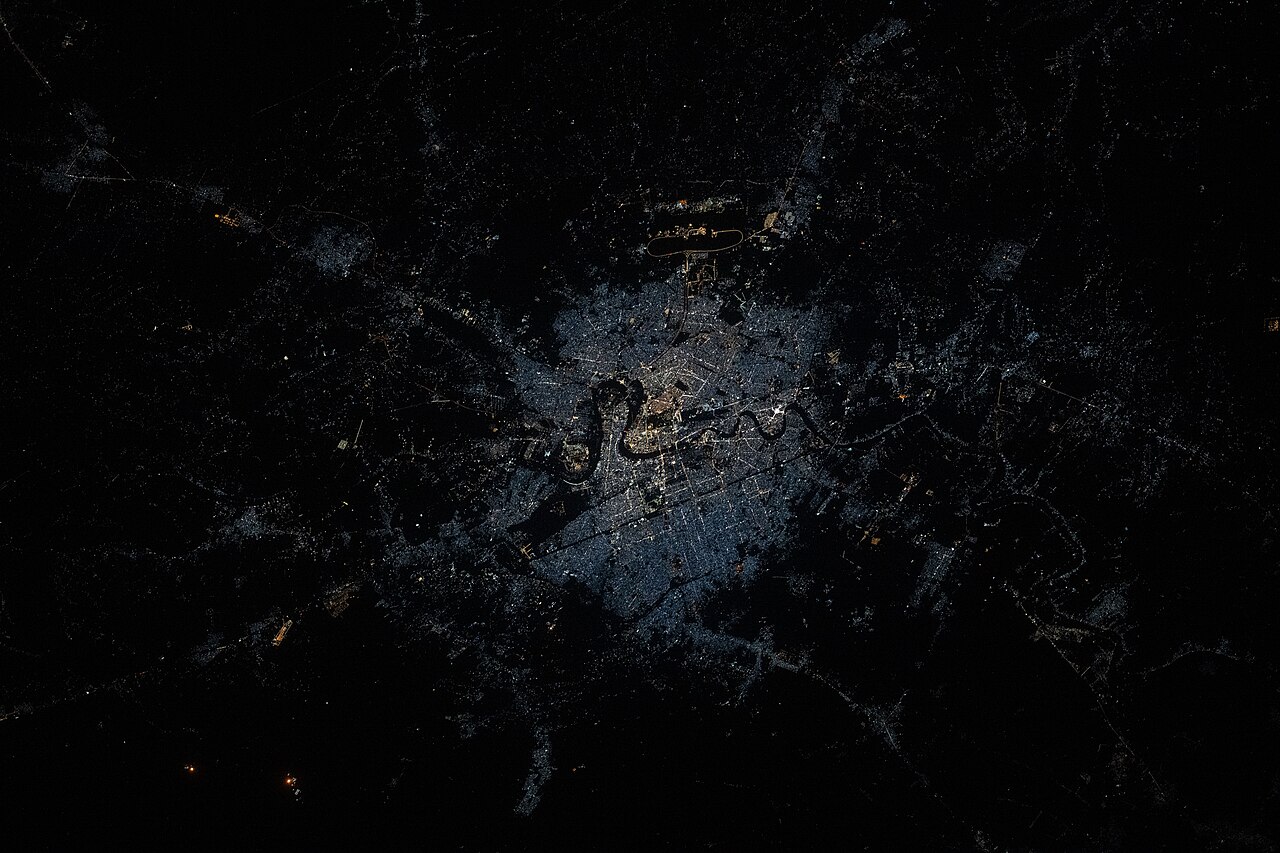
Contains NASA International Space Station imagery showing Baghdad split by the Tigris River with the dark oval of Baghdad International Airport visible toward the top. NASA Johnson Space Center · Public domain
Colonel Khalid al-Bayati is a senior security official in Kirkuk. He says Islamic State is trying to prove it's still powerful and can still launch bloody attacks.
Sirwan Barzani is a Kurdish commander. He says Islamic State sleeper cells have been more active over the past two weeks, since the withdrawal was announced. He says it's boosted their fighters' morale.
Now, this has happened before.
US troops left Iraq at the end of 2011. Less than three years later, Islamic State swept across northern Iraq. America had to send troops straight back in. That war ran from 2014 to 2017.
And the danger never really stopped. In this year's war between America and Iran, seven of the eighteen American troops killed died in Iraq. The last one was an army sergeant, killed a few months ago, when a drone was being deliberately destroyed at a base near Erbil.
Abdulrahman al-Zobaie is a Sunni tribal leader in Fallujah, once a centre of anti-American resistance. He told Reuters, says quote "we believe Iraq is still not fully ready to take over the security file". He says every Iraqi wants full sovereignty, but leaving this way risks a vacuum that every Iraqi fears.
Not everyone agrees with him.
Some political figures aligned with Iraq's Coordination Framework are welcoming this as sovereignty finally restored. Amir Hayat Moqaddam sits on the National Security Commission of Iran's parliament. He told Iran's own parliamentary news service that lasting security will now prevail in Iraq.
Iraq's Prime Minister, Ali al-Zaidi, wants something in return. He's tied the withdrawal to a demand that armed groups outside the state hand over their weapons. Several powerful militias have already said they won't.
Masrour Barzani is the Prime Minister of the Kurdistan Region. He calls the withdrawal shameful. He says it leaves Washington's Kurdish allies with no protection. He told the Financial Times the timing couldn't be worse, given how turbulent the region already is.
Donald Trump signalled this was coming a couple of months ago. He told Ali al-Zaidi, during a visit to Washington, that the US no longer thought it needed troops in Iraq.
So what don't we know? Whether Iraq's own forces can actually hold Islamic State back. Whether Washington quietly keeps some intelligence people behind. And how fast Iran fills the space it's just been handed.
Here's what we do know. A base that once housed thousands of American troops, right next to Baghdad's airport, now has none.
Nothing here was paid for by an advertiser. Members are the entire business model. Bronze is where it starts, and it opens the last seven days in full.