Iran just threatened to shut down every oil exporter in the Gulf
2 days ago · 29 September 2026Share
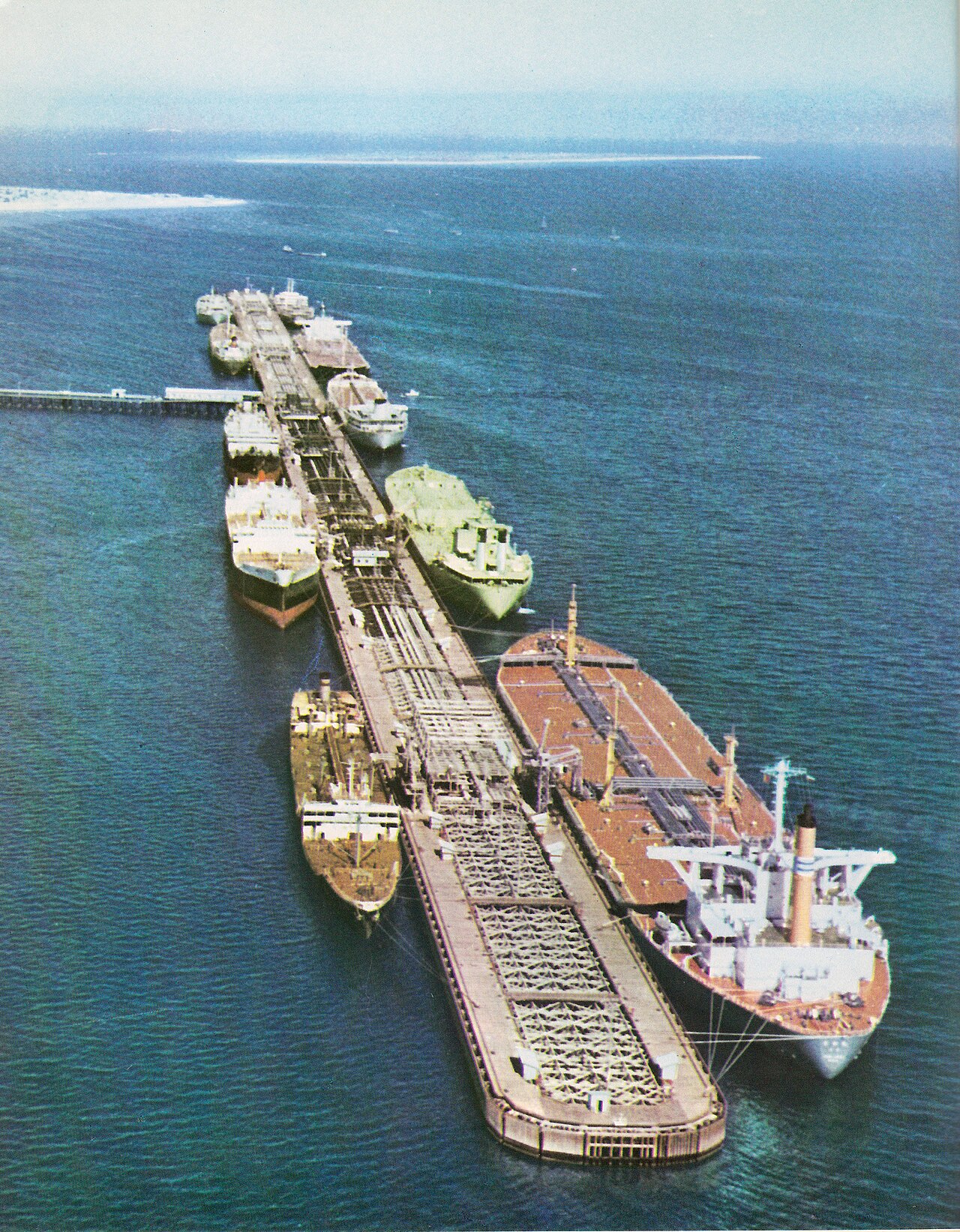
Large tankers loading at Kharg Terminal in the Persian Gulf. National Iranian Oil Company · Public domain
Iran's Parliament Speaker just repeated a warning he's already made four times since July.
His message: if Iran can't sell its oil, nobody in the region gets to sell theirs either.
Mohammad Baqer Qalibaf said it a few hours ago, in an online session of Iran's parliament. The session was marking the anniversary of Hezbollah leader Hassan Nasrallah's death.
He said no country in the region could export oil if Iran's exports stay blocked. And he said no regional infrastructure would be safe if Iran had no security.
Here's the thing though. He's said this before.
He first posted almost the same warning on X two months ago, in July. He repeated it again in late August. Three weeks ago he threatened American oil and gas assets in the region too, after the US Defence Secretary Pete Hegseth warned Iran over tanker attacks. Even Borna News, an Iranian state outlet, called today's remarks a repeat of a long-standing warning, not a new one.
So why does the timing look so dramatic?
Because a day before Qalibaf spoke, President Donald Trump turned down a proposal from Iran to reopen the Strait of Hormuz within seven days. Iran's offer was in exchange for the US lifting its naval blockade and easing military pressure. Trump said no.
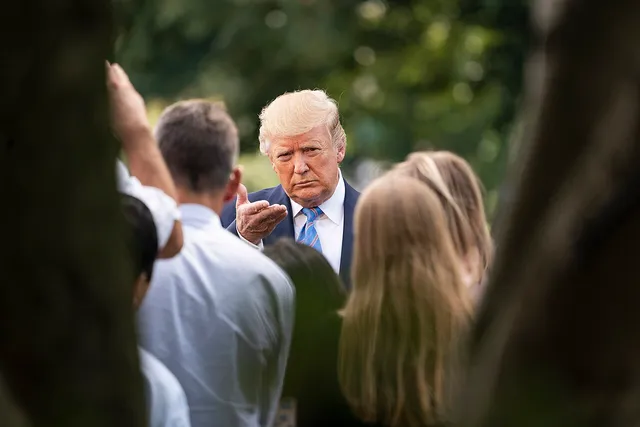
Donald Trump told reporters that Iran had made a proposal and he had rejected it. He said he still expects talks to resume this week. And the Wall Street Journal has reported that Trump has told aides he expects US strikes on Iran to resume after November's midterm elections.
The rest of this story is for members.
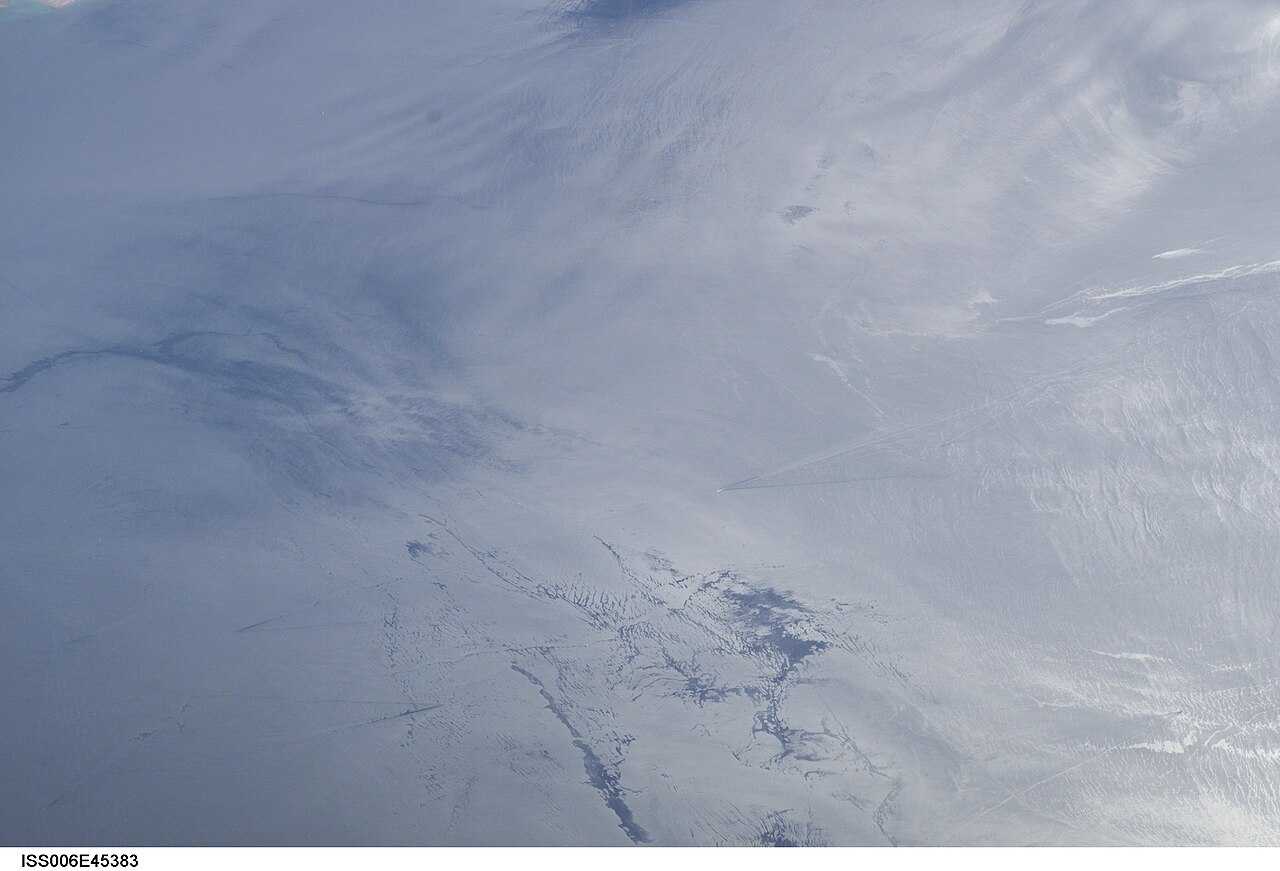
View of the Persian Gulf taken during ISS Expedition 6. File photo. Earth Science and Remote Sensing Unit , Lyndon B. Johnson Space Center · Public domain
So the US has already answered Iran on Hormuz. It said no. Qalibaf's warning came after that, not before it.
Qatar and Pakistan have been passing messages between Washington and Tehran the whole time. Iran's Foreign Minister, Abbas Araghchi, is waiting on a fuller US response through the Qatari mediators. Araghchi has said Iran will not give up its sovereign rights despite pressure and threats.
Now the numbers. Brent crude was trading at about $107 a barrel earlier today. US West Texas Intermediate crude was at about $94. Both are up, on worries the war keeps dragging on. Before the war, about a quarter of the world's seaborne oil trade passed through the Strait of Hormuz. So did a fifth of the world's liquefied natural gas.
But oil is still moving anyway.
Middle Eastern producers pushed crude exports up to about 12.8 million barrels a day this month. That's the highest since February. Saudi Arabia and the UAE are shipping more. Saudi Arabia has also fixed its East-West pipeline, back running at around 3.5 million barrels a day, after a drone strike damaged it earlier this month.
This war goes back seven months. The US and Israel launched air strikes on Iran in February. Iran responded by blocking shipping through the strait. A ceasefire agreement in June lifted that blockade. It broke down in July, after Iran struck three commercial vessels.
So what's missing from Qalibaf's warning? Any sign Iran is about to act on it.
He's said the same thing four times since July without doing anything different. Nobody has confirmed a fresh, hard deadline expiring today, separate from Trump's rejection the day before. And no Gulf state has responded to the remarks at all. Not Saudi Arabia, not the UAE, not Qatar, not Oman — and every one of them would lose their own oil exports too, if Iran meant this literally.
So right now, this is a warning Iran has made before. Aimed at a rejection that had already happened.
Nothing here was paid for by an advertiser. Members are the entire business model. Bronze is where it starts, and it opens the last seven days in full.