Iran just offered America an exit and Trump is waiting to bomb again
5 days ago · 26 September 2026Share
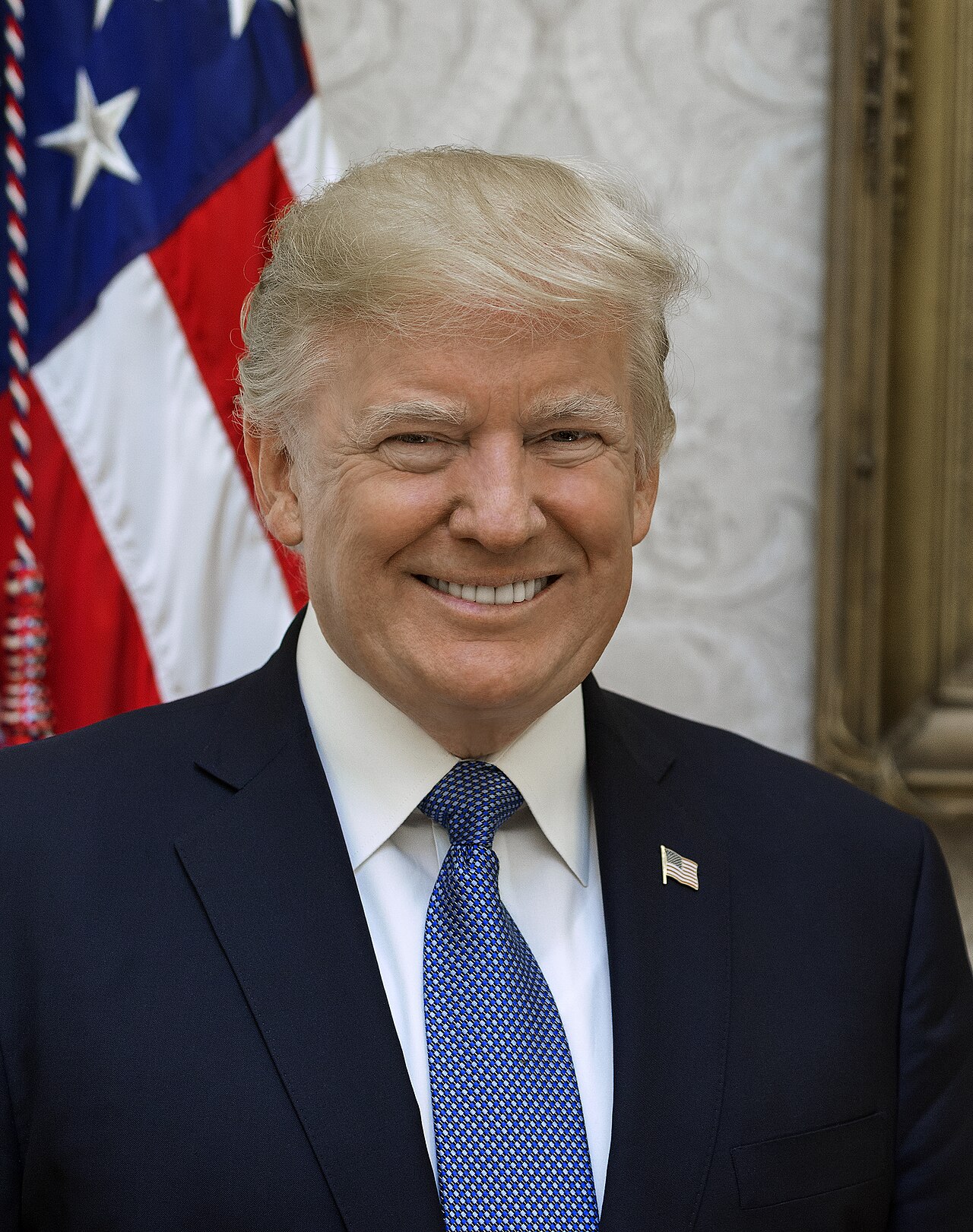
President Donald Trump poses for his official portrait at The White House, in Washington, D.C., on Friday, October 6, 2017. File photo. Shealeah Craighead · Public domain
Donald Trump just said no to Iran's seven-day plan.
Iran offered to reopen the Strait of Hormuz in a week. Trump turned it down.
And he told his own aides something bigger. He expects to start bombing Iran again once the midterm elections are over.
That's according to the Wall Street Journal, citing US officials who know his private thinking. Trump himself hasn't said this on the record. Neither has the White House.
So here's the offer he rejected. Abbas Araghchi, Iran's Foreign Minister, laid it out at the United Nations in New York a day or two ago. Four to five days of initial steps. The Strait reopens on day six. Talks on a final deal, including Iran's nuclear programme, start on day seven.
In return, Iran wants a lot. The US lifts its naval blockade on Iranian ports. Sanctions on Iranian oil get waived. About $12 billion in frozen Iranian assets get released. And a regional ceasefire covers Lebanon and Yemen too, not just Iran.
Araghchi says quote "it would be much better if it is done before the midterm election". He says Iran itself is in no hurry.
So Iran is naming America's own election as the reason to move fast. And in the same breath, saying it doesn't need to.
Washington's answer came through a White House official, who told the Financial Times that the US is in a strong position with control of the Strait, so it is not in a rush. The same official said nearly 22 million barrels of oil left the Strait the night before Araghchi even spoke.
So Washington's message is simple. The blockade is already working. Time is on the side already in control.
But other officials are saying something softer, in public. A separate White House official told CNN the two sides are having positive and constructive discussions through the mediators. A US official told Reuters the same thing, and said nuclear issues are still on the table.
The rest of this story is for members.
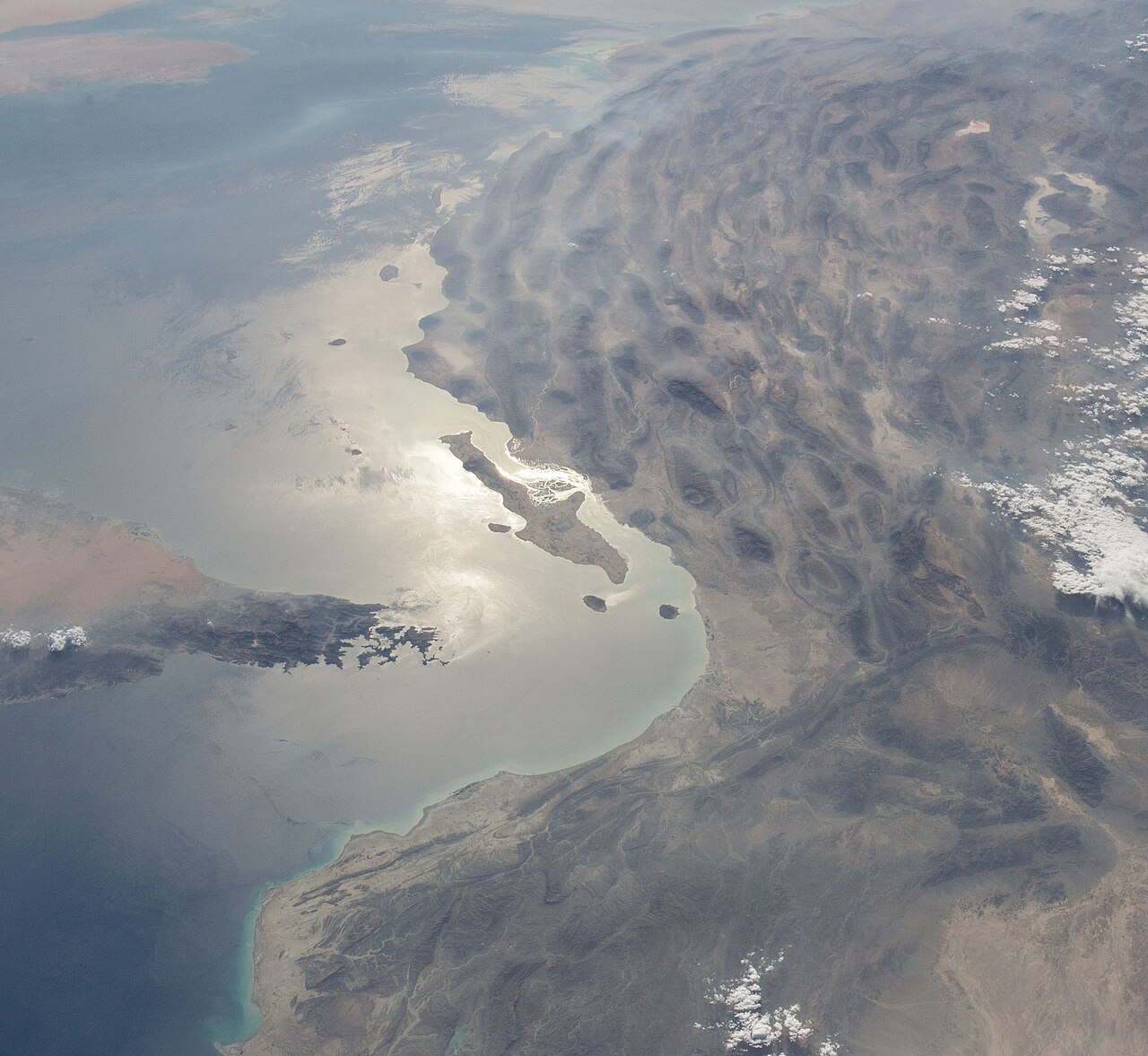
Contains modified NASA Earth Observatory imagery showing the Strait of Hormuz, Musandam Peninsula, Qeshm Island, and Persian Gulf region. File photo.Earth Science and Remote Sensing Unit , Lyndon B. Johnson Space Center · Public domain
Here's the thing. Neither of those comments confirms Trump rejected the plan. Neither mentions bombing again. That's only in the Wall Street Journal's reporting.
So what is Trump actually thinking? According to the same officials, he doubts Iran will really meet his demands on its nuclear programme — even while saying in public that Tehran wants a deal. And he's in no rush to restart big combat operations either. Partly, they say, because the US wants to keep its remaining weapons stock for other fights that might come.
The scale of any new strikes isn't decided. And his position could still change.
Iran isn't budging either. A senior Iranian official told Reuters that Iran will not compromise on its nuclear programme, plan or no plan. Masoud Pezeshkian, Iran's President, told Fox News that ending the war is now on Washington. He says quote "It's America that must choose whether it wants to end this or not".
And this isn't the first time Trump has tied the war to the election calendar. Two and a half weeks ago he told reporters the war would end immediately after the election, and accused Iran of stalling for a friendlier moment in Washington.
So how did we get here? The war is seven months old. It started at the end of February, when US and Israeli strikes killed Iran's supreme leader and other senior officials. Iran hit back — at Israel, at US bases, and by shutting the Strait of Hormuz.
A ceasefire followed in June, called the Islamabad Memorandum. It gave both sides 60 days to work out final terms. That collapsed in July, after attacks from both sides, and Trump called the whole deal over.
Iran's new offer went through Qatar, the mediator that's been in this from the start. Araghchi met Steve Witkoff, Trump's envoy, on the sidelines of the UN meeting a few days ago. Qatar's foreign minister also spoke separately with Pezeshkian about restarting talks.
Cyrus Schayegh, an analyst at the Geneva Graduate Institute, sums up the standoff like this: basically nothing has really changed. His read is that Iran wants to keep the leverage it's built up during the war. Washington is resisting a return to June's terms.
So what don't we know? Whether Trump means sustained bombing or something smaller. What any campaign would actually target. Whether he'd go to Congress first. And, on the record, whether he's even rejected the seven-day plan at all.
Either way, both sides are circling the same date. Iran says a deal before the midterms would be better. Trump, according to his own officials, is already planning for what comes after them.
Nothing here was paid for by an advertiser. Members are the entire business model. Bronze is where it starts, and it opens the last seven days in full.